x





The UAE has several historic missions planned for 2023, the busiest year in the space sector to date.
On February 27, Emirati astronaut Sultan Al Neyadi is scheduled to travel to the ISS on board a SpaceX rocket for a six-month mission.
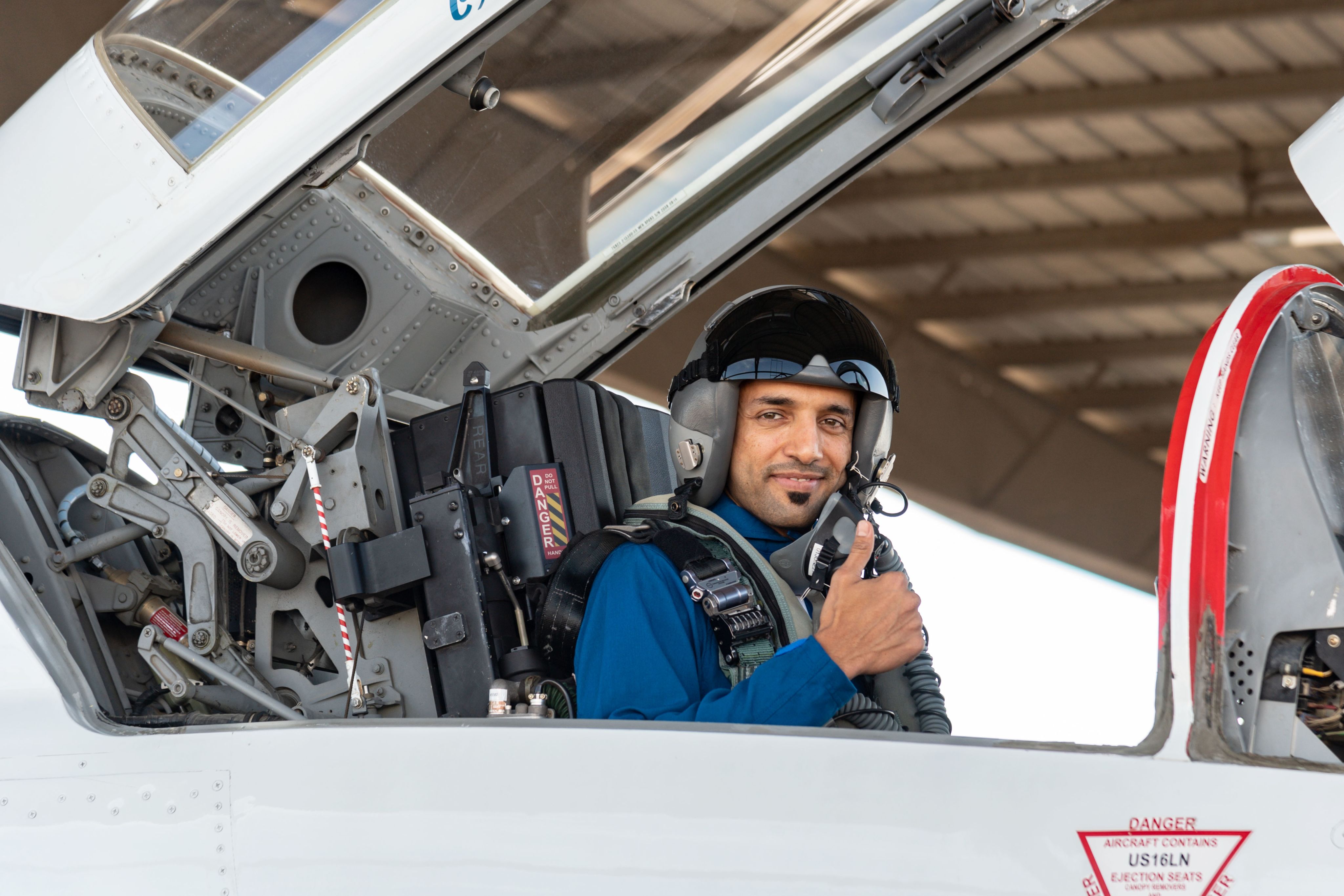
Sultan Al Neyadi in T-38 training at Nasa's Ellington Field in Texas in 2021. Photo: Norah Moran.
The trip means young people around the world will have access to Arabic-language content about space, created by an Arab astronaut.
Dr Al Neyadi and Maj Al Mansouri have each completed about five years of training in the US, Russia and Japan, as well as parts of Europe and Canada.
Nora Al Matroushi – the first female Emirati astronaut – and Mohammad Al Mulla will complete their basic training with Nasa this year.
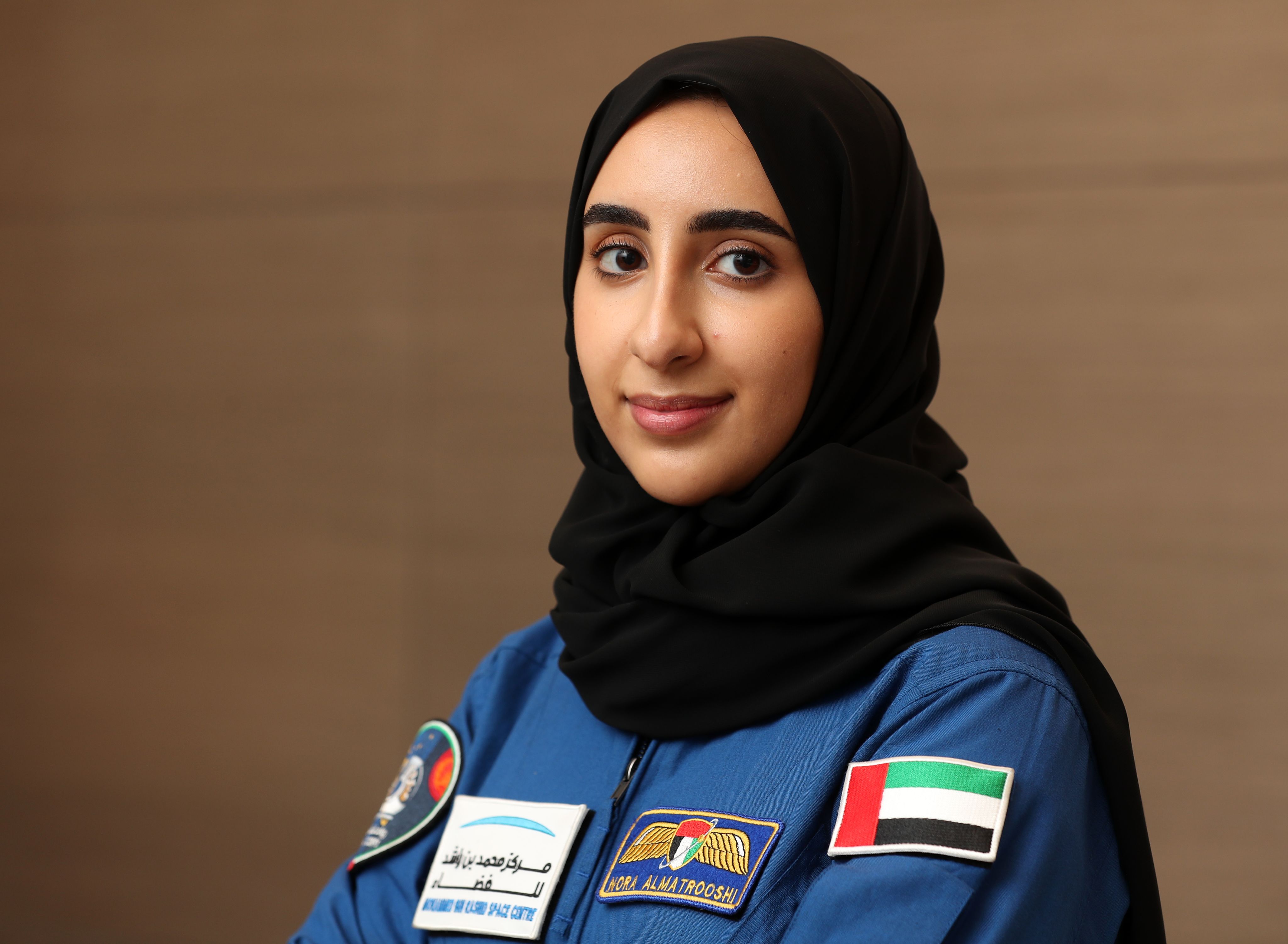
Nora Al Matrooshi is the UAE's first female astronaut. Chris Whiteoak / The National
Missions to the ISS and the UAE’s growing partnership with Nasa and US private space companies have paved the way for the Emirates' more ambitious plans: sending an astronaut to the Moon and, eventually, Mars.
The UAE has announced plans to build a city on the Red Planet by 2117.
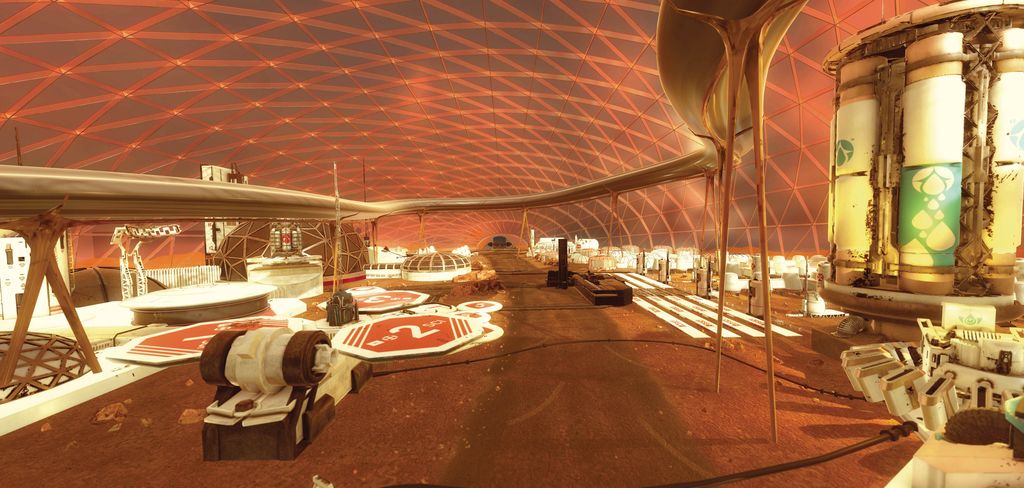
A rendering of a UAE-built colony on Mars. Wam
There was hope that, with the rise of space activities in the region, an Arab Space Agency would be established– similar to the European Space Agency, which is made up of 22 countries.
Arab countries at the early stages of their space programmes could progress faster by teaming up with nations including the UAE and Saudi Arabia.
As each country builds its own independent space programme, the potential for a more collaborative approach across the Middle East in future cannot be ruled out.
“There is a bright future ahead for the Arab world in the field of space and the possibilities are endless,” Mr Bahareth said.
“Let us be inspired by this progress and continue to strive for greatness in all our endeavours.”