x





Male antechinus make the most of their single breeding season by forgoing shut-eye.
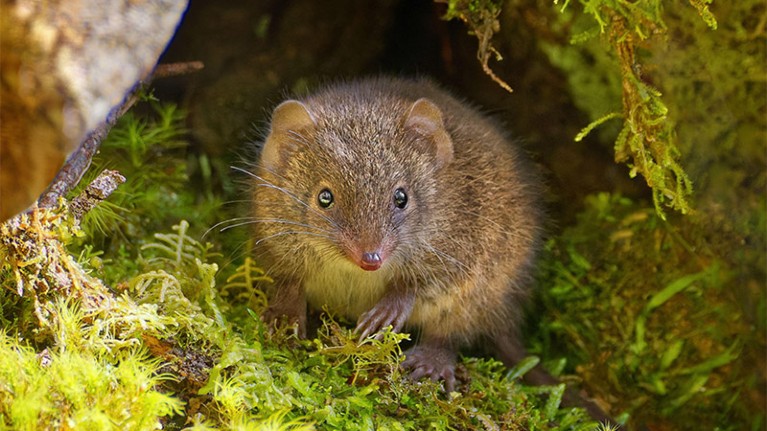
Antechinus have an unusually short and vigorous breeding season.Credit: Adam Fry/Alamy
Lustful male marsupials sacrifice their sleep for weeks to make more time for mating1.
The antechinus, an Australian marsupial roughly the size of a gerbil, is a rare example of a mammal that mates during a certain season and never again. Roughly every August, male antechinus enter a three-week breeding frenzy in which they mate with every female they can and then die en masse.
“It’s very short, very intense,” says zoologist Erika Zaid at La Trobe University in Melbourne, Australia. Males generally live for only one year; females can live for at least a year longer and produce more than one litter.
To find out how males make enough time for sex in their short lives, Zaid and her colleagues trapped ten male and five female dusky antechinus (Antechinus swainsonii) and kept them in separate enclosures so they couldn’t mate. They attached activity monitors to the animals’ collars and collected blood samples to measure biomarkers.
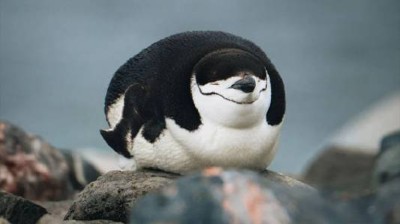
This penguin survives on 4-second microsleeps — thousands of times a day
The researchers found that captive males, but not females, moved around much more and slept less during breeding season than they did the rest of the year. On average, the males’ sleep time per day was around 20% lower during the breeding season than during the non-breeding season ― and one male’s sleep time per day was more than 50% lower. At the end of breeding season, two of the males died within a few hours of one another. The other eight became sterile.
To determine whether sleep loss occurs in the wild, Zaid and her colleagues trapped 38 animals from a related species called agile antechinus (A. agilis) before and during breeding season and measured the animals’ oxalic acid, a chemical in the blood whose levels drop when an animal is short on sleep. Males’ oxalic acid levels fell sharply during the breeding season. Unlike the captive females, wild females showed drops as well, suggesting that males were waking them up for shenanigans.
Zaid and others had thought that sleep loss might be what kills male antechinus every year. But the two males that died weren’t the ones that had lost the most sleep, and it takes much more sleep loss to kill a rat, suggesting that something else kills antechinus. “It’s a real question mark,” says Zaid. The study was published today in Current Biology.
Mammalian physiologist Adrian Bradley at the University of Queensland in Brisbane, Australia, says the paper is a thorough investigation. The results fit with his experience studying antechinus during mating season: males become so hyperactive that they will even climb his legs. He suggests that if the males’ feeding patterns change during mating season, malnutrition could cause fatal damage to their stomachs.
In future studies, Zaid plans to investigate what kills the males. She suspects that an environmental trigger, such as a parasite, sets the clock ticking before the mating season even starts.