x




US researchers produce graphene from waste
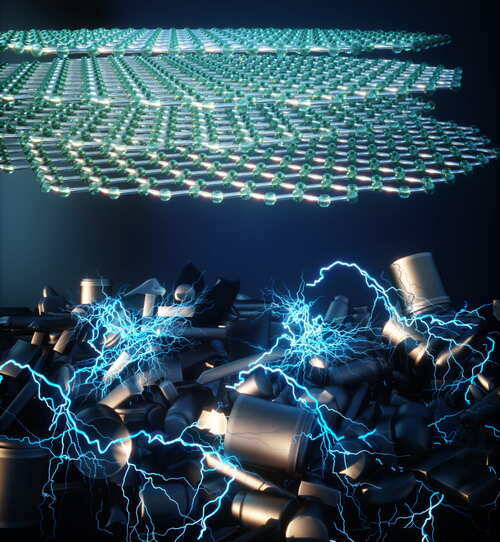
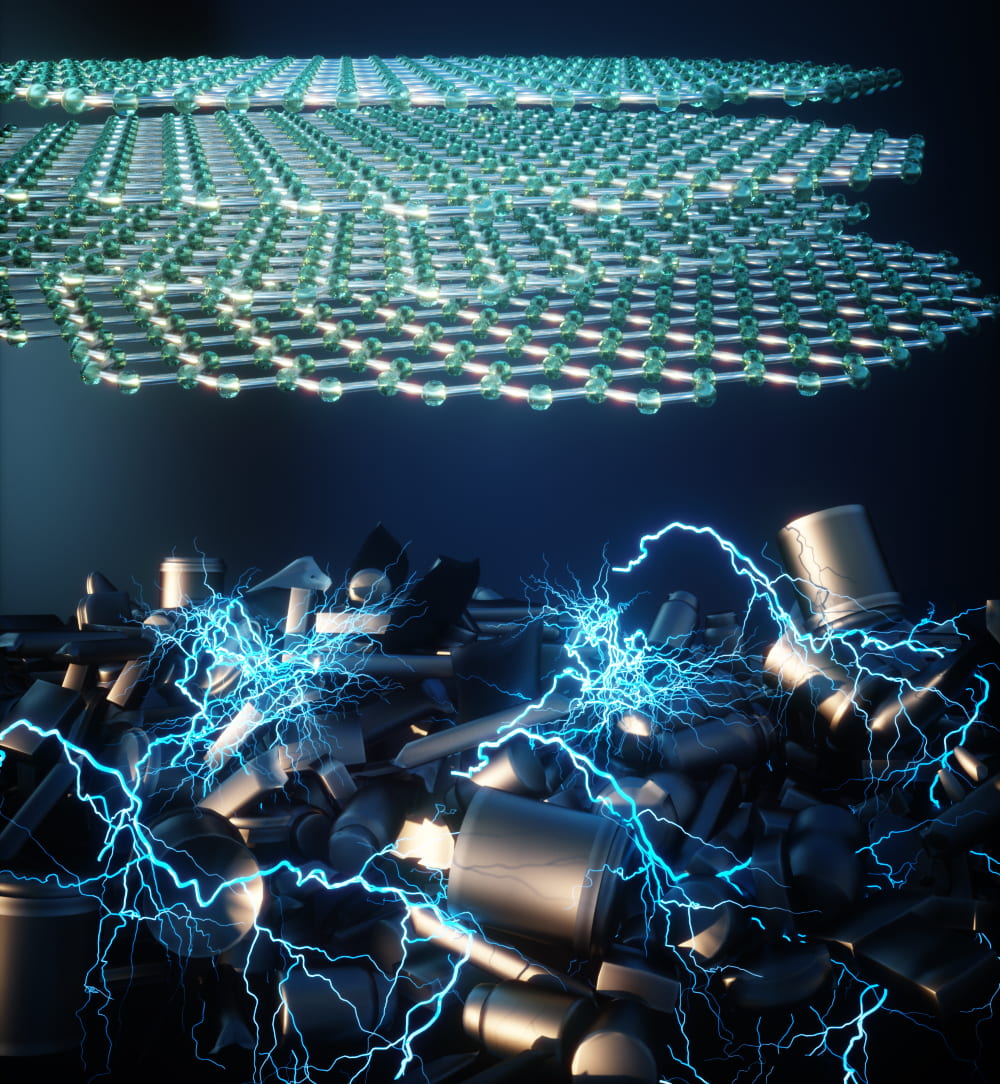
It takes ten milliseconds until a whole mountain of graphene is created from carbon-containing waste. The supposed miracle happens in a special reactor in which a so-called arc generates a temperature of 3000 degrees Celsius. Because it is so fast, the chemist James Tour, who teaches and researches at Rice University in Houston, Texas, calls the process flash graphene, for example, “Blitz-Graphen. Graphene is a two-dimensional particle with carbon atoms arranged in a honeycomb shape.
Concrete becomes more resilient with graphene
Spoiled food, organic waste, plastic waste and old car tires serve as raw materials. It is easily possible to use this technique to produce graphs on a ton scale, and far more cheaply than with the previous methods. "At the current retail price of $ 67,000 to $ 200,000 per ton, the prospects for our process are excellent," said Tour.
Because graphene is one of the strongest materials in the world, Tour is thinking of mixing small amounts of it with cement. The concrete made from it is far stronger and more resilient than normal concrete. This would save a lot of concrete in the construction of residential and office buildings as well as factory buildings. The environment would thank it, because cement production releases eight percent of the world's carbon dioxide emissions. Another application could be asphalt. Roads made from such a material would be far more abrasion-resistant than those that are being built today.
The atmosphere is relieved
The process doubles the environment. Less cement means less carbon dioxide. Since food waste, organic waste, plastic and car tires in the form of graphene are removed from the cycle for a long time - unlike burning or composting, processes in which carbon dioxide is released - the atmosphere is relieved.
Tour also suggests converting natural gas and oil into hydrogen, a safe energy source for mobility and for heat production, such as heating. The residues could be turned into graphs. "We mimic the process that naturally leads to the formation of graphite," says co-author Ksenia Bets. "However, we stop it at the very moment that graphene has formed."