x





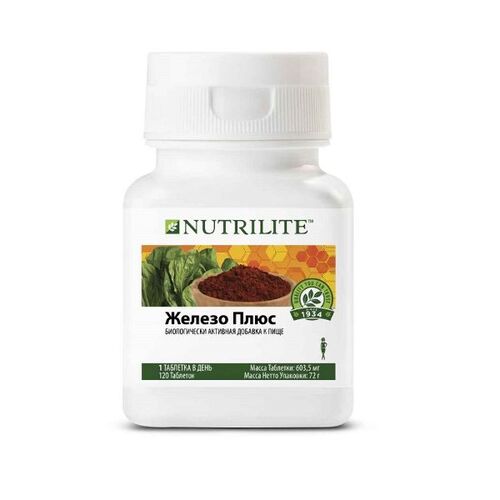
Iron is involved in transporting electrons, supplying cells with energy. It is the main component of hemoglobin - a transport protein delivering oxygen to all tissues of the body. Iron is found in proteins with various functions, including enzymes. It ensures blood formation and functioning of a number of important biochemical processes.
Iron is not synthesized in the body, but it can be accumulated in the liver as ferritin. This biochemical indicator is one of the determinants for detection of iron deficiency.
Folic acid is needed in addition to iron for normal hematogenesis.
The main risk group for developing an iron deficiency is constituted by women of a childbearing age. Iron reserves in a woman's body is 3 times less than in a men's one.
Iron deficiency leads to disruption of oxygen transport and development of oxygen deprivation of the body, as well as energy deficiency in cells. Women and girls are the most vulnerable due to deficiency of iron in their diet, blood loss during menstruation and periods of rapid growth. Iron deficiency can lead to such consequences as:
Organ meats (liver, tongue, kidneys), red meat and poultry, red fish.
Pomegranates, buckwheat, nuts, raisins.
The form of the iron in the product - heme or non-heme - is important.
In animal meat half of iron is in the heme form - non-protein part of hemoglobin and myoglobin. All the iron in plant foods is non-heme. Not more than 10% of non-heme iron is absorbed from plant food; 40% of heme iron and 10% of the non-heme iron is absorbed from animal meat.
Iron absorption is hindered by cereals and bread phytates, as well as coffee and tea tannins.
Duration - 1 month. Repeat, if necessary. Prior to use consult your physician.
https://www.amway.ru/ru/login/register/customer/abo/4910142
https://markethive.com/tatana/page/tatana