x






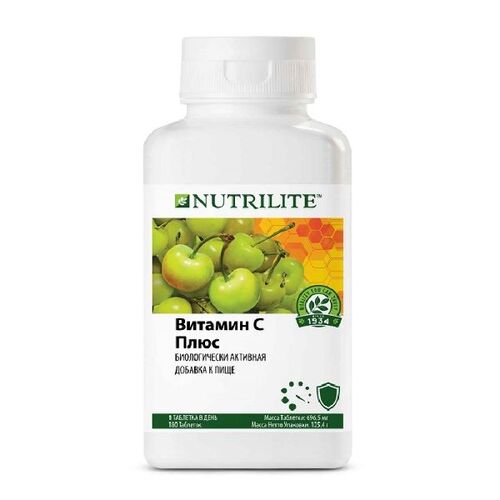

Vitamin C is involved in functioning of the immune system, it facilitates absorption of iron, which is the principal oxygen carrier in the body. It is an important component of the antioxidant systems of cells, contributing to protection of vessels from the effects of lipid radicals circulating in the blood (cholesterol, lipoproteins). It is also involved in the synthesis of collagen and the ground substance of connective tissue.
The human body itself can not synthesize vitamin C: the need for it can only be met by dietary intake.
In modern life conditions most people suffer from lack of vitamin C, which increases in winter and spring. Many continue to experience shortage of vitamins even during more favorable summer and autumn months.
The average intake of vitamin C in different countries varies from 70 to 170 mg/day, in Russia - 55-70 mg/day. The primary reasons are climatic patterns and diet: an excess of refined foods and lack of fresh vegetables and fruit. Average food consumption by the population of the Russian Federation is below the recommended standards: for potatoes - by 34.6%, vegetables - by 23.4%, fruit - by 21.8%.*
Vitamin C is the most unstable and sensitive to environmental factors and heat treatment. Light, temperature increase and long-term storage lead to substantial losses (80%) of this vitamin.
FOOD SOURCES
Rosehip, sweet pepper, chili pepper, horseradish, black currant, dill, cabbage, citrus fruits, and cherry.