x
Black Bar Banner 1
x

Alert!  New Secured Wallets are installed! new Blog system with AI  power and auto blog curation coming soon  Alert! 

Ads by Markethive - View All
Blogs
The Blog Feed
Write a New Blog Post
Search Blog Status
Most Viewed
Most Recent
Most Shared
Alphabetical
Blog Main Menu
Markethive Blog (default)
All Blogs
My Blog Posts
Friends' Blogs
Blog Categories
All
Advertising
Blockchain & Cryptocurrency
Business Development
Diet & Weight Loss
Environmental
Health and Wellness
History and Culture
Home and Garden
Marketing
Mentoring & Training
Money & Finance
Other
Political
Prayer & Religion
Programming & Technical
Real Estate
Search Engine Optimization
Social Media
Spirituality
Sports & Recreation
Transport
Travel & Events
Website Design
Blogging Tools & Assets
My Blog Info
Members Subscribed to You
Blogs You Are Subscribed To
Website Widget
Wordpress Plugin
Subscribe for Greater Services
Subscribe to one of many subscriptions, each one includes the previous ones.. Unlock powerful tools, advance features, to build a powerful reach.

Topics in Mobile Redirect Issues Part 5: SSL- Redirect to Mobile Redirect-Problem and Solution

Posted by Richard Tipsword on April 28, 2016 - 11:18pm Edited 10/2 at 6:49pm


Glenn E. Fleming, MD, MPH, Contributor

(Reposted from Patrick Sexton, https://varvy.com)

There are four common types of redirects that affect how your users and Google see your mobile pages. Each of them is bad for performance (speed). They include:

       *    Initial redirect - canonical (www.example.com vs example.com)

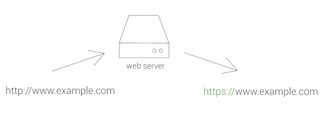
  • SSL - secure pages redirect
  • Redirect to mobile version
  • Content driven redirects

Redirect to mobile version

  1. Problem

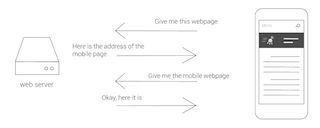
            When you have a different web address (url) for your mobile pages than you do for your desktop pages, the mobile                 device must somehow get to the mobile version. The way it does so is through a redirect.

           In other words, the mobile redirect is the method in which your mobile page gets displayed.This redirect only occurs                when a different url is utilized for mobile devices versus the desktop version. This redirect does not happen when a                  responsive web design is employed.


       b. Solution

         As previously mentioned, a mobile redirect only occurs when a different url is utilized for mobile devices versus the                  desktop version.

         Using responsive web design or dynamic serving will remedy this issue by eliminating the need for separate urls for the          same website (i.e., mobile v. desktop version).