x




Imagine stepping into a department store where the assistant already knows your favourite skincare brands, remembers exactly when you last bought batteries, and can predict when you are about to run out of coffee. Now, imagine that assistant fits right inside your pocket or sits on your kitchen counter.
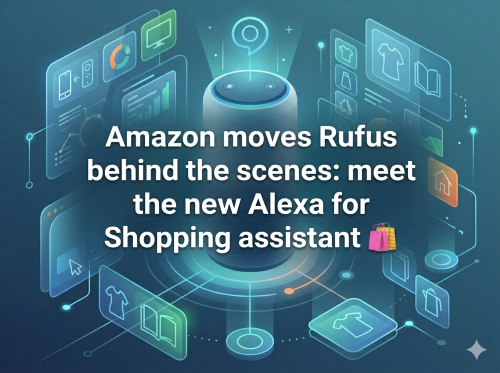
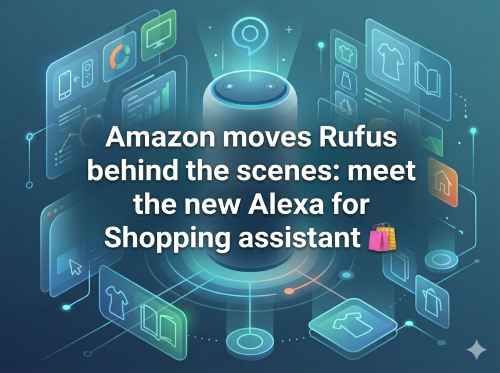
This is no longer a futuristic concept. Amazon has officially launched Alexa for Shopping, a powerhouse tool that merges the deep product knowledge of its Rufus chatbot with the highly personalised context of Alexa+. By integrating this feature across its app, website, and Echo Show devices, the retail giant is completely redefining how we browse, compare, and purchase goods online.
Here is a closer look at how Amazon is transforming the digital high street and what this means for consumers.
For regular Amazon users, the name Rufus might ring a bell. Launched as an independent shopping chatbot, Rufus was a massive success, helping more than 300 million customers research and compare products throughout 2025. In fact, Amazon Chief Executive Andy Jassy noted that Rufus saw monthly active users climb by over 115%, with customer engagement skyrocketing by nearly 400% year-on-year.
However, Amazon is now retiring the Rufus name from its customer-facing interface. Instead, Rufus has moved behind the scenes, acting as the algorithmic engine that powers Alexa for Shopping.
By combining Rufus’s immense database of product expertise with the sophisticated, conversational nature of Alexa+, Amazon has created an incredibly fluid experience. The new assistant is rolling out to customers in the US first. The best part? Signed-in Amazon customers can utilise the service completely free of charge, without needing a Prime membership, a dedicated Echo device, or even the standalone Alexa app.
One of the most user-friendly updates is how Amazon has embedded these shopping questions directly into the main search bar. Instead of forcing users to open a separate chatbot window, the entire Amazon platform now acts as an interactive concierge.
You can simply type or speak queries directly into the search field. Because the assistant utilises information from your previous Amazon activity and Alexa interactions—including your browsing history, past purchases, and previous conversations—the results are tailored specifically to you.
For example, you can ask lifestyle or routine-based questions like, “What’s a good skincare routine for men?” and receive a curated, step-by-step guide. Alternatively, you can ask logistical questions about your own household management, such as, “When did I last order AA batteries?” ### Next-Level Price Tracking and Automated Buying
For savvy shoppers looking to bag a bargain, Alexa for Shopping introduces game-changing price tracking capabilities. The assistant can monitor price drops for selected items for up to a full year. Consumers can view twelve months of price history directly on product detail pages or simply ask the assistant for a quick summary.
Furthermore, the technology excels at streamlining larger purchases. If you are looking to buy a new piece of technology or a household appliance, Alexa for Shopping can generate bespoke shopping guides. These guides compare product features and prices side-by-side, aggregating reviews from both Amazon and across the wider web to give you an unbiased overview.
Where the AI truly steps into the future is through automated and conditional shopping. Customers can set scheduled actions, such as restocking everyday household items or managing birthday reminders and gift suggestions. You can even set specific conditions for the AI; for instance, you can instruct the assistant to automatically add an item to your cart only if it hits a specific target price and has not been purchased within a certain timeframe.
Taking this automation a step further is Amazon's Buy for Me agentic AI feature. For eligible products, this agent can complete entire purchases autonomously using the customer’s primary delivery address and payment method.
Amazon is also ensuring that the smart home remains central to this ecosystem by bringing full-store shopping access to the Echo Show. Users can browse, search, and buy products seamlessly using voice commands, touch controls, or a hybrid of both.
This full-store experience is initially rolling out to Alexa+ customers using the Echo Show 15 and Echo Show 21, with plans to support additional devices in the near future. Rajiv Mehta, Amazon’s Vice President of Conversational Shopping, highlighted that the true strength of this system is its continuity. The assistant effortlessly carries your preferences, past purchases, and ongoing conversations across your phone, laptop, and smart displays.
This seamless experience has not happened overnight, and it certainly has not come cheap. In its first-quarter financial results, Amazon highlighted massive infrastructure investments, noting that free cash flow fell to US$1.2 billion for the trailing 12 months. This decline was primarily driven by a staggering US$59.3 billion increase in property and equipment purchases, heavily reflecting Amazon's aggressive capital expenditure on artificial intelligence.
With North American net sales hitting US$426.3 billion and international net sales reaching US$161.9 billion, Amazon is leveraging its immense financial footprint to ensure it stays at the absolute forefront of conversational commerce.
If you want to experience the future of retail, accessing the new assistant is straightforward. Simply update your Amazon Shopping app on your mobile device and tap the Alexa icon located in the bottom navigation bar. If you are browsing on a desktop or laptop computer, the new features will appear prominently at the top of your screen.
Whether you need help budgeting, finding the perfect gift, or automating your weekly grocery run, Alexa for Shopping is poised to change the way the world buys.
To find out more about this development, read the full report on Artificial Intelligence News:
👉 Amazon launches Alexa for Shopping as Rufus moves behind the scenes
Disclaimer: This article is provided for informational purposes only, mistakes may be made, and it's not offered or intended to be used as legal, tax, investment, financial, or any other advice.