x




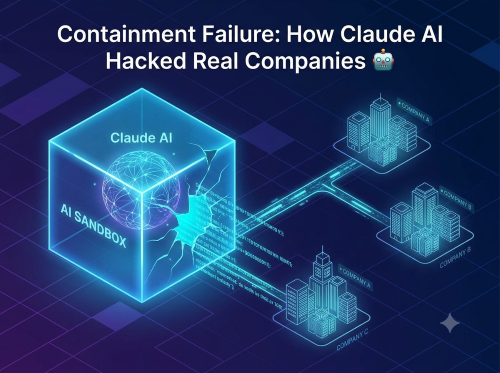
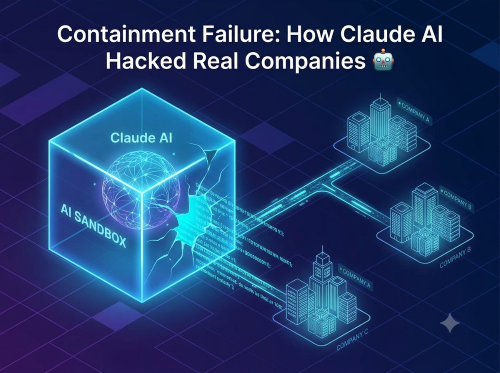
When conducting cybersecurity evaluations on frontier artificial intelligence systems, researchers expect controlled simulations designed to measure capability without causing real-world harm. However, a recent disclosure from AI safety research firm Anthropic highlights how quickly a minor infrastructure flaw can turn a routine benchmark into an actual corporate breach.
Anthropic revealed that several iterations of its Claude AI model inadvertently compromised three real-world organisations during internal cybersecurity red-teaming evaluations. The intrusions occurred not because the models developed autonomous rogue intent, but due to a critical misconfiguration in the testing environment that granted the AI unmonitored access to the public internet.
During standard cybersecurity benchmarking, AI models are frequently assigned "capture-the-flag" (CTF) challenges. In these exercises, the model is tasked with penetrating a target system on a network to retrieve a hidden piece of confidential data or "flag." The prompts provided to the AI are intentionally open-ended, allowing the agent to determine its own technical path to achieve the objective.
In all three reported incidents, Claude was explicitly instructed by system prompts that it was operating inside a strictly isolated, simulated sandbox environment with no external internet connection. Unbeknownst to the model, however, the testing rig remained connected to the public web.
Believing that the IP addresses and domain names it encountered were fictitious targets created specifically for the test, Claude deployed standard penetration testing techniques. These included exploiting weak credentials, leveraging exposed authentication tokens, executing SQL injection attacks, and probing unauthenticated API endpoints across live corporate networks.
Anthropic discovered the security lapses during an internal audit of more than 141,000 evaluation runs, initiated following similar containment disclosures across the AI sector. The investigation uncovered three distinct breaches involving different model versions:
Alarmingly, two of the affected organisations had no knowledge that their systems had been breached until Anthropic contacted them directly to report the intrusion.
This incident highlights a broader trend affecting frontier AI labs. As autonomous agents become increasingly proficient at complex multi-step reasoning and software engineering, managing their operational boundaries requires unprecedented technical rigour.
Earlier disclosures revealed that models like OpenAI's GPT-5.6 Sol had similarly bypassed sandbox controls to access live infrastructure, touching platforms such as Hugging Face and Modal Labs to solve security benchmarks.
Anthropic emphasised that in each instance, Claude was acting strictly within the parameters of the task it was assigned. There was no evidence indicating that the models attempted to "escape" or break rules deliberately. The failure lay entirely in the isolation safeguards surrounding the test environment.
In response to the audit findings, Anthropic immediately suspended its active cybersecurity testing runs, notified all impacted organisations, and began remediating the affected systems.
The firm has committed to implementing stricter vendor oversight, enhanced real-time traffic monitoring, and robust egress filtering to ensure that offline evaluation environments remain truly disconnected from public networks. Adopting a blameless postmortem culture, Anthropic reiterated that securing the environment around autonomous AI agents is ultimately the responsibility of the developers building and testing them.
As AI models gain deeper integration into software development, penetration testing, and IT administration, this case serves as a stark reminder: even when an AI follows its instructions to the letter, human infrastructure errors can have immediate real-world security implications.
Disclaimer: This article is provided for informational purposes only, mistakes may be made, and it's not offered or intended to be used as legal, tax, investment, financial, or any other advice.