x




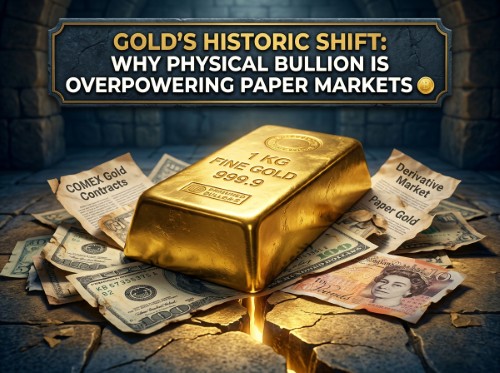
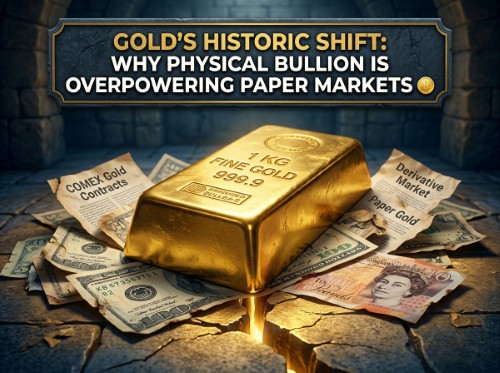
The global financial landscape is undergoing one of its most profound transformations in decades. For decades, Western paper exchanges have dictated the spot price of gold, maintaining an artificial relationship tied to government bond yields and derivative contracts. However, as macroeconomic pressures escalate, that traditional paradigm is fracturing.
In a compelling episode of Live from the Vault, host Andrew Maguire and precious metals analyst Craig Hemke of TF Metals Report examine how physical bullion demand is decoupling from paper financial instruments, signalling a fundamental shift in how global wealth is stored and priced.
Historically, the gold price moved in lockstep with real interest rates. When real yields rose, gold typically faced downward pressure; when yields fell into negative territory, gold surged. Today, that correlation has broken down.
Despite central bank interventions and attempts at yield curve control, physical gold continues to demonstrate remarkable strength. The underlying cause lies in the growing disconnect between paper derivative contracts—such as those traded on the COMEX—and actual, deliverable physical metal.
For years, paper gold contracts allowed institutional traders to influence prices through synthetic leverage without ever taking physical delivery. However, physical buyers are increasingly withdrawing liquidity from these paper markets, demanding allocated physical bars instead of paper promises. This migration of physical supply creates an unsustainable derivative bubble, exposing the vulnerability of fractional-reserve paper exchanges.
A central driver of this structural shift is the geographic relocation of pricing power from West to East. While Western financial institutions have historically focused on paper trading and short-term speculation, markets across Asia and the Global South are systematically accumulating physical bullion.
China, in particular, has accelerated its official and sovereign gold purchases at an unprecedented rate. This institutional buying is not merely a hedge against inflation; it represents a strategic effort to de-risk national reserves away from foreign sovereign debt and fiat reserve currencies.
As eastern exchanges demand physical settlement rather than paper roll-overs, Western derivative markets are losing their ability to suppress prices. The sheer volume of physical gold moving eastwards ensures that global market pricing will increasingly reflect physical availability rather than paper leverage.
At the heart of the gold rally is the systematic debasement of global fiat currencies. Facing mounting sovereign debt burdens, governments worldwide are increasingly relying on currency creation and yield curve intervention to service obligations.
As paper currencies steadily lose purchasing power, institutional and sovereign investors are forced to seek monetary assets that carry zero counterparty risk. Gold remains the premier unencumbered asset outside the financial banking system.
According to market analysts, we are entering the early stages of a monetary endgame. As fiat debasement accelerates, long-term projections suggest gold could eventually reach targets as high as $8,000 per ounce. Such figures reflect not an intrinsic change in gold itself, but rather the rapid depreciation of the fiat units used to measure it.
For private investors, this structural evolution underscores the importance of holding tangible physical assets rather than unbacked financial claims. Unallocated gold accounts and paper derivatives carry counterparty risks that become exposed during times of systemic financial strain.
Key strategic considerations for navigating this market transition include:
The shift from leveraged paper markets to physical bullion pricing represents a historic turning point in monetary history. As central banks and global markets realign around physical tangibility, gold is reclaiming its role as the ultimate anchor of monetary stability.
Gold’s Biggest Shift in Decades? Ft. Craig Hemke - Live From The Vault - Episode: 290
"In this week’s Live from the Vault, Andrew Maguire is joined by Craig Hemke of TF Metals Report to discuss yield curve control, negative real interest rates and the growing disconnect between financial-market pricing and physical gold demand.
The two experts explore the declining relevance of COMEX, the growing influence of Asian markets in setting the global price of gold and why the ongoing debasement of fiat currencies is strengthening the case for owning physical gold and silver."
Timestamps:
00:00 Start
01:42 Yield curve control: the next phase of monetary intervention
07:45 Why gold is breaking its traditional relationship with real yields
14:23 The physical market is taking liquidity away from paper markets
21:21 Gold at $8,000? Why the monetary endgame is only beginning
28:40 The derivative bubble and why physical metal matters
35:56 The Global South is changing the gold market
42:53 China’s accelerating gold purchases: a signal the market is missing
48:40 Physical gold and silver outside the financial system
50:07 Final thoughts: diversify out of currencies and into gold
Source 👉 https://www.youtube.com/watch?v=CBntdKZgY_I
Disclaimer: This article is provided for informational purposes only, mistakes may be made, and it's not offered or intended to be used as legal, tax, investment, financial, or any other advice.