x




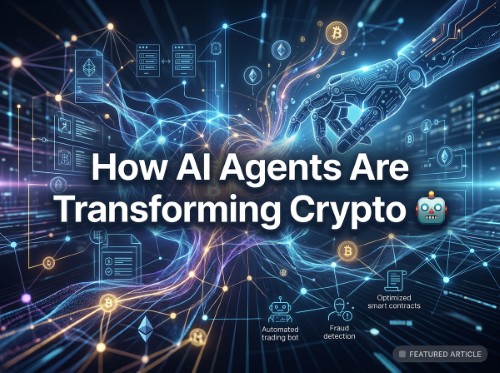
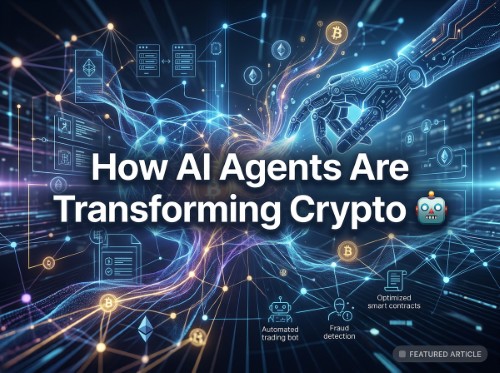
The convergence of artificial intelligence and blockchain technology is no longer just a futuristic concept—it is actively reshaping how digital assets are traded, managed, and secured. As cryptocurrency markets operate continuously across the globe, human traders and developers face an overwhelming deluge of real-time data, instant price fluctuations, and complex protocol interactions.
Enter AI agents: autonomous software programs capable of evaluating data, making decisions, and executing tasks without constant human intervention. According to research from Sellers Commerce, the global market for AI agents is set to experience explosive growth, expanding from $7.38 billion (£5.8 billion) in 2023 to an estimated $47 billion (£37 billion) by 2030.
Within the Web3 ecosystem, these intelligent programs are fast becoming essential tools for capital efficiency, threat mitigation, and user onboarding.
An AI agent is an autonomous software system designed to perceive its environment through data feeds or APIs, process that information using algorithms or machine learning models, and execute specific actions to achieve predefined goals.
Unlike traditional, rigid software scripts that strictly follow "if/then" rules, modern AI agents can adapt to unpredictable conditions and learn from past outcomes.
The Five Main Types of AI Agents
The inherent fast pace and high volatility of crypto markets make them an ideal environment for AI integration. Autonomous agents are delivering value across several critical areas of the decentralised ecosystem:
1. Algorithmic Trading and Yield Optimisation
In Decentralised Finance (DeFi), timing and precision are paramount. AI agents monitor price movements, gas fees, and liquidity pools across dozens of blockchains simultaneously. By identifying arbitrage opportunities and automatically rebalancing portfolios, agents can fine-tune lending rates and maximise yield strategies far more effectively than manual execution allows.
2. Enhanced Security and Real-Time Fraud Detection
Security remains one of Web3’s biggest hurdles. AI agents equipped with Natural Language Processing (NLP) can monitor social platforms like Telegram, Discord, and X (formerly Twitter) to detect phishing campaigns and social engineering scams before users fall victim. On-chain, machine learning models analyze transaction flows in real time, flagging unusual wallet activity, sudden movements of funds, or smart contract vulnerabilities.
3. Streamlining Blockchain Infrastructure
Operating decentralized nodes, executing smart contracts, and managing gas fees across fragmented ecosystems require significant technical effort. AI agents automate node deployment and optimise transaction timing to reduce network congestion and minimise execution costs for both developers and users.
4. Abstracting Web3 Complexity for Everyday Users
Navigating private keys, multi-chain bridging, and complex DeFi interfaces has long hindered mainstream Web3 adoption. AI agents act as intelligent intermediaries, handling background technical execution seamlessly. Users can simply state their intent in plain language—such as "stake my assets for the best risk-adjusted yield"—and let the agent perform the necessary multi-step transactions securely in the background.
As demand for autonomous crypto tools increases, several projects and platforms are building the infrastructure required to support them:
The integration of artificial intelligence into blockchain networks represents a pivotal shift toward self-sustaining digital economies. While challenges remain—particularly around multi-chain interoperability and private key management—the rapid evolution of platforms like ElizaOS and Metropolis signals a future where autonomous execution dominates on-chain activity.
By removing manual complexity, improving capital efficiency, and strengthening protocol security, AI agents are laying the groundwork for a more resilient, accessible, and adaptive decentralised financial system.
Disclaimer: This article is provided for informational purposes only, mistakes may be made, and it's not offered or intended to be used as legal, tax, investment, financial, or any other advice.