x




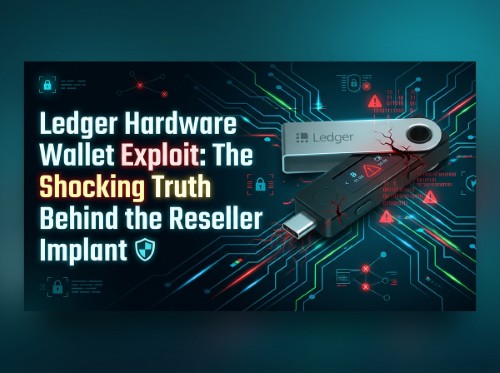
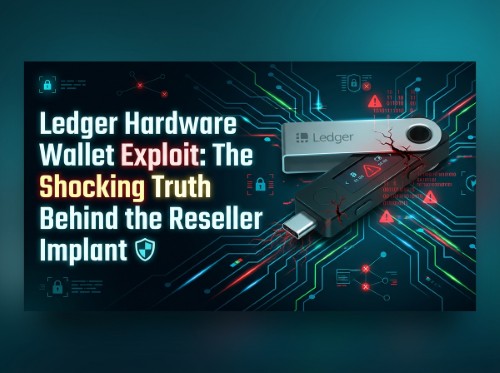
The cryptocurrency community has been rocked by disturbing revelations surrounding hardware wallet security, following confirmation by Ledger that an unauthorised hardware implant was discovered in a device linked to an ongoing wallet-drain investigation. With estimated potential losses reaching a staggering $93 million across 311 wallets spanning five different blockchains, this incident serves as a critical wake-up call for digital asset holders everywhere.
While Ledger has maintained that its internal systems, backend services, and manufacturing infrastructure remain entirely uncompromised, the breach points directly towards physical tampering within the supply chain and reseller network. Here is a comprehensive breakdown of how the exploit was uncovered, the shadowy reseller connection, and what you must do to keep your crypto safe.
The alarm was raised when former Mt. Gox CEO Mark Karpelès began a private investigation after receiving a Ledger Nano X shipped from Malaysia that instantly aroused suspicion. Despite arriving in what appeared to be flawless, factory-intact shrink-wrap packaging, physical inspection revealed something alarming.
Hidden discreetly behind the device's screen—tucked away neatly where the internal cushioning normally sits—was a sophisticated, unauthorised electronic module. According to Karpelès, this concealed hardware implant featured a custom microcontroller, LTE cellular hardware, an antenna, and an eSIM. When wired into the device's display circuitry, this rogue module was engineered to intercept and capture recovery phrases as users typed or viewed them during initial wallet setup, transmitting the sensitive seed data covertly over a cellular network.
Following this alarming discovery, Karpelès urged regional distributors to inspect their unsold inventories. Ledger subsequently examined a device belonging to an affected customer and officially corroborated the existence of the unauthorised hardware implant.
The epicentre of the Southeast Asian investigation centres around CryptoBilis, an authorised reseller serving Indonesia, Malaysia, and the Philippines. Following the outbreak of the exploit reports, CryptoBilis found itself under intense scrutiny, compounded by a murky corporate ownership change.
According to reports, CryptoBilis' former co-founders, Arravind Prabu and Vimalatheethan, stated that they completed a full sale of the company in March 2026, transferring operational control. However, they claimed a strict confidentiality agreement prevented them from making a public announcement until mid-October—conveniently coinciding with the emergence of the crypto exploit reports.
Corporate filings cited by industry observers revealed that 100% of CryptoBilis shares were officially transferred to an individual named Jiaming on August 3, 2026, with a registered address in China's Heilongjiang province. Adding a bizarre linguistic twist to the unfolding drama, the Chinese characters for the buyer's name (假名) translate directly to "false name".
Despite these suspicious timelines and corporate shifts, investigators emphasise that there is currently no concrete evidence linking the new owner directly to the physical tampering of the hardware wallets. Authorities are still working tirelessly to establish precisely at which point in the supply chain the unauthorised components were installed.
As the investigation widened, separate community reports emerged alleging that a device purchased through MediaMarkt—an official reseller operating across several European markets including Germany and Austria—also showed signs of potential physical modification.
However, industry analysts noted discrepancies in circulated images, with experts questioning whether the board layout matched authentic Ledger hardware or shared similarities with the implants discovered in Southeast Asia. Ledger has not officially confirmed any compromise linked to European retail channels, reminding users that isolated claims require thorough verification.
While the exploit highlights vulnerabilities in specific supply chain channels rather than a global software failure, it serves as an essential reminder never to be complacent about digital security. If you own a hardware wallet, follow these vital protective measures:
By staying vigilant, avoiding panic, and remaining closely aligned with official security updates, cryptocurrency holders can significantly mitigate supply chain risks and safeguard their digital fortunes against sophisticated physical threats.
Disclaimer: This article is provided for informational purposes only, mistakes may be made, and it's not offered or intended to be used as legal, tax, investment, financial, or any other advice.