x




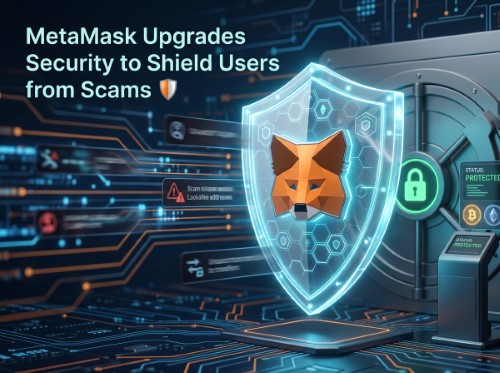
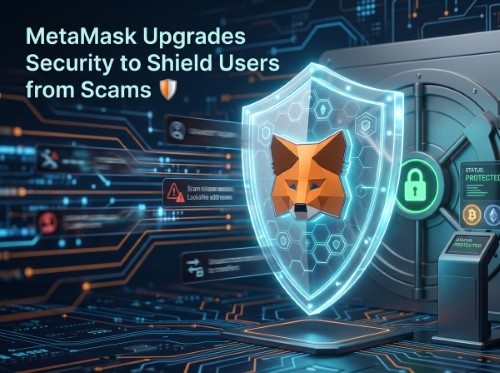
Navigating the Web3 landscape requires vigilance. As decentralised finance (DeFi) expands, the tactics used by cybercriminals are becoming increasingly sophisticated. Scammers have moved beyond crude phishing sites to highly persuasive social engineering schemes, address poisoning, and disguised smart contracts.
To combat this evolving threat, MetaMask—one of the world's most widely used cryptocurrency wallets—is rolling out a suite of intelligent, real-time security features across its mobile application and browser extension.
These new safeguards mark a significant shift in crypto wallet security, moving away from generic warnings towards responsive, contextual protection powered by artificial intelligence.
Traditional security pop-ups often fail for a simple reason: user fatigue. When every transaction prompts the same generic risk warning, users naturally tend to click through without reading. Scammers frequently exploit this habit by actively coaching victims to bypass warnings during romance or fake investment scams.
MetaMask’s latest update introduces several targeted measures designed to intervene at critical decision points:
1. Contextual Transfer & Address Warnings
MetaMask now alerts users when they attempt to send funds to a first-time recipient or interact with suspicious addresses. Crucially, the system targets "lookalike addresses"—a common tactic in address poisoning scams where attackers generate wallet addresses that closely resemble a user’s regular contacts to trick them into copying the wrong string of characters.
2. "Added Protection" and Automatic Transaction Reversions
One of the most powerful technical additions is the Added Protection feature. When enabled, this tool automatically reverts any transaction that deviates from what was shown on the confirmation preview screen. If a malicious smart contract attempts to alter the transfer amount, gas limits, or destination address behind the scenes, the transaction is halted before any funds can leave the wallet. This feature launches first on the browser extension, with mobile integration following shortly after.
3. Human Intervention via Priority Support
Recognising that victims of romance and investment fraud are often being manipulated in real time, MetaMask has introduced a direct pathway to human help. If a user receives a high-risk scam alert and feels uncertain, they can connect directly to priority support from the transaction screen, providing an essential human touch when automated warnings are not enough.
At the heart of these security updates is an advanced threat detection engine operated in partnership with Web3 security firm Blockaid.
Rather than relying purely on static blocklists of known malicious sites, the security system leverages large language models (LLMs) and custom classification models within agent harnesses. These AI tools continuously scan both on-chain and off-chain environments, including:
By combining on-chain analytics with web-scale AI detection, MetaMask can warn users about newly created scam vectors seconds after they appear online.
These technological upgrades arrive against the backdrop of an intensified global crackdown on illicit Web3 activity. Law enforcement agencies worldwide are focusing heavily on "pig butchering" and romance investment schemes that trick individuals into transferring large sums over extended periods.
Recent regulatory and law enforcement actions demonstrate the sheer scale of the challenge:
By introducing proactive checks directly within the wallet interface, MetaMask aims to cut off fraudsters at the final point of transfer, drastically reducing the success rate of social engineering campaigns.
These security enhancements also arrive at a pivotal moment for MetaMask's parent company, Consensys. The blockchain software firm is preparing for a planned separation of its consumer and institutional divisions by the end of 2026.
By bolstering consumer safety features now, MetaMask is strengthening its position as the premier gateway to Web3, ensuring that self-custody remains accessible and secure for everyday users as the ecosystem matures.
While automated safeguards provide a strong line of defence, maintaining good security habits remains essential:
Disclaimer: This article is provided for informational purposes only, mistakes may be made, and it's not offered or intended to be used as legal, tax, investment, financial, or any other advice.