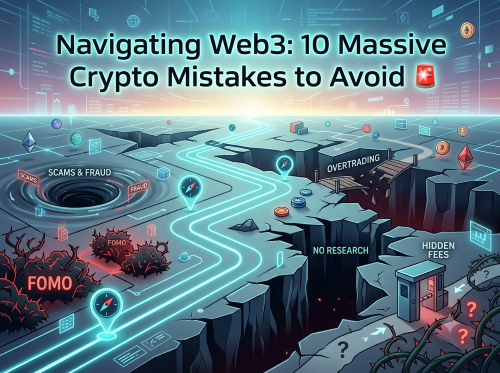
Navigating Web3: 10 Massive Crypto Mistakes to Avoid 🚨
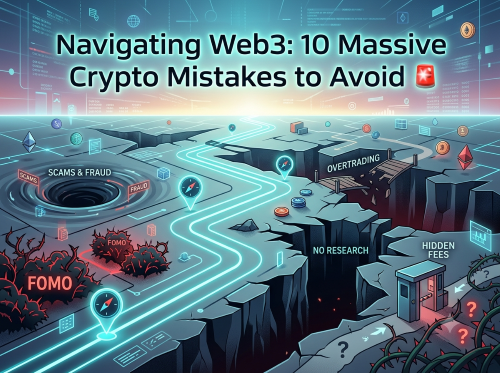
Diving into cryptocurrency trading and Web3 investing offers incredible opportunities, but the market is equally renowned for its swift shifts and complex risks. Whether you are entering the market for the first time or possess years of experience, avoiding common pitfalls is what separates sustainable success from severe financial losses. From falling for sophisticated scams to letting market euphoria dictate your decisions, making uncalculated moves can quickly erode your capital.
Here is a comprehensive guide to the ten biggest crypto mistakes investors make and actionable strategies to ensure you trade smarter, safeguard your portfolio, and build long-term conviction.
1. Investing Without Proper Research (DYOR)
Jumping headfirst into a cryptocurrency simply because it is trending on social media is one of the quickest ways to lose money. Realising consistent gains generally requires getting in before mass enthusiasm takes over and knowing when to exit. Buying blindly based on online buzz turns investing into pure gambling.
How to Avoid It
- Study Whitepapers Thoroughly: Legitimate projects publish detailed documentation outlining their technological goals, target audience, roadmap, and tokenomics.
- Audit the Fundamentals: Research the founding team, their track record, and the project's institutional backing.
- Distinguish Utility from Hype: Look for actual utility, such as Layer-2 scaling solutions, decentralized finance (DeFi) infrastructure, or real-world asset tokenisation, rather than relying solely on viral marketing.
2. Falling Victim to Scams and Fraud
Because blockchain transactions are immutable, recovering stolen funds is nearly impossible. Malicious actors continuously adapt their tactics, utilizing tactics like rug pulls (where developers abandon a project and drain liquidity), pump-and-dump schemes, and wallet drainers.
In recent times, generative AI tools have made identifying fraudulent activity even harder, producing hyper-realistic deepfake videos of well-known figures endorsing fraudulent tokens.
How to Avoid It
- Verify Official URLs: Always double-check domain names before connecting a wallet, and avoid clicking links in unsolicited emails or social media messages.
- Inspect Token Distribution: Check on-chain data to see if a small number of wallets hold the vast majority of the token supply. High insider concentration is a major warning sign.
- Never Share Private Keys: Neither project admins, customer support, nor reputable platforms will ever ask for your seed phrase or private keys.
3. Neglecting Fundamental Cybersecurity
Overlooking basic online security leaves your funds vulnerable to simple breaches. Many users compromise their own safety by reusing weak passwords, failing to enable multi-factor authentication, or storing digital backup keys on cloud platforms.
How to Avoid It
- Utilise Cold Storage: Keep long-term holdings in a hardware wallet (cold storage) that isolates your private keys from internet-connected devices.
- Secure Your Seed Phrase Offline: Write your recovery phrase on paper or engrave it into metal plates, storing it securely in a fireproof location. Never save it as a digital file, screenshot, or cloud document.
- Implement Strong 2FA: Activate two-factor authentication across all exchange accounts, prioritising authenticator apps or physical security keys over SMS-based verification.
4. Overinvesting and Mismanaging Risk
The allure of rapid returns often tempts investors to commit more capital than they can afford to lose. Given the inherent volatility of digital assets, overexposure can cause severe financial strain if the market moves against your position.
How to Avoid It
- Establish Strict Capital Limits: Financial regulatory guidance often cautions against allocating more than a small percentage of your overall portfolio to high-risk asset classes.
- Practise Dollar-Cost Averaging (DCA): Rather than allocating a large lump sum all at once, invest fixed, manageable amounts at regular intervals. This strategy smooths out price volatility and removes the stress of timing the market.
- Define Risk Limits Early: Never trade with funds earmarked for essential living expenses, rent, or emergency savings.
5. Allowing Emotion to Control Your Trades
Fear, greed, and the Fear of Missing Out (FOMO) drive many irrational trading choices. Emotional decisions frequently lead investors to buy at market tops out of euphoria or panic-sell at the bottom during temporary market dips.
How to Avoid It
- Trade with a Predefined System: Formulate a strategy based on technical or fundamental criteria, establishing clear entry points, profit targets, and stop-loss levels before entering a trade.
- Take Breaks During High Volatility: If an unexpected market movement triggers frustration or anxiety, step away from price charts to maintain perspective.
- Focus on the Middle of the Move: Avoid chasing extreme price spikes. Capturing the core segment of a well-defined trend is far safer than attempting to catch exact market tops or bottoms.
6. Over-trading and Suffering Market Burnout
Because crypto markets trade non-stop, 24 hours a day, investors can easily feel compelled to stay constantly active. However, high-frequency trading exposes individuals to algorithmic competition, excessive trading fees, and severe mental fatigue.
How to Avoid It
- Prioritise Quality Over Quantity: Only execute trades that meet strict, objective criteria within your trading system rather than taking action out of boredom.
- Trade Higher Timeframes: Shift your focus to four-hour, daily, or weekly charts. This approach reduces unnecessary noise and gives you more time to analyse movements rationally.
- Track Your Activity: Keep a trading journal to record your entry rationale, emotional state, and outcomes. Identifying habits that lead to unnecessary losses helps maintain discipline over time.
7. Fixating Exclusively on Short-Term Speculation
Chasing fast returns on temporary narrative coins often leads to holding depreciating assets once the initial excitement fades. While meme tokens occasionally produce massive short-term surges, very few maintain long-term value.
How to Avoid It
- Focus on Durable Utility: Allocate the majority of your digital asset portfolio to established projects with real usage, robust developer activity, and proven track records, such as Bitcoin, Ethereum, or leading Layer-1 networks.
- Align Investment Horizons: Balance short-term speculative trades with long-term investments, ensuring the majority of your capital rests in projects capable of surviving market cycles.
8. Failing to Diversify Assets and Storage
Concentrating all your capital into a single token or storing all your digital assets in a single wallet creates a dangerous single point of failure. If that specific project fails, or if that single wallet is compromised, your entire capital is at risk.
How to Avoid It
- Spread Sector Exposure: Diversify across multiple functional sectors within Web3, such as smart contract platforms, decentralized finance, decentralised physical infrastructure (DePIN), and infrastructure tokens.
- Divide Storage Locations: Separate your funds across hot wallets for active daily interactions and secure cold wallets for long-term reserves.
9. Misjudging and Ignoring Market Volatility
Cryptocurrency markets move in distinct macro cycles marked by expansion and contraction phases. Expecting prices to rise indefinitely without corrections leads to poor risk management and unexpected losses during market shifts.
How to Avoid It
- Prepare for Liquidity Shocks: Understand that sharp drawdowns are a standard feature of digital asset markets, not an anomaly.
- Adjust Positions According to Market Conditions: Reduce leverage and position sizing during periods of high uncertainty or macro instability to protect capital.
10. Overlooking Hidden Fees, Spreads, and Charges
Transaction costs can quietly eat into your investment returns over time. Network gas fees on busy blockchains, high exchange spreads, and withdrawal surcharges can transform what appears to be a profitable trade into a net loss.
How to Avoid It
- Analyse Fee Structures: Carefully review the maker/taker fees, deposit charges, and withdrawal minimums of any exchange before creating an account.
- Monitor Network Congestion: When using decentralized exchanges or moving tokens on-chain, check gas trackers to avoid executing transactions during periods of peak network activity.
Building a successful crypto portfolio relies heavily on discipline, robust security habits, and ongoing learning. By conducting thorough research, protecting your private keys, managing your risk, and keeping emotions in check, you can navigate the Web3 landscape with far greater confidence.
For more information and to read the original article, visit the source directly at cyyptonews.com:
👉 10 Biggest Crypto Mistakes You Can Make and How to Avoid Them
Disclaimer: This article is provided for informational purposes only, mistakes may be made, and it's not offered or intended to be used as legal, tax, investment, financial, or any other advice.