x




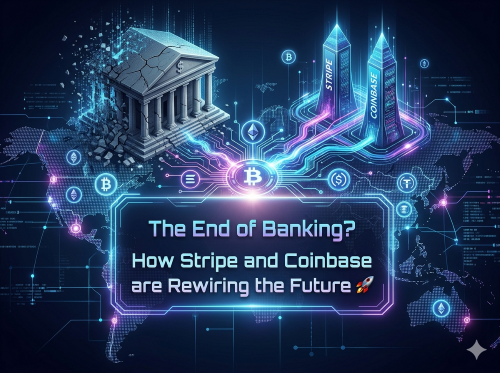
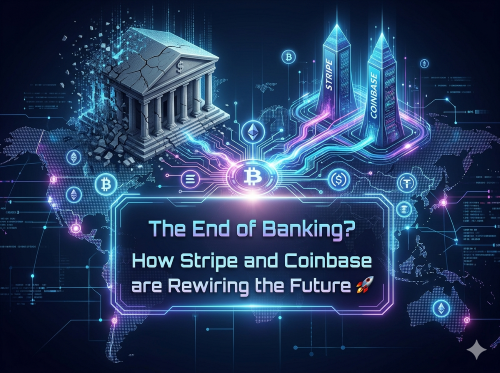
The financial world just felt a massive tremor, and most people didn't even notice the ground move. If you’ve been keeping an eye on the intersection of AI and finance, you know things are moving fast, but the latest collaboration between Stripe and Coinbase is a genuine "stop-and-stare" moment. We are witnessing the birth of a system where machines—not humans—handle the heavy lifting of global payments.
For decades, we’ve relied on a banking system that feels like it’s held together by duct tape and legacy code. Moving money across borders is slow, expensive, and involves a dozen different middlemen. Visa and Mastercard have done a great job of making it feel fast at the checkout counter, but behind the scenes, the settlement process is a dinosaur.
Enter AI agents. These aren't just chatbots; they are autonomous programs capable of making decisions and, more importantly, spending money. The problem? Old-school banks aren't built for AI. They have "working hours," they require manual verification, and they certainly don’t speak the language of autonomous code.
Stripe and Coinbase have essentially pulled the rug out from under traditional finance by launching infrastructure that allows AI agents to pay each other instantly using crypto. By bypassing the "swifts" and "clearing houses" of the world, they’ve created a highway for money that never sleeps.
This isn't just about making things a little faster; it's about a total shift in how value moves. Imagine an AI assistant that doesn't just book your flight but negotiates the price, pays for it in a stablecoin, and settles the transaction in seconds—all without needing a credit card or a bank's permission.
The shift toward machine-to-machine payments is going to create some massive winners in the crypto space. Networks like Solana, Base, and Tron are positioned to be the backbones of this new economy because they offer the speed and low fees that AI agents require.
However, there’s a catch. While this tech is revolutionary, it also consolidates a lot of power. If the future of global commerce runs through just two or three massive companies and a couple of stablecoins, are we really "decentralizing" anything? Or are we just trading old banks for new ones?
There is a darker side to this efficiency. In the video, there's a deep dive into the risks of "programmable money." When money becomes code, it becomes very easy to freeze or control. We’re seeing a world where the line between a crypto wallet and a Central Bank Digital Currency (CBDC) starts to blur. If a single entity can "turn off" your ability to transact, the freedom of crypto starts to feel a little more like a digital cage.
Whether you're a crypto bull or a skeptic, one thing is certain: the way we think about "money" is changing forever. The machines are ready to start spending; the only question is whether we’re ready for what happens next.
Check out the full breakdown in the video below to see which coins are set to explode and what the hidden risks really are!
Coin Bureau - Stripe & Coinbase Break Banking Forever
"Stripe and Coinbase just pulled the rug from under the banking system, launching AI agent payments that sidestep all traditional finance. This is the FIRST truly essential global crypto use case with trillions on the line, and only a handful of coins and companies will win.
Louis reveals how these machine payments work, why old-school banking can't keep up, and which networks—Solana, Base, Tron—stand to benefit most (and which get left behind). But there's a major warning: the future of your money could be in the hands of just two companies. Watch to see what's coming and why it matters for your crypto."
~ TIMESTAMPS ~
0:00 – Stripe & Coinbase Just Changed Payments Forever
2:25 – Why Banks & Visa Can’t Handle AI Payments
4:50 – The x402 Protocol Explained (Game-Changer)
7:15 – Big Tech Is Quietly Backing This Shift
9:40 – Which Cryptos Actually Win From AI Payments
12:05 – The $344M Freeze That Changes Everything
14:30 – The Hidden Risk That Could Break AI Commerce
16:55 – Are We Losing Control of Our Own Money?
Source 👉 https://www.youtube.com/watch?v=I-BRrCkz-F4
Disclaimer: This article is provided for informational purposes only, mistakes may be made, and it's not offered or intended to be used as legal, tax, investment, financial, or any other advice.