x




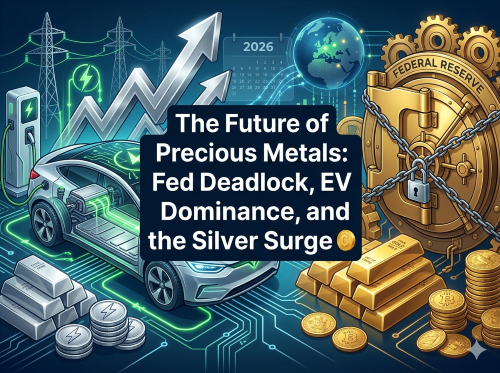
The landscape for precious metals in 2026 is becoming a fascinating study in economic contradictions. While traditional drivers like Federal Reserve policy are creating a "wait-and-see" atmosphere for gold, industrial revolutions in Europe are quietly fueling a massive fundamental shift for silver.
According to a recent market update from the experts at Heraeus, we are witnessing a unique pivot point. A divided Federal Reserve is tempering expectations for gold-boosting rate cuts, while the meteoric rise of Electric Vehicles (EVs) in the European Union is creating a robust floor for silver demand. Here is a deep dive into the trends shaping the bullion market today.
For decades, the golden rule of gold investing has been simple: lower interest rates equal higher gold prices. However, the current FOMC landscape is anything but simple.
The Federal Reserve recently signaled a period of stability, choosing to hold rates steady. While Fed Chair Jerome Powell acknowledged recent inflationary pressures—specifically those triggered by the closure of the Strait of Hormuz and new trade tariffs—the central bank appears unmoved. Powell indicated that the Fed views these price hikes as transitory or expected, rather than a signal to tighten monetary policy further.
The real story, however, lies in the internal division. The FOMC is currently split, with several members pushing for a more "hawkish" (aggressive) stance on inflation, while others are already calling for cuts. This deadlock means that the "gold-boosting" rate cut many investors hoped for in 2026 may stay off the table for the foreseeable future. With Kevin Warsh poised to potentially take the helm as the next Chairman, the market is bracing for a new era of monetary philosophy that could redefine gold’s trajectory.
The gold market is also grappling with shifts in physical supply and investment vehicles. Newmont, the world’s leading gold producer, reported a 13% year-on-year decline in production for Q1 2026. While site interruptions and mine divestments contributed to this dip, the company’s financial health remains remarkably strong due to elevated gold prices.
Interestingly, institutional appetite through ETFs (Exchange Traded Funds) has cooled slightly. US-based gold ETF holdings have retreated from their February peaks, aligning closely with current price fluctuations. This suggests that while long-term confidence remains, short-term investors are moving to the sidelines as they navigate the Fed’s mixed signals.
While gold navigates macroeconomic hurdles, silver is finding its strength in the industrial sector—specifically within the European Union’s automotive transition.
In the first quarter of 2026, Battery Electric Vehicles (BEVs) captured nearly 20% of the EU market share. When you include hybrids, electrified vehicles now dominate the majority of new registrations, while traditional internal combustion engine (ICE) cars continue to lose ground.
Silver is the most conductive metal on earth, making it indispensable for modern green technology. The Heraeus report highlights a staggering statistic: EVs require roughly 75% more silver than traditional gasoline vehicles. A single EV can contain between one and two ounces of silver.
Furthermore, the "hidden" demand lies in the infrastructure. High-speed DC charging stations are silver-hungry, with some units requiring up to 50 ounces of the metal depending on their power rating. As Europe aggressively builds out its charging network to support the growing fleet of EVs, the industrial demand for silver is expected to remain a powerful counterbalance to any volatility in investment demand.
Currently, silver faces a curious paradox. While industrial demand is surging, silver ETF holdings have seen a steady decline since the start of the year. This suggests a disconnect between the "paper" market and the physical reality of global manufacturing.
As the silver price stabilized following its March lows, analysts are watching to see if the massive silver requirements of the green energy transition will eventually force a reversal in ETF outflows. If industrial scarcity meets a return of investor interest, the "gray metal" could be set for a significant breakout.
The precious metals market in 2026 is no longer just about inflation hedging; it is about technological integration and central bank politics. Gold remains the ultimate barometer of Fed sentiment, currently held in check by a divided board. Silver, meanwhile, is tethering its future to the wheels of the EV revolution.
For those looking to understand the nuances of these market shifts, staying informed on both geopolitical events and industrial trends is more critical than ever.
For more detailed information and the original data points, visit the full report here:
Disclaimer: This article is provided for informational purposes only, mistakes may be made, and it's not offered or intended to be used as legal, tax, investment, financial, or any other advice.