x




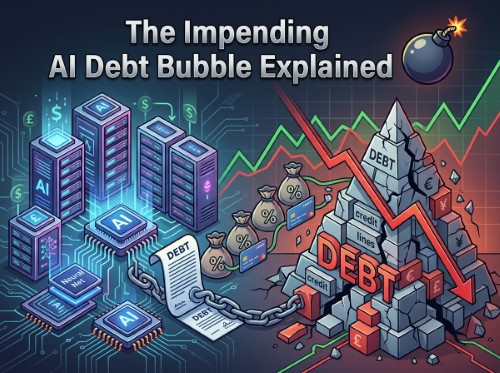
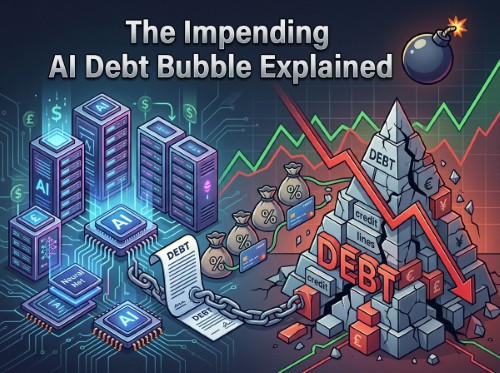
For over two years, financial markets enthusiastically rewarded every single pound and dollar poured into artificial intelligence. However, a seismic shift is occurring behind the scenes. The narrative surrounding the AI boom has quietly transformed from incredible revenue growth into a high-stakes credit cycle.
Recent announcements from leading technology giants reveal that the massive buildout of AI infrastructure is no longer being funded entirely by record profits. Instead, it is being fuelled by unprecedented corporate debt, private credit, and complex off-balance sheet arrangements.
Historically, hyperscalers such as Alphabet, Amazon, Microsoft, and Meta operated as virtually unstoppable cash generation engines. Their dominant core businesses—search, e-commerce, cloud computing, and digital advertising—provided vast rivers of free cash flow capable of funding ambitious new ventures effortlessly.
That dynamic has changed dramatically as capital expenditure on AI hardware and data centres spirals toward astronomical figures. Aggregate AI-related infrastructure spending across major tech operators is projected to approach a staggering trillion dollars annually.
This hyper-aggressive capital allocation is rapidly eroding corporate balance sheets:
When profit margins can no longer fully cover the sheer volume of server racks, microchips, and energy infrastructure required, companies must look elsewhere for capital.
To bridge the growing gap between cash flow and expenditure, technology companies have turned heavily to the bond markets. Tech-related debt issuance has surged, representing a rapidly expanding share of all corporate bond offerings worldwide.
Beyond traditional corporate bonds, an immense volume of financial liability is being moved off balance sheets altogether:
Data Centre Lease Commitments
Major tech players have signed hundreds of billions of pounds in future lease commitments for data centre facilities that, in many cases, have not even been built yet.
Private Credit Integration
With traditional commercial banks approaching their maximum exposure limits for single sectors, financing has migrated toward private credit funds. Millions of pounds in private loans are now backed by data centres and physical graphics processing units (GPUs) serving as underlying collateral.
One of the most alarming aspects of this current cycle is the emergence of circular financing structures—commonly known as vendor financing. In this setup, chipmakers and capital groups help arrange or guarantee debt for third-party entities, who then use those funds to purchase the vendor's hardware.
The Bank for International Settlements (BIS) recently flagged circular AI financing as one of the top systemic risks to global financial stability. The structural risk lies primarily in a severe asset-liability mismatch:
Financing short-lived hardware with long-dated financial debt creates a fragile balance sheet. If artificial intelligence monetisation fails to generate sufficient revenue before the underlying hardware becomes obsolete, the debt remains long after the hardware's value has evaporated.
Even if you do not actively invest in individual technology stocks, the structural re-engineering of the AI market carries widespread macroeconomic implications for everyday consumers and pension holders.
High Index Concentration
Major market indices like the S&P 500 are heavily weighted toward a tiny cluster of mega-cap tech companies. Because these handful of names account for a massive percentage of total market value, any sharp valuation adjustment in the AI sector directly impacts workplace pensions, index-tracker funds, and broad investment portfolios.
Rising Cost of Borrowing
The sheer volume of debt being issued by tech giants creates fierce competition for available capital in global bond markets. This massive demand pushes corporate bond yields higher, effectively raising borrowing costs for non-tech industries such as manufacturing, utilities, healthcare, and consumer goods.
The Telecom Parallel
Financial analysts frequently compare the current AI infrastructure rush to the fibre-optic buildout of the late 1990s. Back then, telecom providers accumulated vast debt to lay thousands of miles of internet cables. While the underlying demand thesis for the internet was entirely correct, the monetisation arrived a decade later than expected, resulting in widespread debt restructuring and severe write-downs.
The artificial intelligence sector is locked in a high-stakes race against time. The question is no longer merely whether AI technology will change the world, but whether revenue models can scale fast enough to service the unprecedented mountain of corporate debt underpinning the buildout.
Coin Bureau - The AI Bubble is About To Hit EVERYTHING
"Nvidia’s new $500 billion deal with Wall Street just shook the entire AI trade. Instead of a bull run, we saw a $130 billion wipeout—and it all comes down to debt, not growth. We’ll unpack why the biggest AI financing move so far triggered a negative reaction, and what it says about the true risk building in tech.
Don’t miss the breakdown: we connect the dots from AI’s runaway spending to hidden leverage, warning signs in corporate debt, and how the fallout could touch your own portfolio, even if you think you’re not in tech."
~ TIMESTAMPS ~
0:00 – Nvidia’s $500B Deal Backfires?
2:25 – Big Tech’s Cash Machines Emptying
4:51 – Oracle Downgraded Over OpenAI Reliance
7:16 – The AI Hardware Debt Trap
9:43 – Is Compute the New Mortgage Subprime?
12:08 – AI Funding Is Crowding Out Everyone Else
14:35 – Dot-Com Fibre Mania 2.0?
16:59 – The Tech Bubble is Now a Credit Crisis
Source 👉 https://www.youtube.com/watch?v=KJET0eprLSA
Disclaimer: This article is provided for informational purposes only, mistakes may be made, and it's not offered or intended to be used as legal, tax, investment, financial, or any other advice.