x




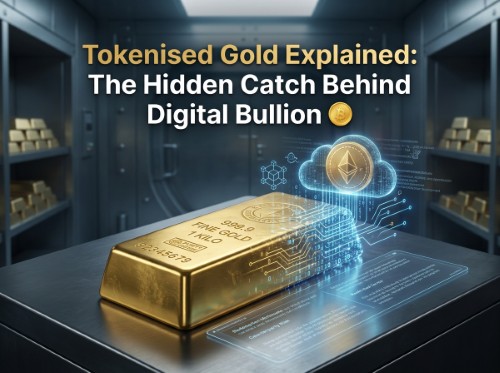
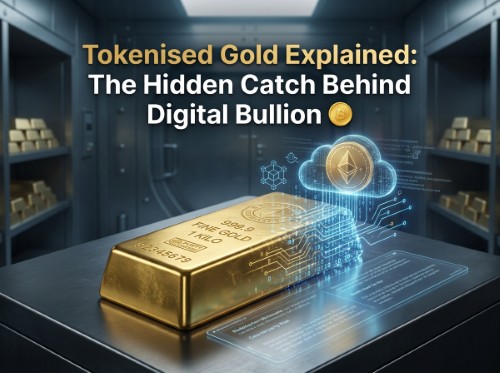
The promise of tokenised gold sounds almost irresistible: all the historical inflation-hedging power of physical precious metals combined with the instant, 24/7 liquidity of blockchain technology.
By converting physical bullion into cryptographic tokens, digital asset platforms offer seamless cross-border transfers, micro-fractional ownership, and integration into decentralized finance (DeFi). Leading products like Paxos Gold (PAXG) and Tether Gold (XAUT) have seen surges in market adoption, establishing themselves as the standard-bearers of digital commodity claims.
However, marketing slogans declaring tokenised gold to be "just like owning physical gold" gloss over critical differences. When you peer beneath the digital wrapper, you find high physical redemption thresholds, administrative friction, and underlying counterparty risks.
Here is a breakdown of how tokenised gold actually works, where the pitch breaks down, and why holding a digital token is fundamentally distinct from storing physical bullion in a vault.
Tokenised gold is a digital claim issued on a blockchain that represents a fixed quantity of physical gold held by an institutional custodian. Typically, one token represents one fine troy ounce of physical bullion.
The market is dominated by two primary issuers, which together accounted for 89.1% of the category’s growth in the first quarter of 2026:
A Crucial Distinction: Gold Tokens Are Not Stablecoins
A common misconception is categorising tokenised gold as a "stablecoin". Standard payment stablecoins are pegged to a fiat currency (such as the US Dollar) and aim to maintain a fixed monetary unit value.
In contrast, gold tokens track the floating spot price of physical gold in real time. Holding a gold token exposes you to the exact same price volatility as holding physical metal—it is simply denominated in metal rather than fiat currency.
There are legitimate reasons why digital gold claims have gained traction among traders and crypto-native investors:
While the ease of digital trading is real, the claim that holding a token is equivalent to owning physical gold collapses when you attempt to redeem the token for actual metal.
For the vast majority of retail holders, direct physical redemption is practically out of reach.
The Minimum Threshold Problem
Consider the redemption mechanics for PAX Gold:
Similarly, Tether Gold’s physical redemption process requires navigating direct corporate identity verification (KYC), substantial minimum submission thresholds, and administrative settlement timelines.
For the average investor, a gold token does not function as an instantly redeemable claim on physical bullion. It functions as a digital exposure to gold’s price, governed by corporate terms and conditions.
The foundational appeal of physical gold has always been its status as an asset that carries zero counterparty risk. A physical bar stored in your direct possession or in an unencumbered allocated vault does not depend on any company’s ongoing solvency, operational health, or software integrity.
Tokenised gold reintroduces multiple layers of counterparty dependency:
The legal classification of digital gold adds another layer of complexity.
The US legislative landscape introduced significant regulatory developments for digital assets, such as the GENIUS Act, which created a federal oversight framework for "payment stablecoins". This legislation set strict reserve standards, mandatory redemption rights, and disclosure rules for fiat-pegged tokens.
However, because gold tokens float in value according to commodity spot markets rather than maintaining a fixed fiat peg, they fall outside payment stablecoin frameworks.
Current Legislative Uncertainty
Consequently, fiat stablecoins operate under increasingly defined legal frameworks, whereas gold-backed tokens occupy a regulatory middle ground.
To evaluate which asset structure aligns with your investment strategy, it is helpful to contrast how their operational rules compare:
Is tokenised gold the same as a gold ETF?
No. A gold ETF share represents an equity interest in a regulated fund that holds gold bullion, traded exclusively through traditional stock brokerages during market hours. A gold token is a cryptographic claim issued on a blockchain by a private company, trading 24/7 across crypto markets.
What fees are associated with tokenised gold?
While tokenised gold generally avoids ongoing storage fees for token holders, transactions incur network gas fees. Additionally, issuers charge fees for token creation and physical redemption—such as Tether Gold’s 0.25% fee on purchases and redemptions.
What happens if an issuer experiences operational or financial distress?
If an issuer encounters insolvency or legal freeze orders, token holders are subject to the issuer's terms and conditions. Issuers maintain operational discretion to pause or modify redemption workflows, meaning token holders face corporate settlement risks that physical gold owners do not share.
Tokenised gold solves genuine friction points for active market participants. It allows traders to rebalance portfolios into precious metal exposure instantly, transfer value across borders without shipping physical bullion, and leverage holdings within digital credit markets.
However, a digital claim on a corporate vault governed by contractual terms is fundamentally different from owning unencumbered physical metal. If your primary goal is speculative trading, seamless portfolio management, or crypto-collateralization, tokenised gold provides unparalleled convenience. But if your objective is absolute capital preservation free from counterparty risk, physical metal remains irreplaceable.
Disclaimer: This article is provided for informational purposes only, mistakes may be made, and it's not offered or intended to be used as legal, tax, investment, financial, or any other advice.