x





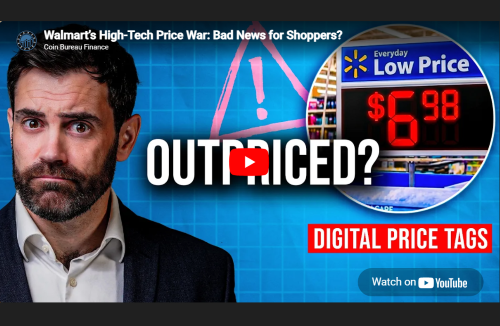
"Walmart wants all US price tags to go digital by the end of 2026. That might sound standard in the digital age we’re living in, but that could mean a lot more than easier shelf updates.
In this video, we look at where digital price tags came from, why retailers are rolling them out so aggressively, and what they could enable next. We cover the good (price markdowns), the bad (price surging), and the outright ugly (surveillance pricing).
Watch now, because your grocery store of choice might be about to change in a very big way."
~ Coin Bureau
Walmart is leading a major shift in retail by replacing traditional paper price tags with digital shelf labels, a move that is expected to go chainwide within the next year. While the company maintains that this technology is primarily intended to improve operational efficiency and reduce labor costs, it has sparked significant debate regarding the potential for dynamic or surveillance pricing. Critics and regulators expressed concern that these digital displays allow for instant, centralised price updates that could eventually lead to surge pricing or personalised costs based on consumer data. Although some benefits exist, such as reducing food waste through automated markdowns on expiring goods, the rollout has prompted legislative scrutiny and new bills aimed at protecting shoppers from algorithmic price gouging. As this trend spreads internationally across various retail sectors, consumers are being encouraged to stay vigilant about how their data and shopping habits might influence the prices they see on the shelf.
0:00 The Shelf Is Going Digital
4:13 How We Got Here
7:16 Why Retailers Want This
11:07 What This Could Turn Into
15:28 What’s Next?
Source - Coin Bureau Finance YouTube: https://www.youtube.com/watch?v=iyK7mI5ubUo
Disclaimer: This video is provided for informational purposes only, and not offered or intended to be used as legal, tax, investment, financial, or any other advice.