x




"Markets feel more unpredictable than ever, with headlines, geopolitics, and narratives often outweighing charts, fundamentals, and traditional indicators. In this episode, we break down whether analyzing markets still makes sense in a world driven by tweets, sentiment, and sudden macro shocks.
We also explore the deeper shift happening beneath the surface—where crypto adoption may be drifting toward centralization, institutional control, and increased regulation. Is this the future we wanted, or the trade-off we didn’t fully understand?"
~ Coin Bureau
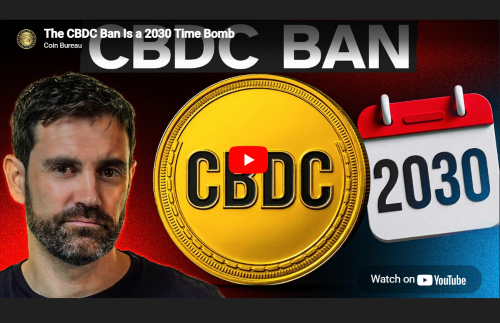
The video examines the US Senate’s 2026 vote to ban central bank digital currencies, arguing that the legislation is a deceptive temporary moratorium rather than a permanent victory for financial privacy. Guy explains that a hidden sunset clause causes the ban to expire at the end of 2030, potentially allowing a future administration to implement a digital dollar without further legislative hurdles. While the public retail version is restricted for now, the government is reportedly outsourcing the necessary surveillance and control infrastructure to private stablecoin issuers and continuing research into wholesale digital currencies. The video concludes that these political and technical manoeuvres create a false sense of security while ensuring the architecture for a programmable surveillance-based currency is ready for state adoption by the end of the decade.
0:00 Are markets still driven by fundamentals?
0:28 Why headlines now move crypto more than charts
1:23 The “tweet economy” and market manipulation risks
2:11 Is technical analysis becoming useless?
3:35 Mass crypto adoption: blessing or trap?
5:23 How regulation is reshaping crypto’s future
7:56 The rise of institutions in crypto markets
8:50 Are ETFs and stablecoins killing decentralization?
10:44 KYC, AML, and the loss of financial freedom
16:25 What this means for crypto investors going forward
Source - Coin Bureau YouTube: https://www.youtube.com/watch?v=OdMQysMyWzA
Disclaimer: This video is provided for informational purposes only, and not offered or intended to be used as legal, tax, investment, financial, or any other advice.