x




For years, one of the most popular mantras in cryptocurrency was "ultrasound money". Ever since Ethereum introduced fee burning through EIP-1559 back in 2021, supporters argued that as network activity surged, burning transaction fees would reduce ETH supply and drive its market value higher. It was an attractive narrative—a built-in mechanism that linked network usage directly to scarcity.
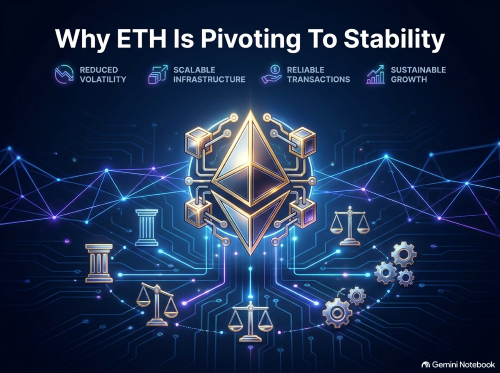
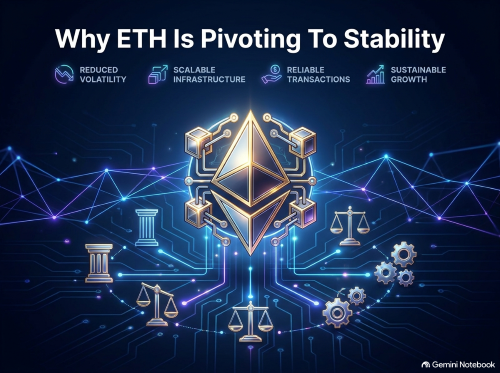
However, Ethereum co-founder Vitalik Buterin has called time on that perspective. In a fresh pivot for Ethereum's core messaging, Buterin argued that ETH should be valued as a resilient store of value (SoV) rather than a fee-burning asset. In his view, Ethereum's true foundation doesn't rest on burning tokens; it relies on network stability, decentralisation, censorship resistance, and robust security.
The logic behind viewing ETH as a fee-burning token relied on standard Net Present Value financial theory: higher fee revenue leads to more tokens burned, creating a pseudo-dividend for holders. But Buterin pointed out that this fee burn was "never a true floor" for valuation.
In reality, historical spikes in fee burning were largely fuelled by temporary internal crypto activity, such as speculative NFT mints and decentralised finance lending, rather than steady real-world demand. Furthermore, the rise of Layer-2 scaling solutions has transformed how users interact with Ethereum. As transactions shift off the main network, users pay negligible fees, drastically reducing overall mainnet fee burns.
Attempting to engineer higher mainnet fee burns to justify a massive market cap would mean intentionally keeping gas prices high. As Buterin explained in his detailed post on X, forcing Ethereum to act like a revenue-maximising corporation directly conflicts with its fundamental mission. Optimising purely for corporate-style cash flows creates centralised pressure points and damages capture resistance.
Instead of chasing artificial token supply dynamics, Buterin stresses that Ethereum's primary value proposition is predictable stability. When market participants allocate assets to Ethereum, they are buying into an infrastructure that cannot easily be shut down, altered, or censored.
In an increasingly volatile technological landscape marked by rapid artificial intelligence disruption, structural stability becomes a pragmatic necessity rather than just an ideological choice. Institutional and individual asset holders require a reliable digital ledger that remains impartial regardless of macroeconomic or political shifts.
This shift in framing has found strong backing among developers and researchers across the ecosystem. Figures at Ethlabs, including Binji Pande and Julian Ma, contend that Ethereum is exceptionally positioned as a future-proof store of value—outperforming traditional alternatives like gold and even Bitcoin in key dimensions.
While gold has served as the historic standard for value preservation, physical constraints hinder its global portability. On the digital front, Bitcoin has long held the "digital gold" title, yet concerns linger over its long-term resistance to emerging quantum computing threats and AI-driven cyberattacks.
Ethereum has been actively preparing for these technological shifts. The Ethereum Foundation established a dedicated post-quantum research team to fortify the network's cryptographic defences. Coupled with years of heavy investment in formal protocol verification and deep-rooted security culture, Ethereum offers an adaptable platform built to withstand upcoming technological shocks.
Furthermore, ETH benefits from transparent distribution. With the Ethereum Foundation holding less than 0.2% of the circulating supply and over a decade of open market trading, ETH avoids the heavy insider centralisation that plagues newer blockchain tokens.
Not everyone in the community feels this realisation arrived quickly enough. Industry builders, such as Enso CEO Connor Howe, noted in Decrypt's coverage of Vitalik's announcement that Layer-2 expansion had made the fee-burning thesis impractical some time ago. While agreeing with Buterin's stance, some ecosystem participants emphasise that core leadership must continue actively listening to application developers building on top of the network.
Nevertheless, moving away from the "ultrasound money" branding signals a mature phase for Ethereum. Rather than presenting ETH as a speculative mechanics token tied to gas spikes, Ethereum's leadership is anchoring its monetary thesis on what matters most in global finance: uncompromising security, decentralised governance, and long-term stability.
Disclaimer: This article is provided for informational purposes only, mistakes may be made, and it's not offered or intended to be used as legal, tax, investment, financial, or any other advice.