x




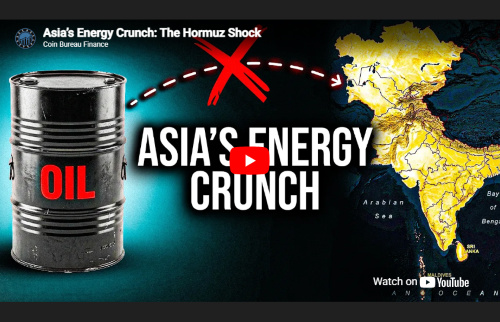
"Asia’s energy lifeline runs through one of the world’s most vulnerable chokepoints, and the consequences are starting to spread far beyond oil prices alone.
In this video, we look at which Asian economies are most exposed, how long key countries may be able to hold out, and why the fallout could hit industry and global markets in a big way.
If this keeps escalating, the damage may not stay regional for very long. Watch now to find out exactly how Asia’s energy crisis has major implications for the global economy."
~ Coin Bureau
The video discusses the severe impact of a Middle Eastern energy crisis on Asia, highlighting that the region is the first and hardest hit due to its heavy reliance on oil and gas passing through the Strait of Hormuz. Because many Asian refineries are specifically designed for Gulf crude, replacing missing barrels is difficult and expensive, leading to spiked prices for alternative supplies and soaring freight costs. Different nations are managing the shock with varying degrees of resilience; while China and Japan have significant strategic reserves, others like India, South Korea, and Thailand are more vulnerable to immediate economic disruption and inflation. The crisis extends beyond fuel to include shortages in petrochemicals, fertilisers, and industrial materials like aluminium and helium, threatening global supply chains and food security. Ultimately, the summary suggests that while emergency stock releases can provide a temporary bridge, a prolonged disruption could lead to a combined hit of high inflation and low growth across the global economy.
0:00 Asia: Where The Shock Lands
4:10 The Uneven Impact
7:42 What Crisis Mode Looks Like
11:28 What Markets Are Pricing
15:45 How It Goes Global
Source - Coin Bureau Finance YouTube: https://www.youtube.com/watch?v=7vipp1RfcFU
Disclaimer: This video is provided for informational purposes only, and not offered or intended to be used as legal, tax, investment, financial, or any other advice.