x




 |
|
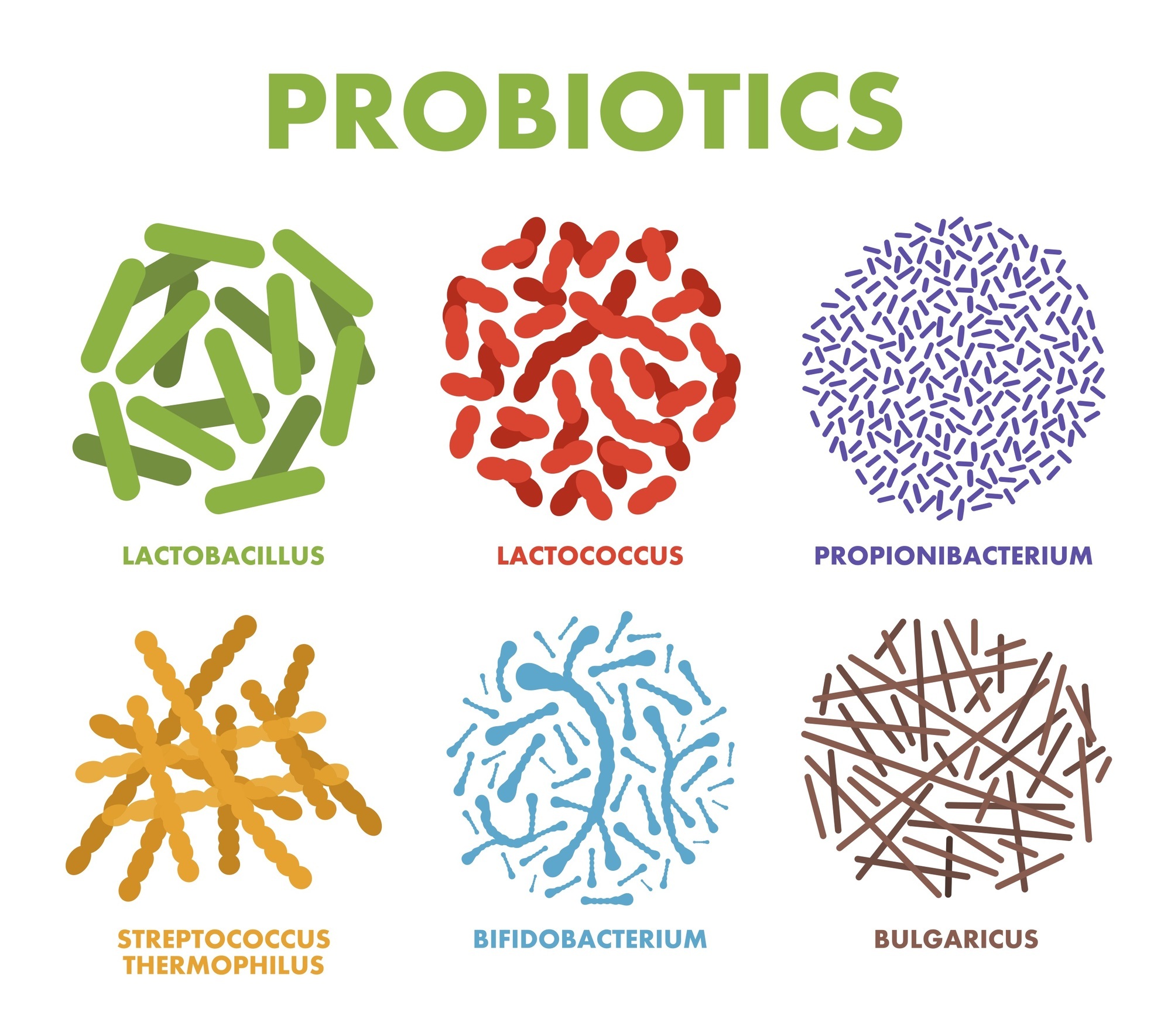
Probiotics are live microorganisms, including bacteria and yeasts, that naturally reside in the human digestive system and contribute to the composition of your gut microbiota. These microorganisms, often referred to as beneficial bacteria, promote a diverse intestinal microbiome. Maintaining microbial diversity in your gut is crucial for healthy immune system function, metabolic balance, and optimal digestion.
If you’ve ever taken a probiotic and felt like it didn’t really do anything, there’s a good chance it wasn’t your imagination. Most people pick a probiotic based on the CFU number (colony-forming unit) — the count of live bacteria colonies printed on the label. The higher the number, the better it must be, right? Not exactly. Here’s the problem nobody talks about: Most of those bacteria die before they reach your gut. Your stomach has a pH between 1.5 and 3—roughly the same acidity as battery acid. And one of the main jobs of that acid is to kill microbes. So when you swallow a standard probiotic—or even eat kefir or yogurt—most of those live bacteria get wiped out in your stomach before they ever make it to where they actually need to go. That means the CFU number on the label can be almost meaningless if the capsule can’t protect those bacteria from your stomach acid. You should consult the pharmacist or doctor what probiotics are the best for you.
But there are not only capsules. Probiotic beverages that really work for gut health Two possibilities - kefir and kombucha Kefir is a milk-based beverage fermented with grains of a specific blend of beneficial bacteria and yeast. Kombucha is made by brewing tea with sugar and then fermenting it with a symbiotic colony of bacteria and yeast.
So what does a healthy gut really do for you? These microbes produce short-chain fatty acids that fuel the cells lining your colon and keep your gut barrier strong. They support your immune system—in fact, between 70 and 80% of your immune defenses live in your gut, year-round. And when the right bacteria are thriving, that downstream effect touches your energy, your digestion, your skin, and how you feel every day. A healthy gut microbiome profoundly benefits overall health and well-being, supports optimal digestive functions, and reduces the risk of various chronic health issues.
When to start taking probiotics before travel Travelling and going on holiday – particularly abroad – can have a noticeable impact on gut health and digestion. Changes in time zones, dietary habits, water sources and even increased stress levels can disrupt the balance of gut bacteria For best results, it is recommended to start taking a probiotic supplement at least a week before travel and continue throughout your trip. This gives the beneficial bacteria time to establish in your gut and offer protection during your travels. Wishing you good health Margaret
|