x



Czech Easter
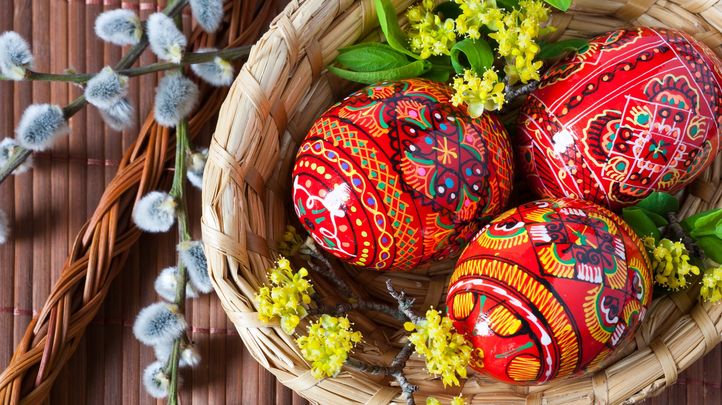
Dyeed eggs are called Easter eggs. In Czech they are called "kraslice". There are two theories about the origin of their name. According to one, they are decorated or embellished eggs, according to the other, it all comes from the old meanings of the word beautiful = in Czech krásný - meaning they are eggs that are radiant, shiny, colorful, very often red, like fire.
They are not only used as decorations or as a reward for carolers, they also have a symbolic meaning. Eggs are considered a symbol of birth or fertility. Dyeing Easter eggs is one of the popular Easter traditions. Boiled or blown eggs are used for dyeing. There are no limits to their decoration, and various techniques, methods of decoration, colors or ornaments and motifs are used. The appearance is often based on various regional customs. Dyed eggs serve as a reward for a caroler for a girl or woman.
Baking Judas, Mazanec and Lambs
 Judas (jidáše)
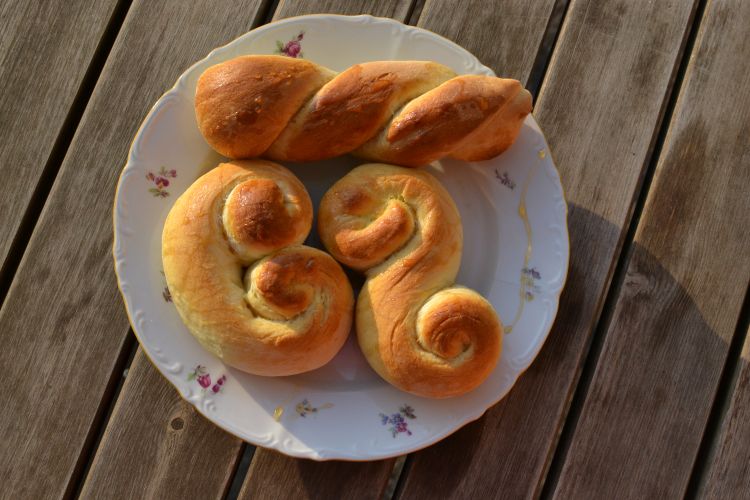
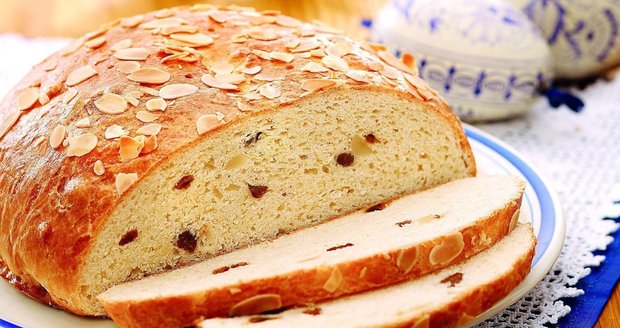
Judas are baked on Holy Thursday and should have the shape of a tangled cylinder. This is a reminder of the rope on which Judas Iscariot hanged himself after betraying Jesus Christ. Mazanec is another popular delicacy that is prepared in households during the Easter period. It is usually baked on Holy Saturday and eaten the following day, on Easter Sunday. It is usually prepared from Christmas dough and everyone prepares it a little differently, some add raisins or, for example, almonds. Originally, Mazanec was prepared salty, not sweet as we know it today. Easter lamb is one of the most popular Easter dishes and is almost always on the table. The lamb is then decorated with a bow, for example, and should be a decoration of every Easter table. The lamb is a symbol of purity, innocence and obedience. Jesus Christ, who shed his blood and sacrificed himself for the salvation of the world and deliverance from sin, was referred to as the Lamb of God.
 mazanec
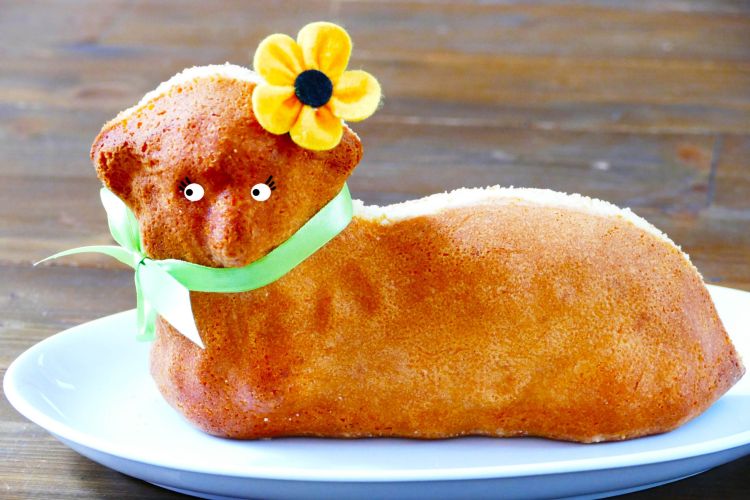 Lamb = beránek
Knitting pomlázka and caroling
Pomlázka is certainly one of the symbols of Easter. The tradition of knitting it dates back to the Middle Ages. On Easter Monday, boys and men go out to carol and go around girls and women, and by "pulling" them, they pass on youth, flexibility and freshness from willow twigs. In return, women used to tie decorative bows of different colors to the ends of the braided twigs for men, which had different meanings.
During the caroling, boys and men recite various poems or nursery rhymes and are rewarded with painted eggs or other treats. The pomlázka should be newly woven every year from fresh willow twigs (from 4 to 12).
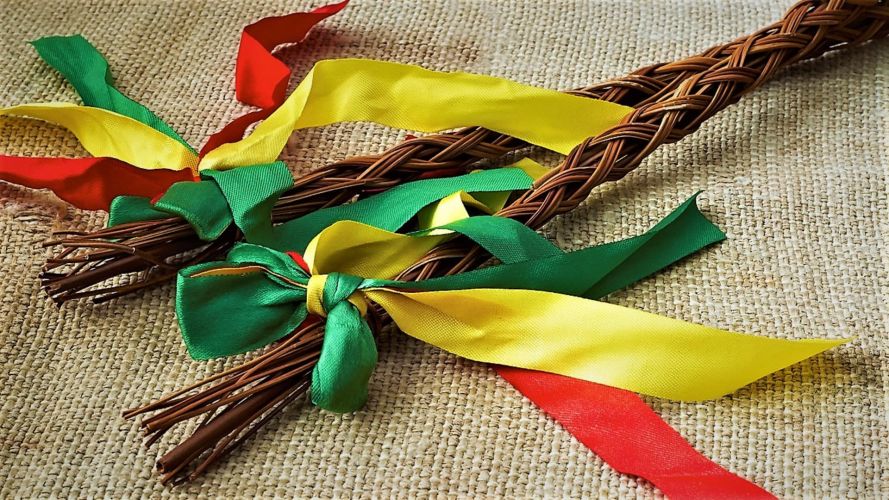
Happy and blessed Easter
Margaret