x




Heat waves changing European rivers
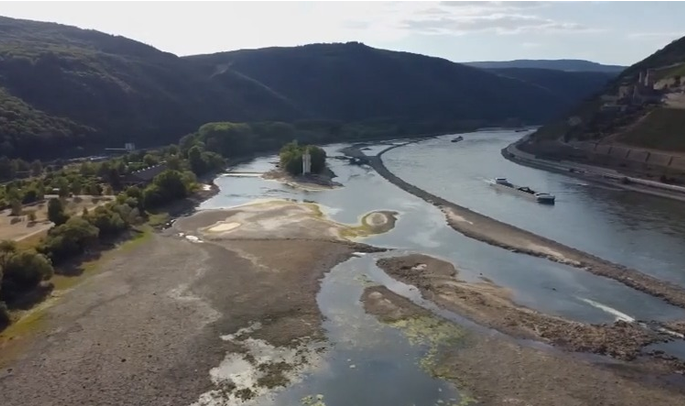
This summer's extreme heat waves are causing Europe's major rivers to dry out at an alarming rate. The Danube is one of the most affected rivers. Comparative satellite images have now shown how significantly its level has dropped compared to the same period last year. The dried-up riverbed is visible in parts of the river from Germany to the Black Sea.
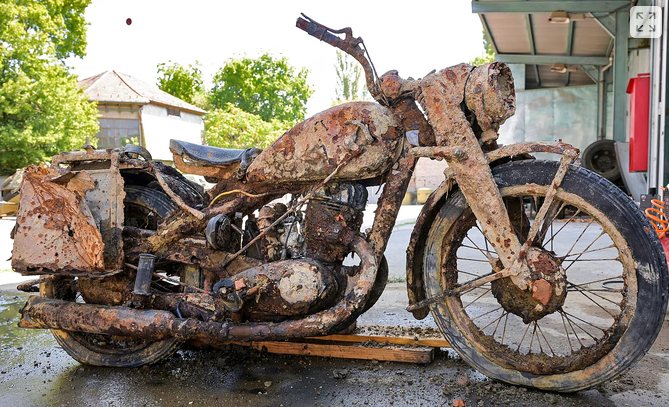
The drying up Danube River continues to reveal its treasures. A long-sunken Nazi ship has surfaced off the Serbian town of Prahovo, and a German military motorcycle with human remains has been found directly opposite the Hungarian parliament.
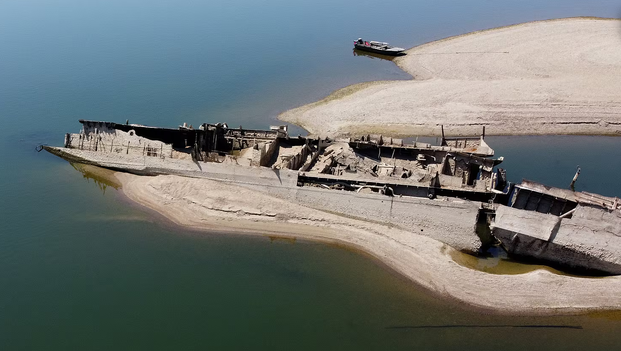
The recovery of dozens of wrecks will continue, but some may still be loaded with ammunition, making the delicate task even more difficult. At least in this regard, the falling river level may help.
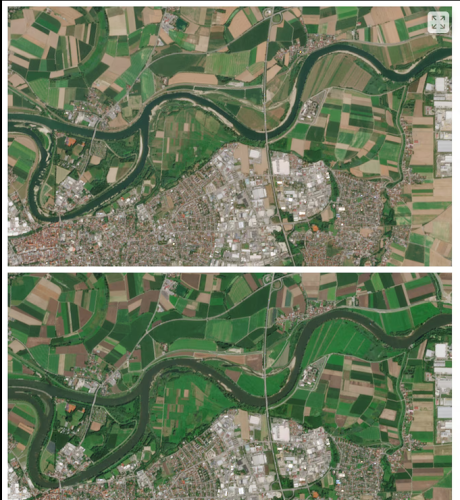
Europe's second longest river, the Danube, is reporting record lows in many places, limiting shipping along its 2,850-kilometer course. In Slovakia and Romania, the water level has dropped to its lowest level in thirty years, and in Hungary it has even fallen to an all-time low. Satellite images show the river near Straubing, Germany, on August 3, 2026 (top) and August 8, 2025 (bottom).
Situation on Rhine - another big European river
This year's drought could further fuel inflation in Germany. The Rhine is at record lows, limiting shipping. A large part of the tankers that supply the country with fuel have also had to stop. More than a tenth of all oil products travel to Germany via the Rhine, and the regions on its banks are literally dependent on tankers. However, the river is not navigable in many places, and a large part of the ships have to wait.
Meanwhile, river transport prices are rising significantly because ships cannot be fully loaded and customers have to pay extra for free space.