This Blog Post is now in the queue for publishing as requested.
Depending on transfer load expect completion in around 15 minutes or 60 minutes if it has just been published by the owner.
This Blog Post has been removed from the queue for publishing as requested.
Introduction to the Prostate
Posted by
Otto Knotzer on April 11, 2025 - 7:55am
The prostate is a small, walnut-sized gland located just below the bladder in men. Despite its size, the prostate plays a crucial role in male reproductive health, producing a significant portion of the fluid that makes up semen. However, the prostate is also prone to various health issues, including benign prostatic hyperplasia (BPH), prostatitis, and prostate cancer. Understanding the anatomy, function, and common issues related to the prostate is essential for maintaining optimal prostate health and seeking timely medical intervention when needed. This article will delve into the intricacies of the prostate gland, discussing its anatomy, common health concerns, screening methods, treatment options, and lifestyle factors that can influence prostate health.
Introduction to the Prostate
What is the Prostate Gland?
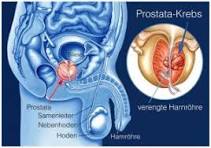
The prostate gland, a small but mighty organ, is a crucial part of the male reproductive system. It's about the size of a walnut and sits below the bladder, surrounding the urethra like a friendly neighbor giving it a protective hug.
Importance of Prostate Health
Keeping your prostate happy and healthy is key to maintaining overall well-being. A happy prostate means less bathroom breaks in the middle of the night and more comfortable intimate moments. So, giving a little TLC to this often underappreciated gland is definitely worth it.
Anatomy and Function of the Prostate Gland
Location and Structure of the Prostate
Located just below the bladder and in front of the rectum, the prostate is perfectly positioned to cause a bit of trouble if it decides to misbehave. Its structure includes lobes and ducts, all playing a role in its main functions.
Functions of the Prostate
The prostate is a multitasker, being responsible for producing a milky fluid that mixes with sperm to create semen. It's like the supportive maestro in an orchestra, playing its part to ensure a harmonious reproductive performance.
Common Prostate Health Issues
Benign Prostatic Hyperplasia (BPH)
BPH, also known as that pesky-pee-at-night syndrome, is when the prostate decides to throw a block party around the urethra, causing all sorts of bathroom drama for men. It's like having a neighbor who loves to throw loud parties right next to your bedroom.
Prostatitis
Prostatitis is the unwelcome guest at the prostate party, causing inflammation and discomfort. It's like that one friend who never knows when to leave, overstaying their welcome and causing all kinds of chaos.
Prostate Cancer: Causes, Symptoms, and Treatment
Risk Factors for Prostate Cancer
Prostate cancer loves playing hide and seek, often showing no symptoms until it's in advanced stages. Risk factors include age, family history, and possibly a sprinkle of bad luck.
Signs and Symptoms of Prostate Cancer
When it finally decides to make an appearance, prostate cancer may bring along symptoms like trouble urinating, back pain, or unexpected weight loss. It's like that late RSVP guest at a party who turns up unannounced and causes a stir.
Treatment Options for Prostate Cancer
Treatment options for prostate cancer range from active surveillance (keeping an eye on it) to surgery, radiation therapy, or even hormone therapy. It's like throwing everything (including the kitchen sink) at that party crasher to show it who's boss.
Screening and Diagnosis of Prostate Conditions
When it comes to prostate health, screening and diagnosis are crucial. Two common methods used for this purpose are:
Prostate-Specific Antigen (PSA) Test
The PSA test measures levels of a protein produced by the prostate gland. Elevated PSA levels may indicate various prostate conditions, including cancer. However, it's important to note that high PSA levels can also result from non-cancerous conditions.
Digital Rectal Exam (DRE)
During a DRE, a healthcare provider inserts a gloved, lubricated finger into the rectum to feel the prostate for any abnormalities. While this test may not be the most comfortable, it is a valuable tool in diagnosing potential issues with the prostate gland.
Lifestyle Factors for Prostate Health
Maintaining a healthy lifestyle can significantly impact prostate health. Here are some lifestyle factors to consider:
Diet and Nutrition for Prostate Health
A diet rich in fruits, vegetables, whole grains, and lean proteins is beneficial for prostate health. Some studies suggest that foods like tomatoes, which are high in lycopene, may be particularly beneficial.
Exercise and Physical Activity Recommendations
Regular physical activity can help reduce the risk of prostate issues. Aim for at least 150 minutes of moderate exercise per week. Activities like brisk walking, swimming, or cycling can all contribute to overall prostate health.
Prostate Health Supplements and Treatments
In addition to lifestyle habits, some supplements and treatments may support prostate health:
Common Supplements for Prostate Health
Supplements like saw palmetto, beta-sitosterol, and pygeum are commonly used to support prostate health. However, it's essential to consult with a healthcare provider before taking any supplements, as they can interact with medications or have side effects.
Alternative Therapies for Prostate Conditions
Some individuals explore alternative therapies such as acupuncture, herbal remedies, or prostate massage to manage prostate conditions. While these approaches may offer some relief for symptoms, scientific evidence supporting their effectiveness is limited.
Future Directions in Prostate Health Research
The field of prostate health is constantly evolving, with new advancements and technologies on the horizon:
Advancements in Prostate Cancer Treatment
Researchers are continuously working on improving treatment options for prostate cancer, including targeted therapies and immunotherapies. These advancements aim to increase treatment effectiveness while minimizing side effects.
Emerging Technologies for Prostate Health Monitoring
Innovations in health technology, such as non-invasive imaging techniques and biomarker analysis, offer new avenues for monitoring prostate health. These technologies may allow for earlier detection of prostate conditions and more personalized treatment approaches.In conclusion, prioritizing prostate health through awareness, regular screenings, healthy lifestyle choices, and prompt medical attention when necessary is crucial for maintaining overall well-being and quality of life. By staying informed and proactive about prostate health, individuals can empower themselves to make informed decisions and take control of their health journey. Remember, a proactive approach to prostate health can lead to early detection, effective treatment, and ultimately, better outcomes for a healthier and happier life.