x






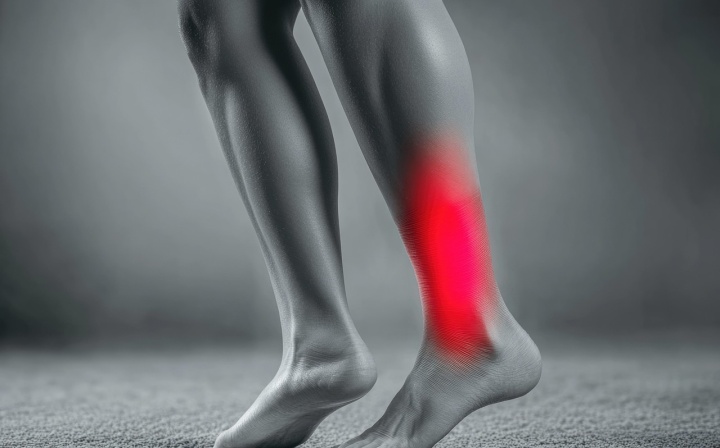
Ischias, also known as sciatica, is a real pain in the butt – literally. It refers to pain that radiates along the path of the sciatic nerve, which runs from your lower back through your hips and down each leg. This nerve is one of the longest in your body, so when it acts up, it's hard to ignore.
Ischias occurs when something puts pressure on the sciatic nerve, causing pain, tingling, or numbness in the lower back, buttock, and leg. It can be a real showstopper, making it hard to sit, stand, or do anything in between.
Imagine the sciatic nerve as the body's main electrical cable – it's thick, it's important, and when something goes wrong with it, you feel it all over. This nerve branches off from the lower back, travels through the buttocks, and down each leg, controlling the muscles and providing sensation to a large part of your lower body.
Ischias isn't picky when it comes to choosing its troublemakers. Here are a few common culprits:
When a disc in your spine slips out of place and irritates the nearby nerve roots – hello, ischias pain!
This condition occurs when the spinal canal narrows, putting pressure on the spinal cord and nerves – including the pesky sciatic nerve.
Your piriformis muscle, located deep in your buttocks, can go from friend to foe when it irritates the sciatic nerve running beneath or through it, causing that all-too-familiar pain down the leg.
Ischias has a flair for the dramatic when it comes to symptoms, often making its presence known with:
From a dull ache to a searing sensation, ischias pain can vary in intensity and location, following the path of the sciatic nerve down your back, buttock, and leg.
Doctors may perform tests like checking your reflexes, muscle strength, and sensation to pinpoint the source of your ischias torment.
X-rays, MRIs, and CT scans can help visualize what's going on inside your back and identify any troublemakers pressuring your sciatic nerve.
When your sciatic nerve feels like it's staging a rebellion, here are a few ways to calm the chaos:
Things like hot/cold therapy, rest, and gentle exercises can often soothe ischias woes without invasive interventions.
Pain relievers, muscle relaxants, and anti-inflammatories can help take the edge off ischias discomfort while you heal.
Stretching, strengthening, and posture correction exercises can not only help relieve current ischias symptoms but also prevent future flare-ups – a win-win for your sciatic nerve and your sanity.
Forget about touching your toes to impress anyone; focusing on regular stretching and strengthening exercises can do wonders for managing ischias. Incorporating exercises that target the muscles supporting the spine and pelvis can help alleviate pressure on the sciatic nerve. Remember, it's all about flexibility and strength, not a contortionist act.
Sit up straight, they said. Little did we know, it actually helps in preventing and managing ischias! Maintaining good posture, whether sitting at a desk or standing, can reduce the strain on your back and help ease symptoms. So, embrace your inner ballerina and channel that posture for some sciatic nerve relief.
While we're all for loving the skin you're in, excess weight can put added pressure on your spine and worsen ischias symptoms. Managing your weight through a healthy diet and regular exercise can reduce strain on your back and sciatic nerve. Plus, shedding those extra pounds may also lighten the load on your wallet when it comes to potential medical bills.
Ignoring your ischias symptoms is like pretending your annoying neighbor doesn't exist—it only gets worse with time. Untreated ischias can lead to chronic pain that interferes with daily activities and quality of life. So, don't let that sciatic nerve throw a tantrum; address it before it becomes a permanent pain in the backside.
Think of your muscles as your body's support system—neglecting ischias can weaken this crucial support network. Untreated ischias can lead to muscle weakness in the legs, making simple tasks like walking or climbing stairs a Herculean challenge. So, give your muscles the love they deserve, and they'll support you through thick and thin (yes, even through those awkward yoga poses).
When it comes to managing ischias, what you put on your plate matters more than you think. A diet rich in anti-inflammatory foods like fruits, vegetables, and omega-3 fatty acids can help reduce inflammation and alleviate ischias symptoms. So, swap those greasy fries for some avocado toast, and your sciatic nerve will thank you later.
Who says gadgets are just for tech geeks? When it comes to ischias, using adaptive equipment like ergonomic chairs or supportive cushions can make a world of difference. These tools help maintain proper posture and reduce strain on your back, giving your sciatic nerve the break it deserves. So, embrace your inner tech wizard and equip yourself for a pain-free journey.
Stay tuned for the latest in ischias research and treatment options. Scientists are constantly exploring new ways to manage and alleviate ischias symptoms, from innovative therapies to cutting-edge technologies. So, keep an eye out for future developments that could revolutionize the way we approach and treat this pesky nerve condition. Who knows, the next breakthrough could be just around the corner!In conclusion, navigating the complexities of Ischias requires a holistic approach that encompasses proper diagnosis, effective treatment, preventive measures, and ongoing management strategies. By staying informed about the condition and working closely with healthcare professionals, individuals can better manage and alleviate the symptoms of Ischias, ultimately improving their quality of life and overall well-being. Stay proactive, seek support, and prioritize self-care to effectively address and cope with Ischias.