x




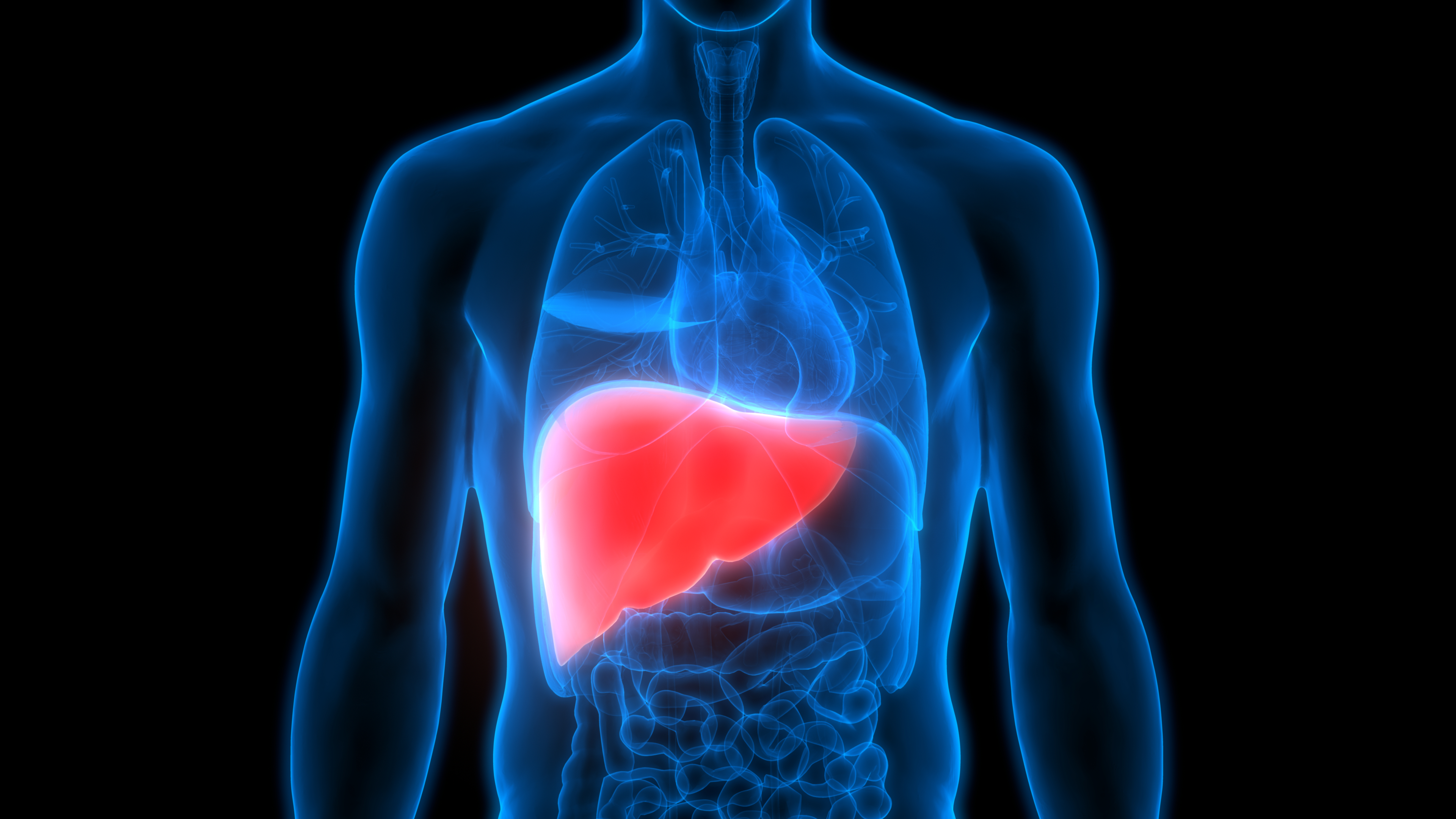
Non-alcoholic fatty liver disease is the most common cause of liver disease in the United States, and is estimated to affect up to a quarter of adults in the world. It is defined by excess fat accumulating in the liver and usually occurs in people with obesity, high blood sugars (diabetes), abnormal cholesterol or triglyceride levels, or high blood pressure. These disorders often run together and as a group are called metabolic syndrome. The “non-alcoholic” part of “non-alcoholic fatty liver disease” is important to distinguish it from alcohol-related liver disease, which can also cause excess liver fat.
In some people, the excess fat sits in the liver but may not cause any liver damage. However, in about one in 20 people, excess liver fat triggers chronic liver inflammation. This condition is called non-alcoholic steatohepatitis or NASH (“steato-“ means relating to fat and “hepatitis” means liver inflammation).
As with other liver disease, such as viral hepatitis or alcohol-related liver disease, chronic inflammation can cause ongoing damage, which leads to liver scarring known as fibrosis. Severe fibrosis is called cirrhosis regardless of the cause. People with cirrhosis are at risk for liver failure and liver cancer, and may need liver transplantation.
The key to preventing complications of NASH is to catch it early and treat it before the liver has sustained significant damage. Early diagnosis is tricky; usually people have no symptoms from their liver disease. If you have been diagnosed with any of the components of metabolic syndrome, you should talk to your doctor about your risk of having NASH.
The most accurate way to diagnose NASH is by liver biopsy. But blood tests and imaging tests can be used to determine who might be at low risk for NASH to avoid unnecessary liver biopsies. A useful, noninvasive test for some people is liver elastography, a special kind of ultrasound that estimates how much scarring there is in the liver. Elastography can help sort out who might benefit from further testing by liver biopsy. Regardless of whether NASH is present, exercising and eating a healthy diet can go a long way in treating metabolic syndrome and preventing complications down the road.
For people who are overweight or have obesity, the best treatment for NASH is weight loss. A landmark study showed that losing 10% of one’s body weight can reduce liver fat, resolve inflammation, and potentially improve scarring. More recently, in a meta-analysis published in JAMA Internal Medicine, researchers combined data from 22 studies that randomized patients to a weight loss intervention or a control arm (no or lower-intensity weight-loss intervention), to take a more thorough look at the effect of weight loss on non-alcoholic fatty liver disease.
That meta-analysis and other studies confirmed that weight loss by behavioral programs, medications, or weight-loss surgery can successfully treat NASH. Diet and exercise are the first line of treatment. At least 150 minutes of heart-pumping activity per week is recommended. While it’s not clear which diet is best, those that emphasize vegetables and whole foods, such as the Mediterranean diet, are good options. Regardless of the exact plan, lifestyle changes should be sustainable, and it’s usually best to lose weight slowly over time.
If sufficient weight loss is not attainable with these steps, weight loss surgery, such as gastric sleeve or gastric bypass, can be considered. There are currently no FDA-approved medications specifically for NASH, but medications that promote weight loss may be helpful. For certain people without diabetes, vitamin E can help treat NASH. For those with diabetes, certain medications that improve blood sugar, such as the thiazolidinedione drug pioglitazone (Actos) and the incretin mimetic drug liraglutide (Saxenda), may also have beneficial effects on the liver. Any decisions regarding medications for NASH, including the use of vitamin E, should be made in consultation with your doctor.
Individuals with NASH must also protect the liver from any other causes of liver inflammation. This means abstaining from alcohol and making sure you are vaccinated against the hepatitis A and hepatitis B viruses. Finally, anyone with NASH should also identify and treat individual components of metabolic syndrome they may have, in order to reduce the risk of heart disease and strokes.
Non-alcoholic liver disease is becoming more prevalent as obesity becomes more common. It is also underdiagnosed, since it usually causes no symptoms. But increased awareness can lead to early diagnosis and prevention of serious problems down the road. Fortunately, active research is ongoing to define how to best identify people who are at risk and to develop new medications to treat NASH.