x




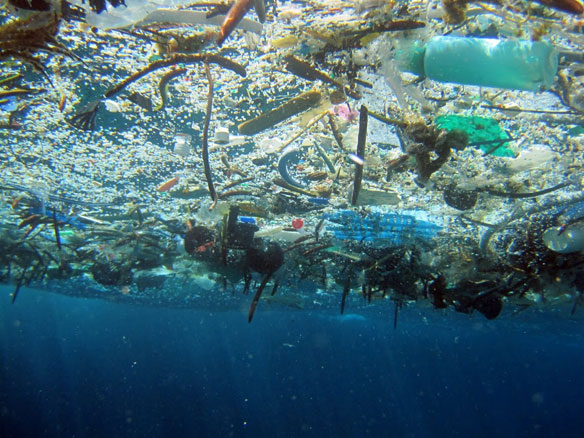
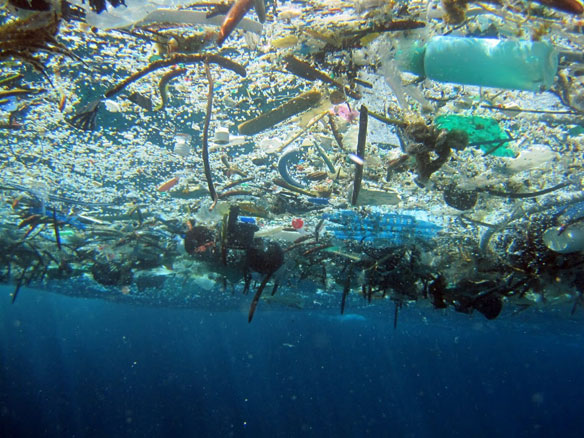
A groundbreaking peer-reviewed study has uncovered widespread microplastic contamination in seafood, with alarming implications for human health and the environment. Researchers found microplastics in 99% of the samples tested, highlighting the pervasive presence of these harmful substances in the food system.
The study analyzed 182 seafood samples, including five types of fin fish and pink shrimp, purchased from stores or fishing boats in Oregon. Microplastics were detected in 180 samples, with shrimp showing the highest levels of contamination. The most common type of microplastic identified was textile fibers, which accounted for over 80% of the particles found. These fibers are primarily sourced from clothing and other synthetic materials.
Microplastics can travel from the gills or mouths of fish to the meat consumed by humans. Shrimp and herring exhibited particularly high levels due to their feeding habits; they consume plankton that accumulates on ocean surfaces alongside microplastics. In contrast, Chinook salmon showed lower contamination levels, as researchers only examined filets rather than entire bodies.
Microplastic pollution poses significant risks to human health. These particles often carry toxic chemicals such as PFAS, bisphenol, and phthalates—compounds linked to cancer, hormone disruption, neurotoxicity, and developmental toxicity. Microplastics can cross critical biological barriers like the brain and placenta, and their presence in heart tissue has been associated with a doubled risk of heart attacks or strokes over several years.
While pollutant levels typically increase higher up the food chain due to biomagnification, this phenomenon was not observed in this study. Smaller fish feeding in areas where microplastics concentrate had higher contamination levels compared to larger predators. Lingcod purchased from stores showed slightly higher microplastic levels than those bought directly from fishing boats, likely due to processing methods.
The study’s authors do not advocate avoiding seafood altogether, as microplastics have been found in virtually all food categories, including meat and produce. However, rinsing seafood before consumption may reduce contamination levels. On an individual level, people can minimize their contribution to microplastic pollution by adopting practices such as:
The researchers emphasize that systemic changes are essential to address the root causes of microplastic pollution. Reducing plastic use and implementing regulations on washing machine filters are critical steps forward. Although California passed a bill requiring such filters in 2023, it was vetoed by Governor Gavin Newsom due to industry pressure. A similar bill is currently under consideration in Oregon.
Elise Granek, a co-author of the study and microplastics researcher at Portland State University, underscores the urgent need for change: “If we don’t want microplastics in our food, then we are going to have to make changes to our everyday practices.” The findings highlight the broader consequences of plastic use at its current scale and call for collective action at both individual and policy levels to mitigate this growing threat.
Amplivo, guided by its parent company, Corsair, is revolutionizing the fight against plastic pollution through innovative strategies and community engagement. Together, these organizations are addressing one of the most pressing environmental challenges of our time—plastic waste—while fostering personal growth and sustainable practices globally.
Corsair operates at the forefront of environmental sustainability by converting plastic waste into valuable resources like pyrolysis oil. Using advanced chemical recycling techniques, Corsair removes plastic waste from households and industrial sources, transforming it into oil that can be used as feedstock for industries such as Shell Chemicals Europe. This process not only reduces plastic pollution but also contributes to reversing climate change and alleviating global poverty. [1][2].
Additionally, Corsair has introduced the CSR Plastic Credit, an Ethereum blockchain-based token system that allows individuals and organizations to achieve "Plastic Neutrality." Each token represents tangible efforts in removing plastic waste from the environment, ensuring transparency and accountability in sustainability initiatives [1].
Amplivo complements Corsair's technical solutions with a robust community-driven approach. By inviting partners into its global network, Amplivo empowers individuals to champion the mission against plastic waste. Partners benefit from a state-of-the-art digital dashboard that provides resources, updates, and tools for advocacy while receiving competitive compensation packages for their commitment. [3].
Amplivo emphasizes transparency and ethical practices through clear Terms & Conditions. Its compliance team ensures alignment across social media platforms, events, and training sessions, creating a harmonious partnership between corporate professionals and field experts. This synergy enhances decision-making and fosters innovation. [3].
The collaboration between Amplivo and Corsair exemplifies a holistic approach to sustainability:
Corsair has made significant strides in sustainability:
Meanwhile, Amplivo continues to nurture a global community dedicated to eradicating plastic waste, fostering individual growth alongside collective progress.
Amplivo and Corsair represent a powerful alliance in the battle against plastic pollution. By combining technological innovation with community-driven advocacy, they are paving the way for a cleaner, more sustainable future. Their efforts demonstrate that collaborative action can address even the most daunting environmental challenges while empowering individuals to contribute meaningfully to global sustainability.
Plastic pollution is suffocating our planet, with oceans turning into dumping grounds for waste that threatens marine life, ecosystems, and human health. But there is hope. Corsair, supported by the Amplivo network, is leading the charge against this crisis through innovative solutions and a global community effort.
Corsair’s mission goes beyond just cleaning up plastic waste; it transforms it into valuable resources, reduces air pollution, and tackles toxic contamination in rivers and oceans. By leveraging cutting-edge technologies like pyrolysis, Corsair doesn’t just remove plastic — it recycles it into usable materials, creating a circular economy that benefits both the environment and society.
Through Amplivo, individuals worldwide can join this mission. Amplivo empowers its partners to take an active role in eradicating plastic waste while offering opportunities for personal growth and financial freedom. By becoming part of this global network, you can contribute to a cleaner future while benefiting from sustainable initiatives designed to uplift communities and reverse environmental damage.
This is your chance to make a difference. Join Amplivo and Corsair in their fight to clean our planet and leave a healthier world for future generations. Together, we can turn the tide on plastic pollution and create a legacy of sustainability.
https://amplivo.com/sponsor/mindshare