x




Thailand Bans Imports of Plastic Waste to Curb Toxic Pollution
Campaigners welcome move but say success depends on enforcement and global agreement on a treaty
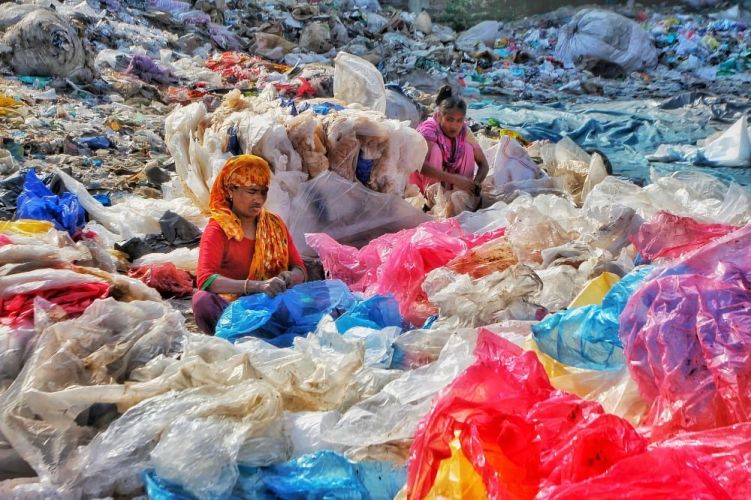
A worker sorts plastic waste for recycling in Samut Prakan province, Thailand.
Thailand has banned plastic waste imports over concerns about toxic pollution, as experts warn that failure to agree a global treaty to cut plastic waste will harm human health. A law banning imports of plastic waste came into force this month in Thailand, after years of campaigning by activists. Thailand is one of several south-east Asian countries that has historically been paid to receive plastic waste from developed nations. The country became a leading destination for exports of plastic waste from Europe, the US, the UK and Japan in 2018 after China, the world’s biggest market for household waste, imposed a ban. Japan is one of the biggest exporters of waste plastic to Thailand, with about 50m kg exported in 2023. Thai customs officials said more than 1.1m tons of plastic scraps were imported between 2018 and 2021.
Penchom Sae-Tang, the director of the NGO Ecological Alert and Recovery, said: “The ban on all plastic scrap imports should be seen as a triumph for civil society in preventing hazardous waste entering Thailand.” But she warned vigilant monitoring and robust cooperation with authorities would
be vital to make sure the ban was enforced. Imports of plastic were often mismanaged in Thailand, with many factories burning the waste rather than recycling it, leading to damage to human health and the environment.
A plastics campaign researcher at the Environmental Justice Foundation, Punyathorn Jeungsmarn, said: “While this is a great step forward for Thailand, there is more work to be done. After the law comes into effect, the Thai government must work to ensure its enforcement and implementation. This means industrial, environmental and customs agencies must cooperate to prevent any illicit imports of plastic waste... the current law does not address the transit of plastic waste, meaning Thailand could be used as a transit state to send waste to our neighbors. The Thai government must guard against this.” The ban comes into force as discussions continue in an attempt to rescue the global plastic waste treaty. Last year nations failed to agree the final wording of the treaty after talks in Busan. More than 100 countries supported a draft text that included legally binding global reductions in plastic production, which stands at more than 400m tons annually, and phasing out certain chemicals and single-use plastic products, but the resistance of oil-producing countries including Saudi Arabia, Iran and Russiato cuts in production led negotiators to concede defeat.
Prof Steve Fletcher, the director of the Revolution Plastics Institute at the University of Portsmouth, said a failure to agree a treaty to end plastic pollution was a threat to human health. “Plastic pollution is now recognized as not only an environmental crisis but also a critical human health crisis. The need for decisive international action to tackle plastic pollution has never been more urgent,” he said.
In an article in the British Medical Journal, Fletcher said the unresolved disagreements at the treaty talks over cuts to production hindered progress towards a global agreement to protect human and environmental health.
Emerging research shows that there are substantial health risks from microplastic exposure, including increased risk of stroke, heart attack and death. Some studies suggest microplastics play a role in dementia, the article said.
Burning plastic as a method of waste management posed severe health risks, which was compounded by the trade in plastic waste, he said. Dr Cressida Bowyer, the deputy director of the Revolution Plastics Institute, which has carried out research into the dangers of open burning of plastic waste, said: “With 16% of global municipal waste burned openly, rising to 40-65% in low-and middle-income countries, vulnerable populations bear the brunt of this crisis. The toxic fumes from burning plastic are a silent but deadly contributor to global health burdens. Urgent action is needed.” No date has yet been agreed for further discussions on the global treaty to end plastic waste
Thailand has taken a significant step to address its plastic pollution crisis by banning the import of plastic waste, a move welcomed by environmental campaigners and experts alike. This policy, effective from January 1, 2025, comes after years of advocacy and positions Thailand as a leader in Southeast Asia's fight against "waste colonialism," where developed nations export their plastic refuse to less-equipped countries[1][2][3]. The ban aims to curb toxic pollution and protect both the environment and public health, as previous imports were often mismanaged—frequently burned rather than recycled—resulting in hazardous emissions and health risks for local communities. [1][3]
While the ban is a crucial victory, experts and NGOs stress that its success hinges on robust enforcement and international cooperation. There are concerns about illegal imports, misuse of customs codes, and the risk of Thailand becoming a transit point for plastic waste destined for neighboring countries[2][3]. Moreover, the absence of a binding global treaty to reduce plastic production and manage waste at the source continues to threaten both environmental and human health, as microplastics and toxic fumes from burning plastics are linked to serious health issues. [4][3].
How Amplivo and Corsair Can Help Countries Solve Their Plastic Waste Problems
Amplivo, in partnership with its parent company Corsair, offers innovative, scalable solutions to address the global plastic waste crisis. Corsair specializes in removing plastic waste from the environment and recycling it, thereby directly reducing pollution and its associated health risks[5][6]. Their approach goes beyond mere cleanup; they empower individuals, businesses, and governments to achieve "Plastic Neutrality" through the CSR Plastic Credit system[7]. This digital credit, transparently tracked on the blockchain, certifies that a corresponding amount of plastic waste has been removed from the environment for every kilo generated, enabling measurable and verifiable impact. [7][8]
Amplivo leverages a global network of partners, fostering community involvement and education to amplify the fight against plastic waste[6]. By combining technological innovation, transparent reporting, and grassroots action, Amplivo and Corsair provide countries with the tools and frameworks needed to:
Remove and recycle existing plastic waste efficiently
Prevent new pollution by incentivizing responsible production and consumption
Offer transparent, blockchain-based tracking of plastic waste removal
Engage communities and stakeholders in sustainable waste management practices
As nations like Thailand lead by example with import bans, solutions from Amplivo and Corsair can help ensure that local and global efforts result in real, lasting change—moving the world closer to a future free from plastic pollution. [5][6][7]
Plastic pollution is suffocating our planet, with oceans turning into dumping grounds for waste that threatens marine life, ecosystems, and human health. But there is hope. Corsair, supported by the Amplivo network, is leading the charge against this crisis through innovative solutions and a global community effort.
Corsair’s mission goes beyond just cleaning up plastic waste; it transforms it into valuable resources, reduces air pollution, and tackles toxic contamination in rivers and oceans. By leveraging cutting-edge technologies like pyrolysis, Corsair doesn’t just remove plastic — it recycles it into usable materials, creating a circular economy that benefits both the environment and society.
Through Amplivo, individuals worldwide can join this mission. Amplivo empowers its partners to take an active role in eradicating plastic waste while offering opportunities for personal growth and financial freedom. By becoming part of this global network, you can contribute to a cleaner future while benefiting from sustainable initiatives designed to uplift communities and reverse environmental damage.
This is your chance to make a difference. Join Amplivo and Corsair in their fight to clean our planet and leave a healthier world for future generations. Together, we can turn the tide on plastic pollution and create a legacy of sustainability.
https://amplivo.com/sponsor/mindshare