x





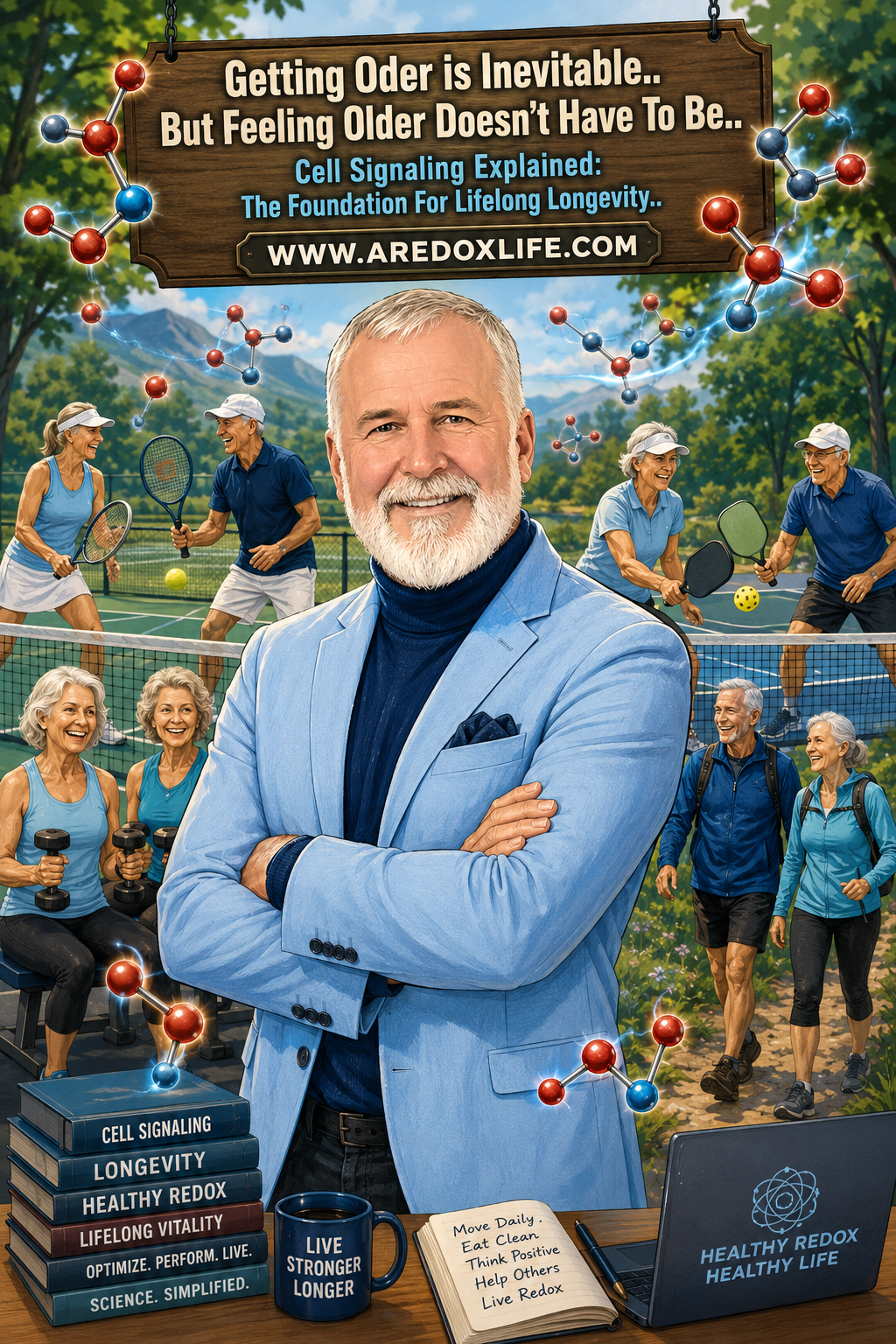
As we approach the later stages of life, we often hear the inevitable truths about aging. People tell us that our bodies will begin to break down, that we'll face more and more challenges, and that the best years of our lives are behind us. And while it's true that old age can bring its own set of struggles, there's one thing that can make all the difference in how we age, our mindset. You see, old age will try to break you. There's no denying it. Your body will start to change. your stamina will decrease. You may not move as fast or as easily as you used to. Your skin may wrinkle, your hair may gray, and you'll experience more aches and pains than you ever expected. You'll encounter loss, sadness, disappointment, and yes, even fear about the future. It's easy to feel like the world is passing you by, that your best years are behind you. It's easy to give into the whispers of doubt that tell you to slow down, to rest, and to let age define you. But here's the truth.
This mindset is dangerous. It's a lie. And the sooner you recognize it, the sooner you can break free from it. The reality is that you can thrive in your later years. You can be unstoppable, even as the clock ticks on. It's not age that breaks you. It's the belief that you can't keep going. It's the belief that your age is a limitation that holds you back, that stifles your potential. The truth is, old age is an opportunity to reinvent yourself, to live life with more freedom, more wisdom, and more vitality than you ever thought possible. The first thing you must understand is this. Old age is not an inevitable decline. It is not something that happens to you that you can't control. Aging is not a sentence. It's a process that you get to shape. Just because you're older doesn't mean you have to become slower, weaker, or more limited. In fact, your later years can be your best years.
The years when you finally have the freedom to focus on the things that truly matter to you. The years when you have the opportunity to finally live with purpose and passion. But here's the catch. You need the right mindset. You need to adopt the mindset of someone who's unstoppable, someone who refuses to let age define them, someone who chooses to keep pushing forward no matter what. Let's talk about what that mindset looks like. The unstoppable mindset starts with belief. One of the first things you need in order to become unstoppable in your later years is belief. Belief in yourself and your abilities. Too often, as we age, we start to doubt ourselves. We think that we're too old to start something new, that our best years are behind us, that we've missed the boat. But this kind of thinking is a self-fulfilling prophecy. When you believe you can't do something because of your age, you start to act as if you can't.
You begin to feel stuck, limited and small. You stop trying new things and you stop challenging yourself. Challenging yourself. But the truth is you're never too old to learn. Never too old to try something new. You're never too old to dream, to grow and to take action. You're never too old to start over or to make a difference. Believe in yourself and you'll see possibilities where others see limitations. As you start to believe in yourself, you'll begin to take the necessary actions to keep growing. You'll start to engage in activities that challenge you both physically and mentally. You'll explore new hobbies, pursue new passions, and step outside of your comfort zone. The unstoppable mindset isn't about staying comfortable. It's about pushing your boundaries and testing your limits, even when you think you're too old to do so. Aging brings its fair share of challenges. It's a natural part of life. We face health issues, financial setbacks, and loss,
whether it's the loss of a loved one, a job, or even the feeling that we're losing our relevance in a fast-paced world. But here's the thing. Challenges don't have to break you. If you want to be unstoppable, you need to build resilience. Resilience is the ability to bounce back from adversity, to persevere in the face of difficulty, and to keep going, no matter how many obstacles are in your path. So how do you build resilience? It starts with mindset. You have to see challenges as opportunities rather than setbacks. Every obstacle is a lesson and every lesson teaches you something valuable about yourself and your life. Instead of seeing adversity as something that will defeat you, see it as an opportunity to grow stronger. But resilience doesn't just come from mental strength. It also comes from taking care of your body. Physical health plays a huge role in how resilient you are. The more active and healthy you are, the more energy and stamina you have to face challenges head on.
Keeping your body strong, your mind sharp and your spirit vibrant are the foundation of resilience. It's impossible to talk about an unstoppable mindset without discussing physical activity. Your body is meant to move. It was built to walk, run, stretch and lift. Movement is life. And the more you move, the better you feel. The more you move, the better your body functions, your heart, your lungs, your joints and even your mind. As we get older, it's natural to experience some physical changes, Perhaps we don't have the same stamina or strength that we did when we were younger. But here's the thing. Movement is still your best friend. It doesn't matter if you're 65, 75, or even 85. You can still exercise and feel stronger, more energized, and more capable. Regular physical activity can help you maintain muscle mass, improve flexibility, and increase balance and coordination. It can prevent or manage health conditions like heart disease, diabetes and arthritis. Exercise can also enhance mental clarity, improve memory, and reduce stress. In fact, studies have shown that people who stay active in their later years tend to be happier, more mentally sharp, and experience fewer symptoms of depression. It doesn't have to be intense. You don't need to run marathons or lift heavy weights. Simple exercises like walking, swimming, cycling, or yoga are incredibly effective at keeping your body active and your mind sharp. The key is to stay consistent. It's about making movement a regular part of your daily routine, just like eating, sleeping, and working. And it's not just your body that needs to stay active as you age. It's your mind as well. A lot of people think that after 65, they're entitled to a rest their minds and that they can let go of the intellectual challenges and stop learning new things. But here's another truth. Your brain needs just as much stimulation as your body.
If you don't keep it engaged, it will begin to lose its sharpness. Mental stagnation is a real problem. When we stop engaging our minds, we risk cognitive decline. Studies show that people who don't regularly challenge themselves mentally, who don't continue learning new things, or who isolate themselves socially are much more likely to experience memory problems, confusion, and even dementia as they get older. On the other hand, people who stay mentally active who engage with new hobbies, learn new skills, or simply keep their brains engaged with complex tasks, are far less likely to experience cognitive decline. Learning new things, whether it's a new language, a musical instrument, or even something like crossword puzzles or Sudoku, can keep your brain sharp and improve your ability to think. Problem solving, remember. Even social engagement is a powerful brain exercise. Engaging in conversations, debating ideas, and even spending time with others has been shown to help protect against cognitive decline. So staying active physically and mentally is key. But what about your social life? As we get older, we often hear the message that we should take it easy or enjoy the quiet life.
But what many don't realize is that social isolation can be just as harmful as physical inactivity. Humans are social creatures. We thrive on connection. As we age, we might find ourselves becoming more withdrawn, especially if we're facing health problems or feeling isolated. But maintaining strong social connections can help you stay energized, motivated, and connected to the world. Having a sense of purpose is another crucial element of being unstoppable. As we get older, It's easy to feel like our sense of purpose is diminished, like we no longer have the same responsibilities or role in the world. But finding purpose after 65 is not only possible, people who have a clear sense of purpose tend to age better physically and mentally, whether it's helping others pursuing a passion or continuing to work in some capacity.
Having a reason to get out of bed in the morning is one of the biggest factors that contributes to living a long, healthy, and fulfilling life. So why should we reject the myth that we should rest after 65? Because life doesn't slow down unless we let it. Instead of retreating from life, we should be embracing it with a renewed sense of purpose, vigor, and enthusiasm. Physical activity, mental stimulation, social engagement, and a clear purpose are the real secrets to aging gracefully. They keep you sharp. They keep you strong. And most importantly, they keep you feeling alive. It's easy to fall into the trap of thinking that age comes with an inevitable decline. But that doesn't have to be your story. The truth is you can continue to live a vibrant, exciting life, full of learning, movement, and connection. It's all about how you choose to live. Don't buy into the lie that resting is the solution after 65. Embrace life, stay active, keep learning, and remain engaged.
The best years of your life are still ahead of you and with the right mindset you can become truly unstoppable.