x



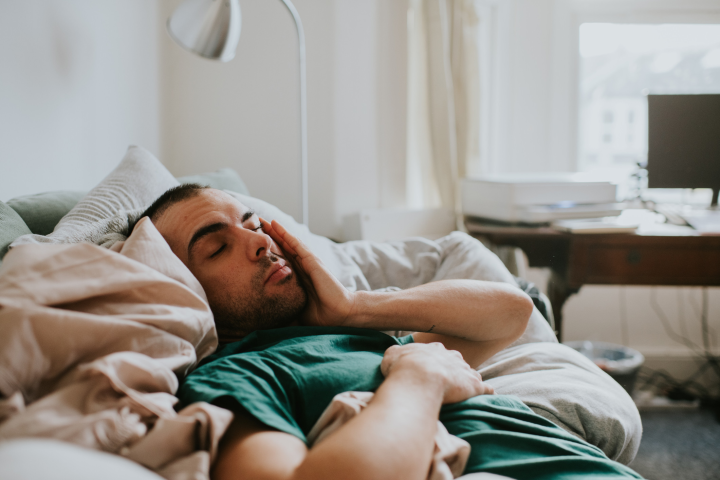
Weariness, fatigue, low energy, exhaustion. There are many ways to describe those times when you feel so tired you can’t do anything. To be clear, fatigue is more than simply feeling sleepy: it includes components that are physical (weariness or weakness), mental (lack of concentration and sharpness), and emotional (lack of motivation or boredom).
Some causes of fatigue may be apparent, like having a cold or flu (or even COVID-19), overworking, not eating well, stress, or having a sedentary lifestyle. Others are harder to pinpoint and may be caused by medical conditions, age, or life changes. If you feel tired all the time for no clear reason, you should consult your doctor to check for any of the following issues.
Anemia. This occurs when your blood has too few red blood cells, or those cells have too little hemoglobin, a protein that transports oxygen through the bloodstream. The result is a drop in energy levels.
Heart disease. Heart disease can cause the heart to pump blood less efficiently and lead to fluid in the lungs. This can cause shortness of breath and reduce the oxygen supply to the heart and lungs, making you tired.
Hypothyroidism. An underactive thyroid gland can cause fatigue and other symptoms, such as weight gain, weakness, dry skin, feeling cold, and constipation.
Sleep disorders. Sleep disruptions will leave you feeling tired the next day. Two of the most common are insomnia and sleep apnea. With insomnia, you may have trouble falling asleep, staying asleep, or getting good-quality sleep. Sleep apnea is characterized by pauses in your breathing, often lasting several seconds, or shallow breathing, while you sleep. Other issues can disrupt sleep, such as restless leg syndrome and conditions that force repeated nighttime bathroom trips such as an overactive bladder or enlarged prostate.
Medication. Some medications can make you feel tired, such as certain blood pressure drugs, antidepressants, anti-anxiety drugs, and antihistamines.
Hormonal changes. Fatigue is a common symptom of low hormone levels like testosterone in older men and estrogen in women during menopause.
Low-grade depression or anxiety. Mental health issues like depression or anxiety often cause low energy.
Chronic fatigue syndrome. Severe prolonged tiredness could be a sign of chronic fatigue syndrome, a mysterious disorder characterized by profound fatigue that does not improve with rest and may worsen with physical or mental activity.
Ask any three people what fatigue feels like, and you’ll likely get three different answers. That’s because the experience that people call “fatigue” may refer to different feelings—for example, physical fatigue that causes lack of strength and endurance, mental fatigue that leads to slow reaction times or poor concentration, and emotional fatigue that leaves your spirits deflated.
The experience of fatigue is often classified as one of two general types: muscle fatigue and central (or brain) fatigue. Muscle fatigue and central fatigue are closely related. When you feel fatigued, you’re usually feeling the effects of both types. But you can also experience one without the other.
Muscle fatigue
Muscle fatigue is the weakness that comes when you’ve tired out your muscles, like after exercise or activity. When muscles become fatigued, they don’t contract as forcefully or as quickly as muscles that are rested.
Central (brain) fatigue
When most people say they are fatigued or lack energy, they are describing a condition called central fatigue or brain fatigue. They mean that they are having trouble paying attention, concentrating, or feeling motivated to perform. They may also feel sleepy. Specific areas of the brain are responsible for attention and concentration, and other areas are centrally involved in motivation. Still others are involved in alertness and sleepiness.
Emotional and psychological factors significantly affect how fatigued you feel. For example, fatigue is greater and comes on sooner in people with mood disorders such as depression or anxiety than in those who don’t have these illnesses.