x




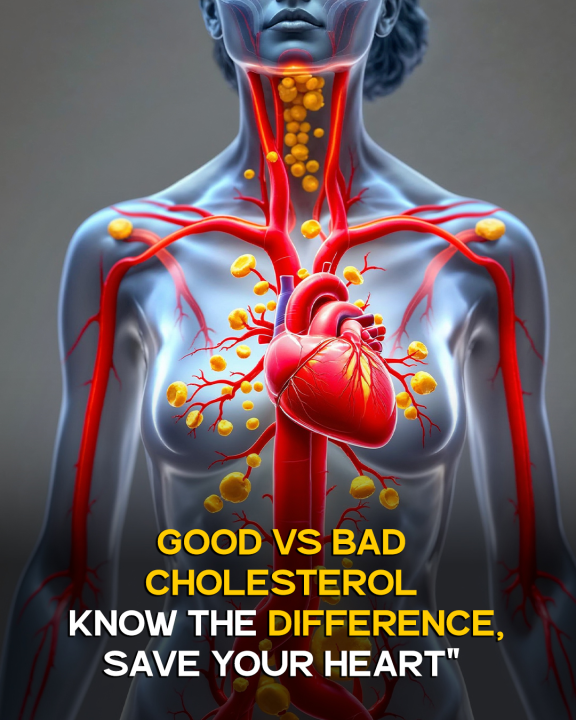
Cholesterol often gets a bad rap, but it’s actually essential for your body. It’s a waxy, fat-like substance found in every cell. Your body uses it to make hormones, vitamin D, and substances that help digest food. The liver makes all the cholesterol you need, but you also get some from food—especially animal products like meat, eggs, and dairy. The problem starts when there’s too much of the wrong kind floating around in your blood.
There are two main types: LDL (low-density lipoprotein), often called “bad” cholesterol, and HDL (high-density lipoprotein), the “good” kind. LDL is the one to worry about—it sticks to your artery walls, forming hard plaques that narrow or block blood flow. Over time, this can lead to heart attacks, strokes, and peripheral artery disease. HDL, on the other hand, helps clear LDL out of your bloodstream, kind of like a cleanup crew. There's also triglycerides, another type of fat in your blood, and when combined with high LDL and low HDL, they can multiply the danger.
So, what foods spike your cholesterol the most? Think red meats, processed meats like sausages and hot dogs, full-fat dairy like butter and cheese, fried foods, and anything loaded with trans fats, like packaged snacks and baked goods. Egg yolks and shellfish have cholesterol too, but they're not as harmful when eaten in moderation and paired with a healthy diet.
Now, the scary part: what high LDL cholesterol does to your body. It silently builds up inside your arteries, leading to atherosclerosis, which is the stiffening and narrowing of the arteries. That limits oxygen-rich blood to vital organs. It’s why people with high LDL often don’t realize there’s a problem until they’re in an emergency room with chest pain, shortness of breath, or worse—a heart attack or stroke. It can also reduce blood flow to the legs and feet, causing pain when walking, or even lead to kidney damage.
Luckily, there’s a lot you can do. Eat more fiber, especially from oats, beans, lentils, fruits, and vegetables—it helps block the absorption of cholesterol. Replace butter with olive oil or avocados. Snack on nuts and seeds, and eat fatty fish like salmon or mackerel a couple times a week. Exercise regularly—just 30 minutes of brisk walking a day can boost your HDL. Quit smoking, limit alcohol, and if needed, talk to your doctor about statins or other cholesterol-lowering medications.
Bottom line: not all cholesterol is bad, but high LDL is a slow, silent killer. You don’t feel it until it’s too late. But with smart eating, active living, and regular checkups, you can keep it in check—and your heart happy Take Care Of Your Heart at www.superbrainpower.org