x







Jay began bringing his new clinically researched product to market the same way he approached every new endeavor: through data analysis. With a background steeped in Fortune 500 tech company protocols, he followed what he christened the “Procter & Gamble Approach,” aligning every phase of development with consumer-centric research. Jay engaged two separate Consumer Packaged Goods (CPG) market research firms to conduct studies across sample sets of 10,000 consumers, then tested every detail of the products, from the name and packaging to the branding and color scheme.
“I don’t invest any more money until we are sure this is what the market wants,” he explained. “Just because we can make it, doesn’t mean we should.”
When his flagship product was fully vetted, Jay used the data from his market research teams to discover what his target demographic would be willing to pay and then worked backwards, designing the economic model and price point first before building a compensation plan around it.
The Liberty Super Patch is the company’s hero product, but they’ve developed over thirteen different patches to address different needs and concerns from skin health to stress relief, immunity, weight loss and athletic performance, among others.
The result has provided Super Patch with the growth and adequate margin to continue scaling, reinvesting into the compensation plan and growing commissions during a time when many companies are shrinking.
“I know what the business can afford to pay,” he said. “Once we had 18 months’ worth of data, I found efficiencies for how to add more money into the compensation plan. We could do that because we had the data to make the analysis and do the right thing.”
Historically, direct sales companies haven’t invested heavily in traditional advertising. Mass media as a customer acquisition strategy builds consumer credibility and can be highly effective, but it typically carries a higher price tag than the multi-tier model can tolerate. For Jay, engineering a new solution was imperative if he was to follow his Procter & Gamble model.
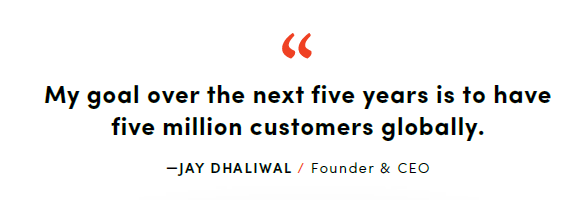
The result was the CapX Platform, or crowd advertising. With this strategy, The Super Patch Company foots the bill for large-scale advertising, including a billboard in Times Square, television spots and an upcoming informercial featuring well-known celebrities. Independent distributors can buy “tokens,” the estimated marketing cost per customer, and then profit share in the lifetime sales of repurchases. Typically the price of these “tokens” ranges from $15 to $22.
This “tokenizing” of the marketing costs was a way for Jay to expand the product’s reach without stepping on the sales field’s territory. It also created a revenue stream for those who believe in the product but don’t feel equipped to sell.
“The CapX Platform was designed to help the field and the company work together and share in the lifetime value of the customer,” Jay explained. “Distributors don’t have half a million dollars a month to spend on mass media advertising, but together the company can buy the best media and then share the upsides with the field and leaders.”
Learn More: www.millionairedreams.com