x




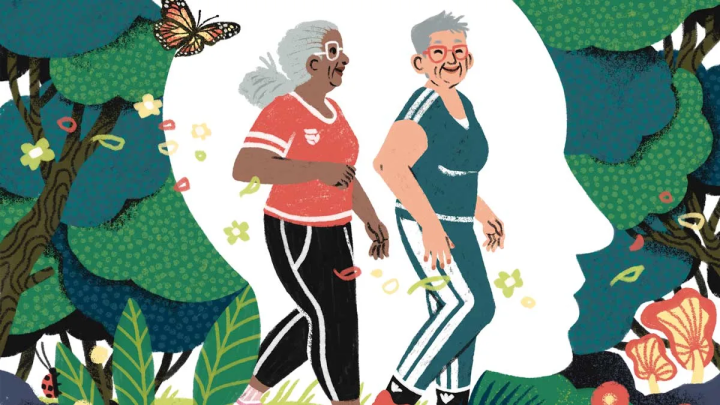
The concept of cognitive reserve refers to the ability to maintain normal cognitive function, even when age-related brain changes resemble those of someone with dementia.
“Thirty percent of cognitively normal people have enough plaques and tangles in their brain to meet the pathologist’s criteria for Alzheimer’s pathology,” says Susan Resnick, PhD. Until recently, scientists didn’t understand why.
But recent research suggests that life experiences affect how parts of the brain interact, leaving some people better able to cope with brain disease or aging. Stimulating experiences such as an engaging occupation, frequent social interaction, and learning new skills may all be protective. Emerging research suggests that high cognitive reserve may even help protect against dementia in people who are genetically predisposed.
Discover A Brain Boosting Superfood: Seismic6 For Powerful Brain Health Today: Learn More