x




Secret medieval tunnels have been discovered near the site of a 12th-century monastery in Wales.
Workers at an electricity company accidentally discovered the tunnels while digging a hole for a new electricity pole in a customer's yard in Monmouthshire, near the UK border.
The tunnel system is 1.2 meters high and is located next to a stream that crosses the village of Tintern and the Wye Valley. There are no records of medieval tunnels in the area , and archaeologists who inspected them are not sure what they were used for or how far they lie underground.
"Shortly after the excavations began, the digging team made an extraordinary discovery of what they initially thought was a cave," said Allyn Gore, a technician at the power company that participated in the discovery. "I was involved in other excavations in which I discovered old fountains and cellars that were not featured in any plan, but there was nothing as exciting and impressive as this," he added.
The power company has now moved the works away from the tunnels to allow for an archaeological investigation that could take years, according to Live Science .
The tunnels in question are not on any of the maps of the area created, since the 18th century, by the national mapping agency in Great Britain.
"Before the work started, all the checks had been done and all the usual approvals had been received," said Allyn Gore. "Nothing on our plans or records showed that there was anything unusual in the area," he added.
The tunnels also pass under a village path, so the locals have walked over them for centuries without realizing it.
The tunnels could be linked to the famous nearby Tintern Monastery, which was built by Cistercian monks in 1131 and is considered a "national icon" of Wales and a "Gothic masterpiece", according to Cadw (the government's historical and cultural heritage service). Welsh).
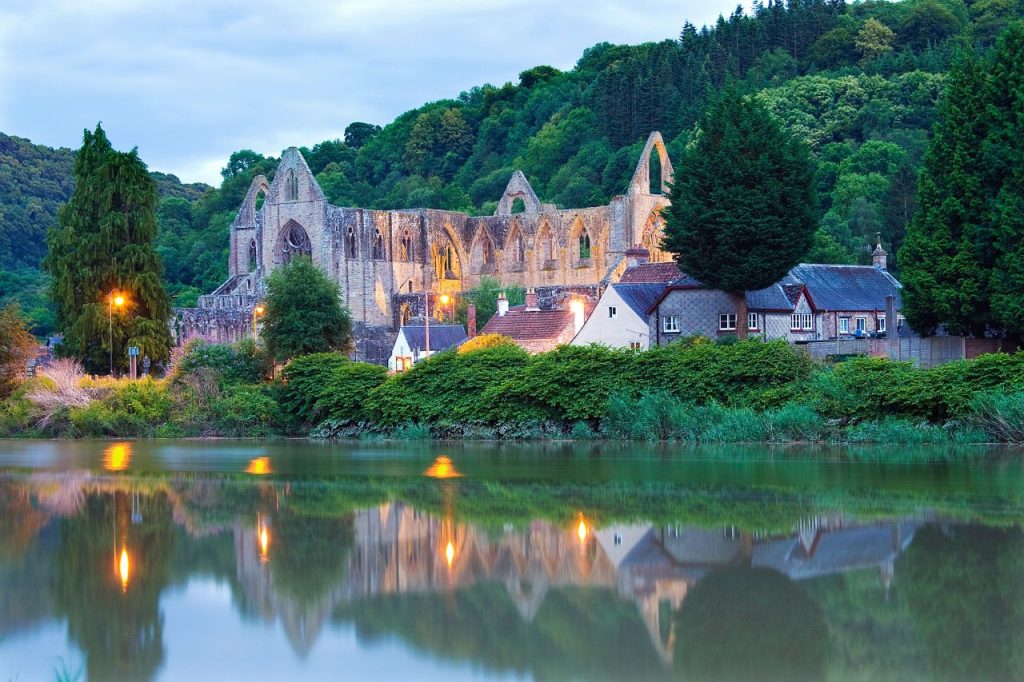
Ruins of Tintern Abbey / Photo Credit: Shutterstock
The abbey became a ruin after the dissolution of the monasteries by King Henry VIII in 1536, so if the tunnels were part of the abbey, this could explain why there are no records of them.
The stream that runs along the tunnels also passes the ruins of several old furnaces, including iron ones, in the Wye Valley, according to the power company, suggesting that the tunnels may have played a role in the metallurgical industry. local instead of being linked to the abbey.
Archaeologists plan to excavate the site, which could reveal why the tunnels were built and what their purpose was.