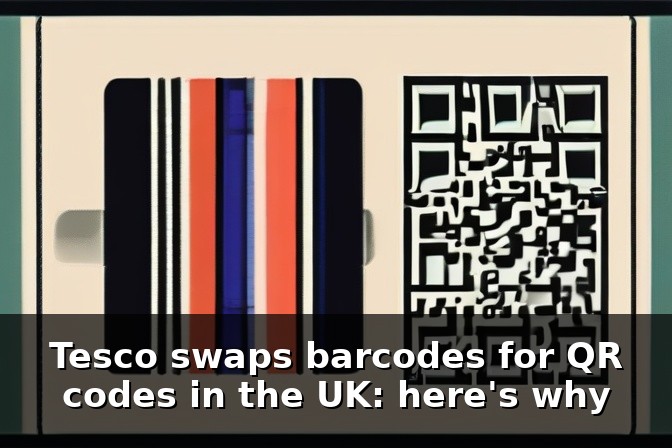
Tesco swaps barcodes for QR codes on own-brand products: what it means for shoppers and retailers
Tesco has announced a ground-breaking shift for its own-brand products: barcodes are making way for QR codes, described by the retailer as a UK first. While a barcode traditionally carries essential pricing and product information in a compact strip, the shift to QR codes unlocks a broader range of digital interactions right from the shelf. Here’s what this development means for customers, suppliers, and the future of shopping.
What’s changing and why Tesco is doing it
On selected own-brand lines, Tesco is replacing the 1D barcode with a 2D QR code. The move isn’t just about swapping a symbol on packaging; it’s about enabling more data-rich experiences that can be accessed instantly with a smartphone. QR codes can store more information and seamlessly connect shoppers to online content, product details, and dynamic promotions. For Tesco, the transition supports faster data updates, improved recall communications, and the potential to deliver enhanced product transparency across its private-label range.
Key benefits for shoppers
- Easy access to product information: Scan a QR code to view ingredients, allergens, nutrition, sourcing, and manufacturing details beyond what’s on the label.
- Interactive experiences: Quick links to recipes, serving suggestions, and usage tips that make meal planning simpler.
- Direct access to promotions and loyalty offers: Real-time discounts or targeted deals can be presented without changing the packaging design.
- Enhanced recall and safety: In the event of a product recall, a QR-enabled code can link to up-to-date recall notices and safety information.
- Greater convenience on mobile: Most shoppers already carry a smartphone capable of scanning QR codes, reducing the need for separate scanners at home or on the go.
What this means for Tesco and its suppliers
- Dynamic data capability: QR codes enable Tesco to push updated product data, price changes, or promotional content without reprinting packaging.
- Better traceability: The ability to link to supplier information and sustainability data helps Tesco demonstrate responsible sourcing and environmental credentials.
- Improved recall efficiency: QR-enabled packaging can deliver precise, real-time information to customers and staff during safety events.
- Streamlined cross-channel experiences: Consumers can transition from in-store scanning to online product pages, improving the omnichannel journey.
Why QR codes over barcodes in today’s retail landscape
QR codes offer a versatile data carrier that overcomes some limitations of traditional barcodes. While barcodes are excellent for rapid scanning in checkout lanes, they carry limited data and aren’t inherently linkable to digital content. QR codes, by design, can store more information and direct shoppers to online resources, campaigns, or product pages. This aligns with a broader retail trend toward merging physical packaging with digital experiences, making the shopping process more informative and personalized.
Potential challenges and considerations
- Scan familiarity: While many shoppers are comfortable scanning QR codes, some may require a quick how-to, especially if they’re new to the feature.
- Device compatibility: Scanning relies on smartphones with cameras and internet access; older devices may need guidance or assistance.
- Packaging costs and design: Replacing barcodes with QR codes requires careful packaging design to ensure scannability and durability.
- Link resilience: QR-driven content must be maintained; broken links or outdated pages could frustrate users if not managed properly.
A glimpse into the future of in-store shopping
Tesco’s QR-first strategy on its own-brand range signals a broader shift toward digitally enriched packaging. By enabling richer product data, dynamic promotions, and direct links to helpful content, retailers can create a more transparent and engaging shopping experience. For Markethive readers, this trend highlights the growing importance of integrating physical products with digital ecosystems—opening opportunities for marketers to craft more personalized campaigns, improve trust, and drive loyalty through smarter product storytelling.