x



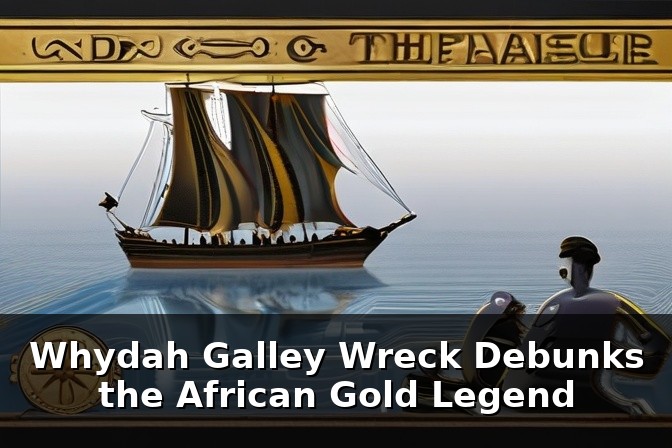
Centuries of European storytelling about the Gold Coast and its traders painted a picture of covert adulteration—claims that African merchants mixed base metals into gold to cheat buyers. The mysterious voyage and treasure recovered from the Whydah Gally shipwreck offer a sharper, more nuanced view of West African metallurgy and Atlantic trade, challenging the simplicity of that myth and revealing a sophisticated network of exchange at the heart of early modern commerce.
The Whydah Gally, a pirate ship captained by Samuel Bellamy, sank off the coast of Cape Cod in 1717 after a violent squall. Its cargo, a cross-Atlantic tapestry of wealth, included precious metals, coins, jewelry, and a range of trade goods tied to the Gold Coast (present-day Ghana) and broader West African markets. When divers and archaeologists began to salvage the wreck in the late 20th century, they uncovered tangible evidence of a robust, long-standing system for mining, refining, and trading gold—one that involved both African artisans and European traders in a complex web of exchange.
What the recovered artifacts suggest is that the Gold Coast gold supply was versatile and traceable in value. Among the finds were genuine gold dust, refined pieces, and crafted jewelry that demonstrated a high level of skill and standardization. The presence of refined items alongside raw material underscores a functioning supply chain capable of producing and moving high-purity gold through trusted channels. This complexity runs counter to blanket theories of widespread adulteration and points to an economy built on quality control, reputation, and interconnected markets.
The Gold Coast region was famed for its abundant gold resources, but its value rested as much on trade practices as on ore quality. West African traders developed intricate systems—often measured by gold weights and standardized forms—that helped calibrate value across vast networks. The Whydah’s cargo provides a tangible snapshot of that system in action: refined gold items and raw gold alongside a range of goods designed for cross-cultural exchange. In other words, African artisans and traders were not merely pass-through players; they were active agents shaping the terms and clarity of gold transactions.
Myths about African gold often served broader political and economic purposes, including justifying control over trade routes and reinforcing stereotypes that favored European hegemony. The Whydah wreck complicates those narratives by illustrating a dynamic marketplace where quality and trust mattered just as much as quantity. Archaeology provides a corrective by turning legends into data—material evidence that invites a more precise understanding of historical economies and the people who built them.
Ultimately, the Whydah Gally shipwreck does more than enrich maritime history. It offers a clearer view of African gold’s place in global commerce and undermines reductive myths about authenticity and purity. For modern markets, it’s a reminder that reliable narratives—grounded in evidence—are essential for fair trade, transparent sourcing, and informed entrepreneurship.