x




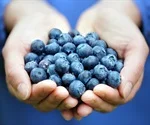
Feeding the world's growing population in a sustainable way is no easy task. That's why scientists are exploring options for transforming fruit and vegetable byproducts -- such as peels or pulp discarded during processing -- into nutritious food ingredients and supplements. Now, researchers reporting in ACS' Journal of Agricultural and Food Chemistry have shown that blueberry and persimmon waste can be made into antioxidant-rich powders that might have beneficial effects on gut microbiota.
In recent years, fruit and vegetable powders have become popular as a way to add beneficial compounds, such as polyphenols and carotenoids (two types of antioxidants), to the diet, either by consuming the powders directly or as an ingredient in food products. However, in many cases these healthful compounds are present at similar or even higher levels in byproducts compared to those in other parts of the fruit or vegetable.
Noelia Betoret, María José Gosalbes and colleagues wanted to obtain powders from persimmon and blueberry wastes, and then study how digestion could affect the release of antioxidants and other bioactive compounds. They also wanted to determine the effects of the digested powders on gut bacterial growth.
The researchers obtained powders from persimmon peels and flower parts, and from the solids left behind after making blueberry juice. The type of powder, drying method, fiber content and type of fiber determined the release of antioxidants during a simulated digestion. For example, freeze-drying preserved more anthocyanins, but these were more easily degraded during digestion than those in air-dried samples. Then, the team added the powders to a fecal slurry and conducted a mock colonic fermentation, sequencing the bacteria present before and after fermentation. Incubation with the fruit powders resulted in an increase in several types of beneficial bacteria, and some bacteria grew better with one powder compared to the other.
These findings indicate that persimmon and blueberry waste powders could be included in food formulations to boost the content of carotenoids and anthocyanins, which could have a positive impact on human health, the researchers say.
.jpg)