x






Statistics show every 32 seconds a cold is caught in the United States. When including flu viruses, bacterial infections, and stomach illnesses, the statistics can make you want to hide at home. Take a deep, congestion-free breath, and arm yourself against the odds. Here are scientifically proven prevention methods …
Keep Exercising
It is a known fact that exercise helps keep you healthy. Regular exercisers report fewer colds and other viruses. According to a study conducted at the University of South Carolina, those most physically active on a daily basis were 20 to 30 percent less likely to develop colds than their inactive counterparts. The physical activity included exercise, sports performance, and physical chores such as snow shoveling. Working out also helps manage stress and anxiety, two culprits that lead to a weakened immune system.
Eat Breakfast

Packed with numerous health benefits, the morning meal is also proven to boost resistance to cold germs. Through a study conducted at Cardiff University in Wales, cereal eaters were less likely to catch respiratory illnesses and colds than breakfast skippers. One possible explanation: Many breakfast foods are fortified with micronutrients, which have been linked to a reduced risk of infection.
Get a Flu Shot
One flu shot does it this year. The immunization combines protection against the H1N1virus (swine flu) and the two other influenza viruses expected to circulate this season. The Centers for Disease Control and Prevention (CDC) recommend everyone six months of age and older be vaccinated.
Flu shot facts:
Influenza weakens the immune system. In addition to being out of commission and feeling lousy for the duration of the flu, your body’s immune response becomes weakened. You become more susceptible to other viruses, which often results in a season filled with colds.
If you suspect you’ve contracted the flu, contact your physician. Antiviral medication taken during the first 48 hours of symptom onset can reduce the duration and severity of the flu, and minimize complications from the virus.
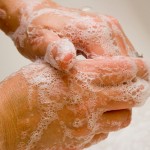
Wash Hands Frequently & Correctly
Germs often enter the body by touching your mouth, eyes, and nose. Minimize your exposure to germs by washing hands often throughout the day. It’s especially important to wash before and after treating a sick or wounded person. You also need to clean your hands prior to eating or preparing food. It’s essential to wash after using the bathroom or diapering.
Hand-washing is necessary, and not always considered, in these situations: when handling animals, garbage bags, public pens, phones, contact lenses, public toys, and blowing one’s nose. Head straight to the sink when arriving home to wash away outside germs.
Rest assured: The Childcare room at the Center is frequently disinfected throughout the day to minimize germ spreading. Hand-washing is encouraged, and should be practiced upon entering and leaving.
Anything worth doing is worth doing well. Here’s how to wash properly for best results:
When soap and water are not available, antibacterial cleansers conveniently do the job. They are available in a variety of sizes, scents, and moisturizing formulas. Carry them in your car, purse, and on kids’ lunchboxes. Often, teachers require a small bottle be kept with students.
Get Your Sleep
Seven or eight hours of good sleep a night helps build your immune system. Sleep deprivation impairs your ability to fight off germs. Those who sleep 4 hours a night have weaker immune systems than those who get 7.5 to 8.5 hours, according to a University of Chicago study.