x




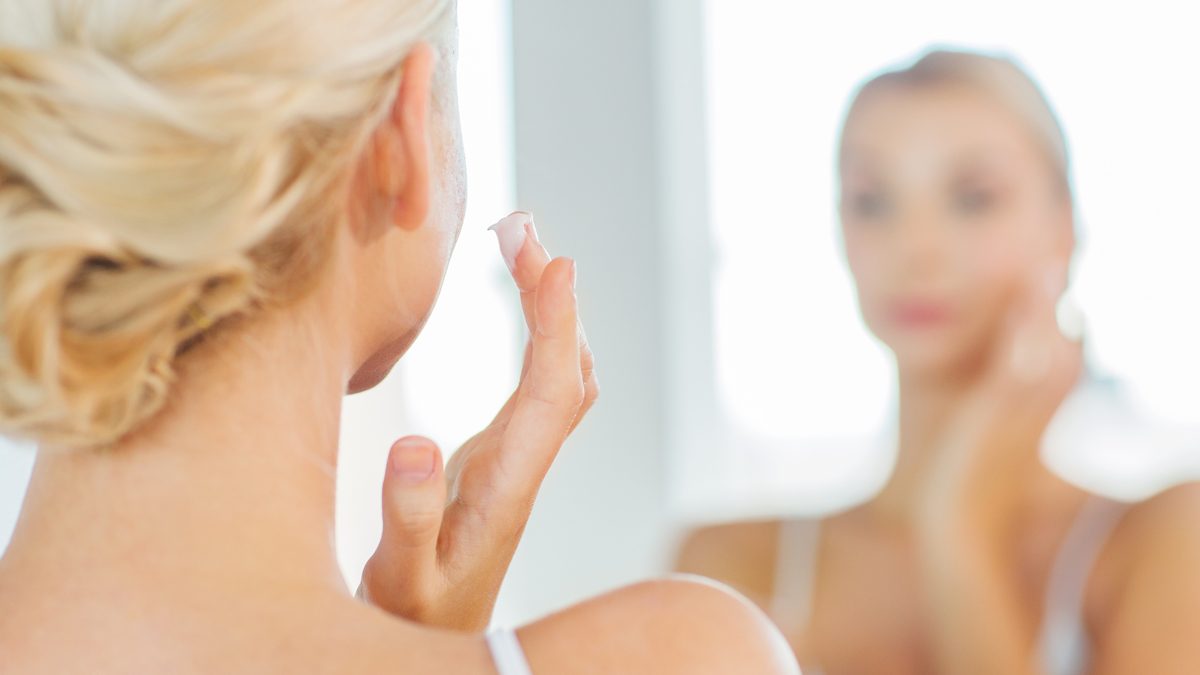
Dehydration can cause your skin to lack lustre and your face can become shallow looking, explains Dr. Macdonald. Dry winter weather can also play a role in a sallow complexion. Drinking enough water and getting ample sleep can improve the look of your skin.
 PHOTO CREDIT: SHUTTERSTOCK
Don’t assume all red bumps are pimples. A ruddy complexion, redness and dry skin can all be symptoms of rosacea. This chronic skin condition is caused by both environmental and genetic factors, and is often triggered by the weather, spicy foods, exercise, and stress.
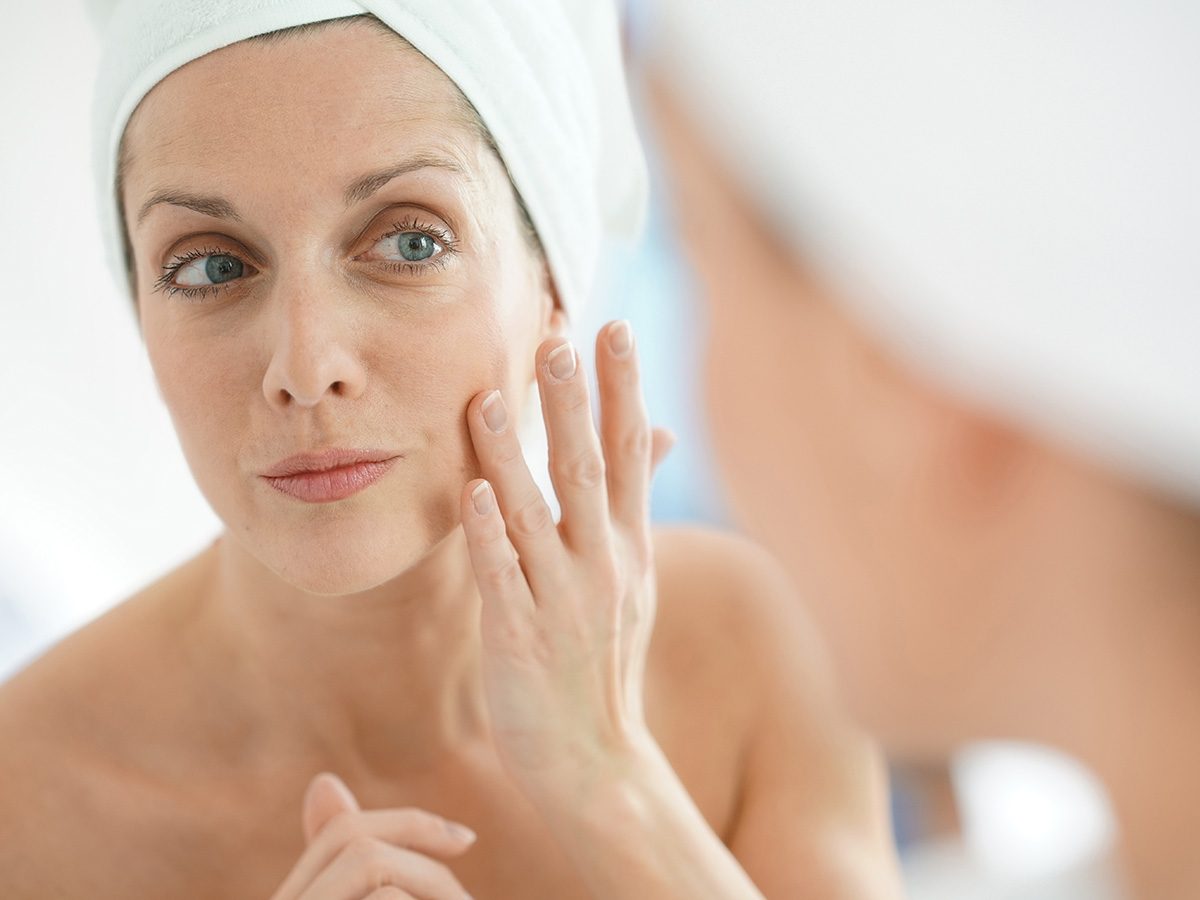 PHOTO CREDIT: SHUTTERSTOCK
An unexplained tanning or darkening of the skin—for example, it’s winter in Canada but you’re bronzing up nicely—is the telltale skin sign for Addison’s. The darkening can also be seen in the mouth (gums) or inner ear. “In an underactive adrenal gland they are not producing the stress hormone called cortisol. As a result, the brain overproduces (from the pituitary gland) a hormone called ACTH that increases skin pigmentation,” says Dr. David Lau, an endocrinologist and professor of medicine, biochemistry and molecular biology at the University of Calgary Cumming School of Medicine.
 PHOTO CREDIT: SHUTTERSTOCK
Warm skin, increased sweating, redness of the palms or facial flushing, along with thinning hair or hair loss and spooning or concavity of the nails, are all outward signs of an overactive thyroid. A person might also develop what’s called a “thyroid stare” because the eyelids pull back and the eyes seem to bulge. “For women especially, the hair loss can tip them off. They start losing hair from the scalp without understanding what’s going on,” says Dr. Lau.
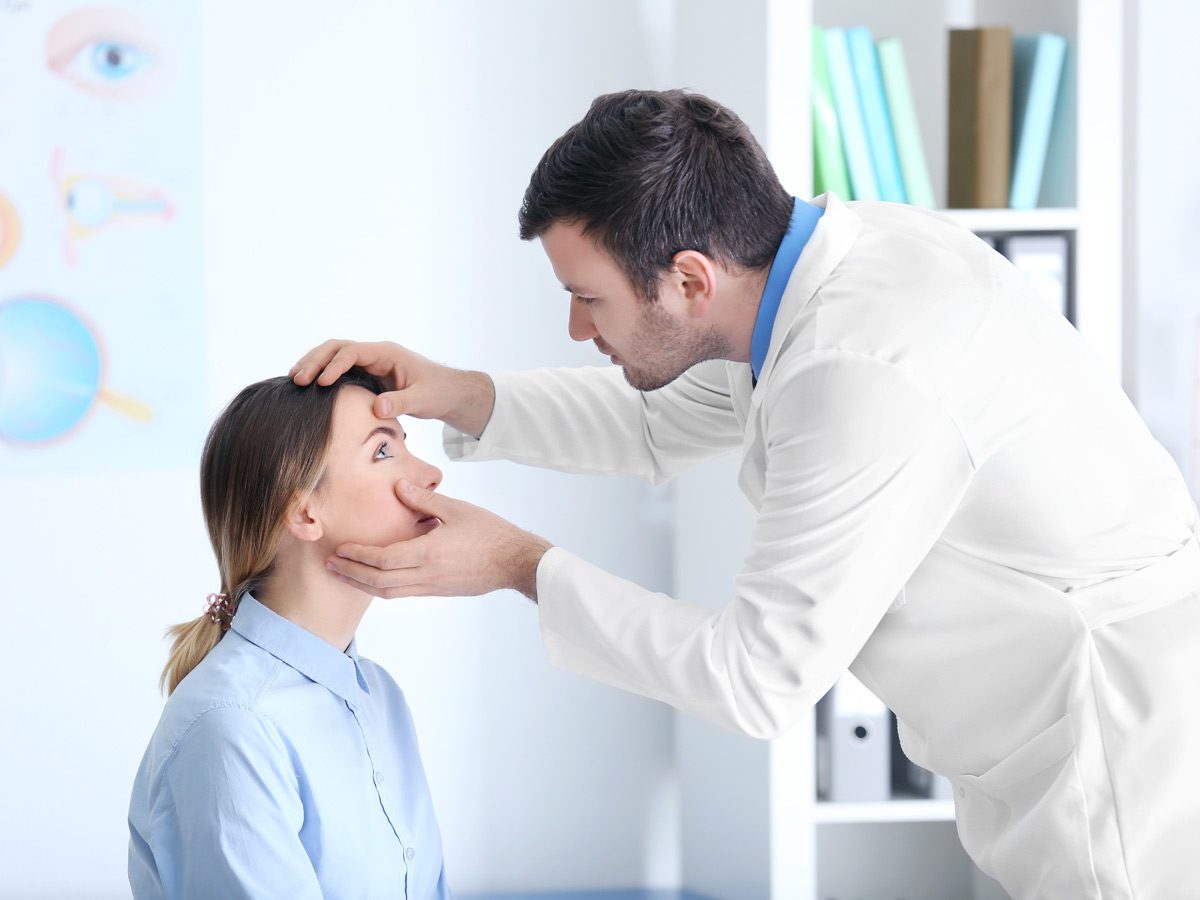 PHOTO CREDIT: SHUTTERSTOCK
Allergies could be the culprit for swollen eyes. If the irritation is accompanied by a rash, you could be suffering from eczema (a common symptom in adults is dryness and rashes on the eyelids) or contact dermatitis caused by an irritating product. “I see a lot of eyelid dermatitis,” says Dr. McDonald. “People have to look at all the products they are using from sponge applicators to makeup.”
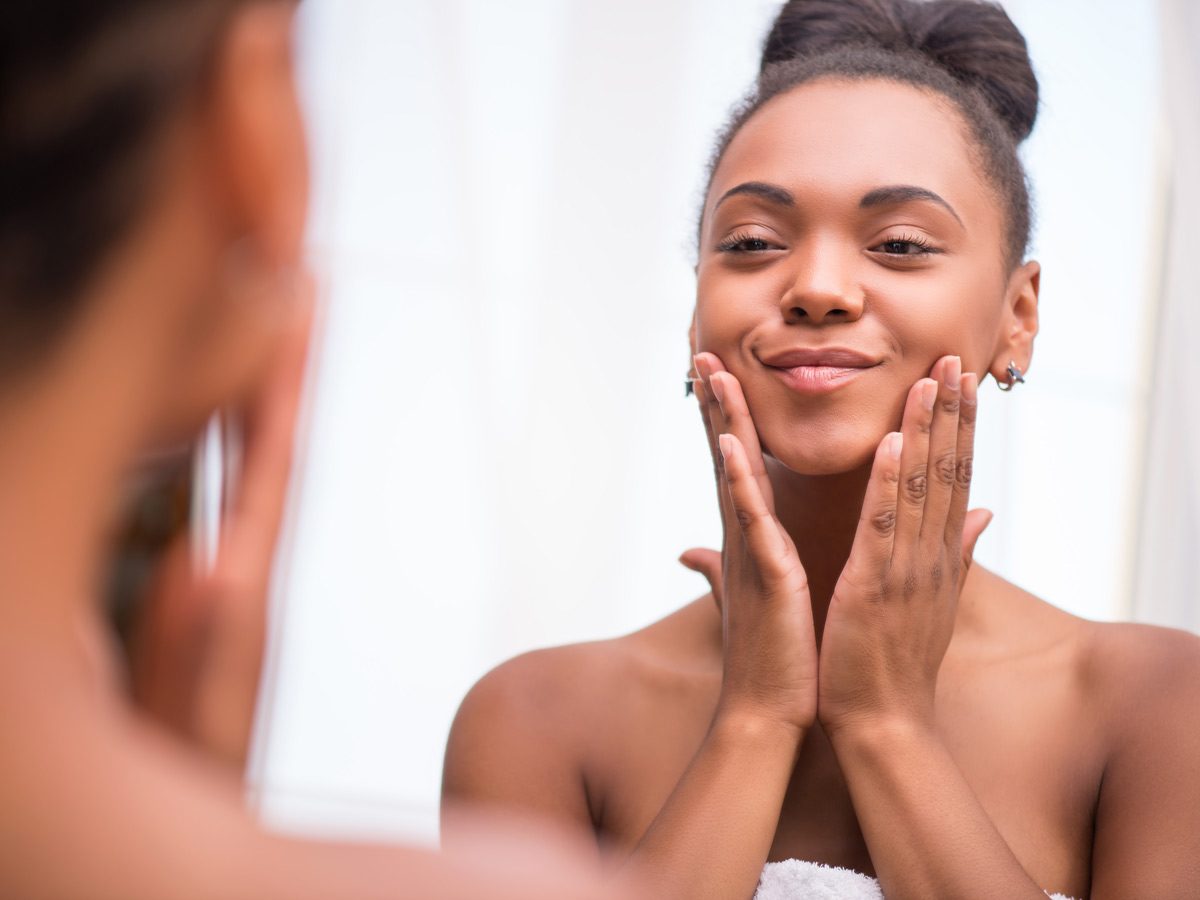 PHOTO CREDIT: SHUTTERSTOCK
Feeling embarrassed about your flushing? A chronically red forehead and cheeks could be caused by dilated blood vessels due to the chronic skin condition rosacea, says Dr. Macdonald. Extreme flushing can also be caused by hormonal changes in women such as menopause.
.png)