x




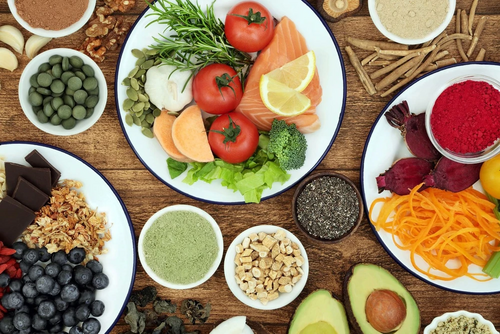

Increased life expectancy means we are learning new ways to care for our brains as we age. Conditions like Alzheimer's disease (AD), Parkinson's disease (PD), and cognitive decline are becoming more frequent,1,2 but the good news is that evidence suggests the risk of age-related neurological decline can be reduced by as much as 50% through diet and lifestyle changes
The Mediterranean, MIND, and MITO diets are three such dietary patterns that focus on foods high in key brain-supportive nutrients. These foods most likely promote brain health through anti-inflammatory and anti-oxidant actions. The three diets are also associated with decreased risks of other chronic diseases (e.g., hypertension, type 2 diabetes) that often accompany neurodegenerative diseases. Each diet supports brain health over time yet is implemented differently.
Here we'll introduce you to these three dietary patterns with simple ideas to start putting them into practice right away.
Centuries-old Diet, Cutting-edge Brain Nutrition
The Mediterranean Diet (MeDi) is not a diet in the traditional sense but is more of a lifestyle. Fresh, simple foods are enjoyed in good company, and are rich in both flavor and nutrition. As the most well-researched dietary pattern on this list, it's based on the traditional diets of cultures living along the Mediterranean Sea. The MeDi was originally studied, and has become well-known, for its association with lower rates of chronic disease (e.g., heart disease, type 2 diabetes, certain types of cancer). A growing evidence base also associates it with a protective effect on brain health.9 Meals and snacks focus on plant-based foods, with fish and olive oil as other important components.
Blending up two diets for better brain health
The MIND Diet (short for Mediterranean-DASH Intervention for Neurodegenerative Delay) blends two well-regarded diets (MeDi and DASH) into one powerful brain-supportive diet. We've already covered the benefits and history of MeDi. The DASH (Dietary Approaches to Stop Hypertension) diet was originally developed as a clinical intervention for hypertension, and was later found to benefit brain health as well. The MIND diet draws on the aspects of both MeDi and DASH that have been found to be most important for brain health. This diet is specifically designed to be brain food. Research suggests following the MIND diet slows age-related cognitive decline and may be an Alzheimer's prevention diet
The MIND diet differs from Mediterranean diet in a few ways. It lists leafy greens as their own category and focuses on berries over other fruits because of their unique antioxidant value.5 Research has shown that you don't have to stick strictly to this dietary pattern to see a reduction in cognitive decline and risk for AD. Small changes that add the highlighted foods can reduce your chances of AD by 35%, and if you're able to achieve strict adherence, you can reduce the risk as much as 53%!
Mighty diet for brain power
The MITO Food Plan pulls together components of the Mediterranean and Paleo diets, with a ketogenic option. It's a low-glycemic, anti-inflammatory, gluten-free, and low-grain therapeutic diet developed by the Institute for Functional Medicine. The name “MITO” comes from its intended use to support mitochondria – the parts of our cells that make energy. Since the brain uses more energy than most other tissues (up to 20-30% of our body's total energy budget), it needs more mitochondria. This demand for energy production makes it vulnerable to oxidative damage and neurodegeneration.11 Hence, MITO is based on key nutrients to support energy production and at the same time reduce inflammation
The focus of the MITO plan is very much on quality sources of foods. Like the other dietary patterns we've covered, its foundation is non-starchy vegetables, but with more fat. It also offers more variety in terms of meats, with small, 2-3-ounce servings. Meal plans and detailed guides are available, and should be obtained through a practitioner familiar with its nuance.13 Since this diet can be restrictive in certain ways, it's best to work with a health or dietetic professional to personalize this option for your specific needs.

Despite their different structures, the Mediterranean, MIND and MITO dietary patterns have much in common. One important contribution of all three is the focus on anti-inflammatory foods and nutrients. They share foods with high content of antioxidants, vitamins, minerals, and polyunsaturated fatty acids, which support mental function, as well as mood and general health.7–9,14 Ultimately, you can try any of these diets to support your brain health.
When making changes to your diet, a complete overhaul is generally not realistic. Here are a few practical ideas for implementing any of one these diets today:

Ultimately, you should choose the one that works best for your circumstances. Regardless of your choice, making the effort to implement even some of the above recommendations will help set you up for lifelong brain health.
We hope this is a helpful introduction to brain healthy diets. Please stay-tuned for more in-depth articles and resources on the Mediterranean, MIND, and MITO dietary patterns.