x




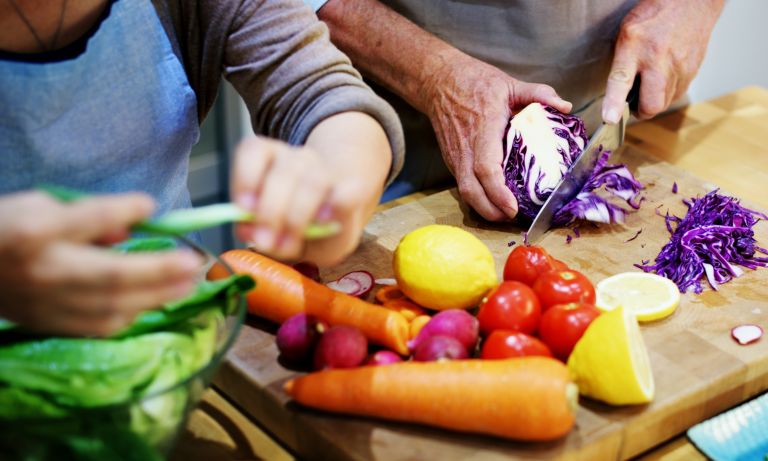
The foods you eat can have a major impact on your blood pressure, not to mention your heart and brain health. Rather than focusing on specific foods, though, it’s your pattern of eating that’s most important. Instead of processed food, packaged meals, and sugary snacks, a heart-healthy diet is built around “real,” natural food.
A number of different diet plans can help in controlling blood pressure, but they all feature a reduction in salt, alcohol, and refined carbohydrates, and an increase in fruit and vegetables.
The DASH diet (Dietary Approaches to Stop Hypertension) is a specially designed eating plan to help you lower your blood pressure. When combined with a reduction in salt, the DASH diet can even be more effective at lowering blood pressure than medication. See “Get more help” below for resources.
The Mediterranean diet emphasizes eating lots of fresh fruit and vegetables, nuts, fish, and olive oil—and only modest amounts of meat and cheese. Following a Mediterranean diet limits your intake of refined breads, processed foods, and red meat—all factors that can help lower your blood pressure and prevent heart disease and stroke.
Limit your alcohol consumption. Drinking as little as one or two alcoholic beverages can cause a temporarily spike in your blood pressure. But drinking excessively over time can greatly increase your risk of hypertension, stroke, and heart disease. Alcohol consumption can also interfere with some blood pressure medications.
Increase your potassium intake from food. Potassium can help your body get rid of excess sodium and relax blood vessels, thus helping to lower blood pressure. Bananas, oranges, broccoli, and spinach are all high in potassium.
The American Heart Association recommends no more than a teaspoon of salt a day for adults. That may sound alarmingly small, but there are many painless ways to reduce your sodium intake.
Reduce canned and processed foods. Much of the salt you eat comes from canned or processed foods like soups, convenience meals, and fast food.
Cook more meals at home. Preparing your own meals gives you more control over your sodium intake. Use fresh ingredients whenever possible and cook without salt.
Use spices as alternatives to salt. Try fresh herbs like basil, thyme, or chives, or dried spices such as allspice, bay leaves, or cumin to flavor your meal without sodium.
Substitute reduced sodium versions. Choose your condiments and packaged foods carefully, looking for foods labeled sodium free, low sodium, or unsalted.
.png)