x




It seems like everyone’s talking about antioxidants: You can find their benefits touted on skincare products, supplements and even fresh foods. There’s a reason why they’re such a popular topic — many antioxidants are good for you! However, the health benefits of antioxidants, especially for weight loss, have been widely studied and debated, with varying results.
So what exactly are antioxidants and what benefits do they provide? We tapped Registered Dietitian, Briana Rodriquez, to give us a little more background on the healthy substances.
Antioxidants are chemical substances that may help prevent or delay certain types of cell damage. They can be man-made, like a supplement, or appear naturally in food, including vegetables and fruit, or even coffee and tea. Common antioxidants include vitamin E, vitamin C and beta-carotene
Rodriquez explains, “Think of antioxidants as little cleaners, they go into the cells and remove waste products (free radicals).”

Free radicals are unstable and highly reactive molecules within the body’s cells, due to a missing electron. They’re formed by the body’s natural metabolic processes or from environmental sources, including pollution, cigarette smoking and even X-rays. They cause damage by attacking important molecules, including DNA and proteins, by donating or accepting their electrons.
According to Rodriquez, “free radicals attach, bind, and then ultimately damage normal cells in the body.” And while it’s normal for the body to have some free radicals, when free radicals overpower the body’s ability to regulate them, oxidative stress occurs.
To fight oxidative stress, some antioxidants donate their electrons to free radicals, helping to defend the body’s other cells Oxidative stress is believed to be one of the factors responsible for a host of health concerns including cancer, diabetes and cardiovascular disease, among others.
A common misconception about antioxidants, free radicals and oxidative stress is that antioxidants are “good,” while free radicals and oxidation are “bad.” These chemicals and the process of oxidation all naturally occur within your body. When they become unbalanced, these factors may negatively impact your health.
Your body is made of trillions of cells, which interact with the environment in many ways. The body regularly experiences oxidation, which is a natural chemical process. Oxidation is similar to the reaction that happens to a sliced apple: The areas exposed to air turn brown.
Some research suggests that antioxidants may be able to counteract or ease symptoms of diseases caused by oxidative stress; however, more research is needed to clearly understand the benefits of antioxidants when it comes to disease prevention.
Rodriquez adds, “There’s no one magical food that will cure all of your ailments, but a diet that is rich in vegetables and fruits (which contain antioxidants) is certainly going to help in several ways like regulating blood sugar levels, providing energy and potentially aiding in weight loss.”

A study in 2012 explored the weight loss effects of polyphenol-rich pomegranate juice and pomegranate molasses, a concentrated form of the juice, on mice.6 (Polyphenols are a type of antioxidant found in most diets.) The study found that the mice treated with pomegranate juice and molasses could resist weight gain and jumpstart fat loss. This study has only been done with animals, so more research is needed to better understand antioxidants’ effects on weight loss in humans. The bottom line: The jury is still out on whether or not antioxidants help with weight loss.
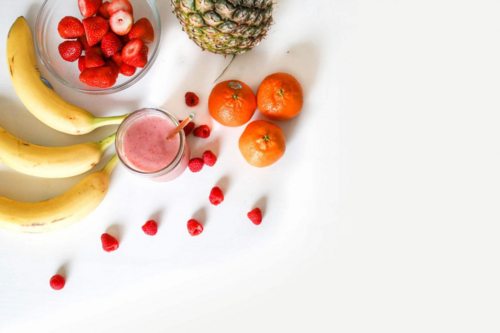
While you can take certain supplements to receive antioxidants, it’s very easy to incorporate antioxidant-rich foods into your meals. Rodriquez’s choice? Coffee and berries! Not only are they healthy, but they're good for you and loaded with beneficial antioxidants.
“Coffee — black coffee — has phytonutrients and polyphenols that are beneficial for the liver. Don’t go too crazy though, coffee still has caffeine, so it is still good to be aware of your intake. Berries would be my next favorite — blueberries, raspberries and strawberries. Have a serving each day!”

Blueberries are not only good sources of vitamin K, which may assist with blood flow, but they’re also known for their potential anti-inflammatory benefits.
New findings suggest green vegetables, like spinach, may help protect the eyes against high-energy blue and ultraviolet light, since they’re a rich source of lutein. For a flavorful twist on fruit salad, you can combine antioxidant-rich foods by creating a smoothie bowl with strawberries, pomegranate seeds, blueberries and pineapple. Or create a savory side of artichokes, tomatoes and garlic for an extra dose of polyphenols, which may help with inflammation.
When adding antioxidant-rich foods to your meals, it’s important to maintain a nutritional balance and to eat mindfully. You’ll want to include a variety of foods to receive optimal nutrients and antioxidants to help you get to your health goals! Rodriquez notes, “I would love to see people eating at least three servings of fruits and vegetables each day.”