
x
Black Bar Banner 1
x

Alert!  New Secured Wallets are installed! new Blog system with AI  power and auto blog curation coming soon  Alert! 

A+ A−
Ads by Markethive - View All
Blogs
The Blog Feed
Write a New Blog Post
Search Blog Status
Most Viewed
Most Recent
Most Shared
Alphabetical
Blog Main Menu
Markethive Blog (default)
All Blogs
My Blog Posts
Friends' Blogs
Blog Categories
All
Advertising
Blockchain & Cryptocurrency
Business Development
Diet & Weight Loss
Environmental
Health and Wellness
History and Culture
Home and Garden
Marketing
Mentoring & Training
Money & Finance
Other
Political
Prayer & Religion
Programming & Technical
Real Estate
Search Engine Optimization
Social Media
Spirituality
Sports & Recreation
Transport
Travel & Events
Website Design
Blogging Tools & Assets
My Blog Info
Members Subscribed to You
Blogs You Are Subscribed To
Website Widget
Wordpress Plugin
Subscribe for Greater Services
Subscribe to one of many subscriptions, each one includes the previous ones.. Unlock powerful tools, advance features, to build a powerful reach.

Feeding Your Gut Microbiome

Posted by Bobby Brown on April 28, 2021 - 6:18pm


Feeding Your Gut Microbiome

We all want to eat as healthy as we can, but how do you know if you’re eating well for your gut health? Whenever you eat, you're providing food to trillions of bacteria, yeast, and fungi that live in your gut. For example, you probably know oranges are good for your daily dose of vitamin C. Did you know that oranges have a fabulous prebiotic fiber that helps support your beneficial Faecalibacterium species that help protect you from ulcerative colitis?

To be fair, it’s difficult to know what food is really healthy for you when there are so many trendy diets and changing attitudes on food types. One thing we can all agree on, though, is that the less processed the food, the better, and that more veggies are generally the way to go. That remains true for the gut microbiome as well.

How Fast Your Diet Affects Your Gut

In 2011, a study was done in France on the impact of diet on microbiome diversity. 49 overweight and obese individuals were given a high-protein, high-fiber, low-calorie diet for 6-weeks and their microbiomes were analyzed.

The individuals who had higher microbiome diversity (healthier microbiomes) to begin with, were those who ate more vegetables and fruits and fish than the study participants who had less diverse microbiomes. They also had more low-grade inflammation than their counterparts who had healthier microbiomes.

The good news is that all of the participants had a significant increase in microbiome diversity after the 6-week low calorie, high-protein, high-fiber diet. This led the scientists leading the study, to conclude that you can shift your microbiome in a healthy direction within weeks, essentially helping to restore a healthy ecosystem within the gut. You can’t change your own genetics but you can change your gut microbiome by making some important changes in your diet today.

Gut-Friendly Foods

So if you’re wondering which types of foods fall into the category of healthy for your gut, here’s a handy list to take to the grocery store:

  1.  Cruciferous Vegetables - perfect prebiotic food for Faecalibacterium
    • Broccoli
    • Cauliflower
    • Arugula
    • Brussels sprouts
    • Chinese cabbage
    • Kale
  1. Unsaturated Fats - favorite prebiotic food for beneficial Bacteroides species that promote efficient digestion
    • Olive oil
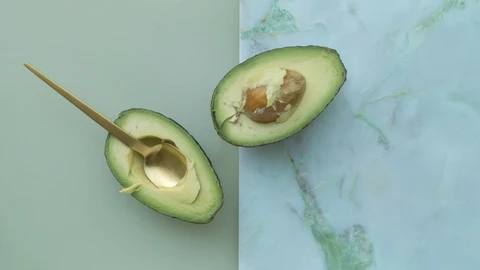
    • Avocados
    • Nuts such as walnuts, almonds, hazelnuts, pecans
    • Pumpkin seeds, sesame seeds, pine nuts
    • Fish like salmon, tuna, halibut
    • Flaxseeds
    • Chia seeds
  1. Inulin - superfood for probiotic Bifidobacterium species that help support your immune system
    • Asparagus
    • Bananas, this includes green bananas or plantains
    • Onions
    • Garlic
    • Beets
    • Leeks
    • Artichokes
  1. FOS or Oligofructose – primary food of Akkermansia muciniphila, a probiotic that helps protect against leaky gut.
    • Blue agave nectar
    • Jicama
    • Chicory root 
  1. Seaweed – a tasty treat for Lactobacillus species, probiotic species that keep bad bacterial populations in check and support your immune system as well as help digest dairy products.
    • Seaweed found in sushi
    • Dried seaweed snacks
    • Seaweed in miso soups

You can start by incorporating just one or two of these new superfoods into your diet and that will definitely help the resident beneficial bacteria work their hardest for you. If you already have these in your diet, that’s fabulous. Even small changes in your diet can shift your microbiome in a positive direction in as little time as a month and a half so get munching!

tatana Tatiana Yarushina Thanks for sharing Bobby
April 30, 2021 at 1:04am
Simon Keighley Thanks for shaing the health benefits of feeding your gut microbiome, Bobby - the are many advantages to eating a low calorie, high-protein, high-fiber diet.
April 29, 2021 at 8:33am
James Eckburg Thanks Bobby for this info
April 28, 2021 at 7:35pm