x




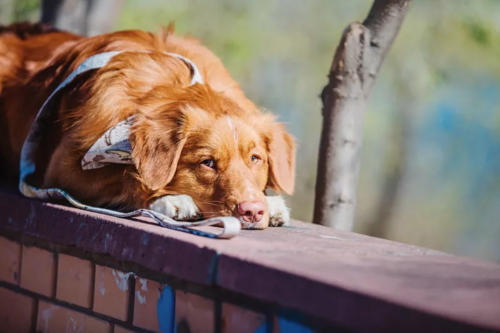

Gastroenteritis in dogs can either come as diarrhea alone or diarrhea accompanied by vomiting."
It can be caused by a lot of reasons and it can also be one of the most terrible illnesses your fur-baby can acquire as it often causes diarrhea and yes, messy cleanups!
So how long does it last? How can you prevent and treat it?
Gastroenteritis comes in many kinds. Gastroenteritis in dogs can either come as diarrhea alone or diarrhea accompanied by vomiting. With this being said, it can be hemorrhagic - diarrhea or diarrhea & vomiting with blood.
It is also being further categorized as chronic or acute. Chronic gastroenteritis is a long-term condition and happens over the span of weeks to months and even years! While Acute gastroenteritis happens very suddenly, lasts for a very short time, and also goes away on its own. But still, you need to have it treated before it worsens!
Gastroenteritis in dogs is an illness that has a lot of possible causes. This is because your fur-baby's gastrointestinal tract (or gut) is the foundation of his health. It contains a lot of good and living microorganisms known as microbiome that blocks foreign bodies, bacteria, and all those bad stuff from getting into your dog's bloodstream.
If the gut and the microbiome in it is altered or changed significantly, that's when gastroenteritis happens. The following are what can possibly cause those alterations:
It can be extremely hard to know what the exact causes are but it doesn't mean your fur-baby can't get treatment. Head up because as a matter of fact, gastroenteritis is curable and most treatments given are successful.
Commonly, this usually begins with a soft poop that aggressively turns more watery as it progresses. Sooner enough, diarrhea sets in and you may be able to notice some mucus in your dog's poop and he may even create accidents around the house. Here are other common signs you can watch out for:
The vet knows best. If you notice the above mentioned symptoms in your dog, then what are you waiting for? Consult your veterinarian immediately. Enough on the guessing games that maybe your dog is just having a bad tummy ache and that it will eventually go away on its own because maybe it won't. Your vet will perform exams and tests on your dog to determine and confirm whether it is gastroenteritis or not. And what's even better is that he'll also prescribe you treatment and management plans that are well-suited according to your dog's age, lifestyle, health history, etc.
Your vet will also advise you if these things below are good for your dog:
Give a bland diet for a few days. As pet parents, we always want to go all out whenever our dogs are sick. We want to give them our best care and of course, the best food to make them feel a whole lot better. But for dogs with gastroenteritis, this isn't the case. Giving your dog a heavy meal that's full of flavors will upset his stomach even more. Give him a bland and light diet for a few days (can be rice and any protein source), given in small amounts in a scheduled time every day.
Enhance hydration. Diarrhea and vomiting can easily dehydrate your fur-baby. Keeping your dog hydrated all the time is a must when overcoming gastroenteritis in dogs. You should be able to provide a bowl of freshwater that's easily accessible by your dog. You can also level it up by providing electrolyte drinks or electrolyte supplements to improve hydration and replace what the body has lost. Note: Your vet may suggest giving him intravenous fluids.
Keep the gut healthy through probiotics. Introducing probiotics into your dog's meals will help build good bacteria in the gut.