x




Without fail, every year, the cold and flu season comes to pay a visit. Despite what you try to do to avoid it, inevitably, someone in your family will catch a cold and most likely spread it around to the healthy members of the family. When you have young children, it is especially important to try to get the germs out of the house as soon as you can.
To truly get the flu germs out of your house, you’re going to have to do some serious cleaning to prevent it from spreading and making everyone sick. The problem is – where and when do you start cleaning? There are definitely certain areas that should be the priority and even some items too. Get ready to learn how to go about cleaning up the flu.
You can take a sigh of relief if you are a mom, dad, or partner of someone with the flu. You aren’t going to need to clean the entire house necessarily. Mary Gagliardi, better known as Dr. Laundry from The Clorox Company, says, “Most people who have the flu tend to lay low, so you can skip cleaning your home from top to bottom.”
What should we be focusing on then? She says that to her, she would prioritize the bathroom and the kitchen. Mary also means that any shared surfaces in the bedroom should also be cleaned. You’ll need to try and clean the space where the sick family member has spent their time and sometimes even retrace their steps as you clean.

The deeper the clean, the less likely you are to get sick. Image via Shutterstock
The sickling may have visited the kitchen to make themselves some soup, so you’ll need to think of this and clean everything like the countertops, handles of appliances, and even the taps that they may have used during this time. But, trying to clean every surface would be exhausting – which are the ones that vitally need to be disinfected?

Image via Shutterstock
They’ll be the distinct commonly touched hard surfaces. These include items such as door handles and also the TV remotes. These can become an excellent place for germs to breed. You should obviously make sure these areas are cleaned regardless of if someone is sick or not but especially clean them when there is any bout of sickness in your home.

It’s the most handled object in the house. Image via Shutterstock
Did you know that the flu virus can live on these kinds of surfaces for up to 48 hours? A microbiologist at Lysol, Joe Rubino, says “Disinfecting frequently-touched, non-porous surfaces and items around the home like tabletops, remote controls, light switches, and doorknobs should become part of a daily routine during cold and flu season to help prevent the spread of illness.”

Image via Shutterstock
So that’s the cleaning during an illness – but what happens after? It is possibly just as important to prevent it from spreading again! People with the flu will generally spend a lot of their recovery time in bed. In turn, this area is the first place that needs to be disinfected after the illness has passed.

Keeping your bed linens clean will also reduce the chances of getting sick. Image via Shutterstock
You’ll need to make sure you disinfect all of the bedding: sheets, pillowcases, and blankets. You should also clean any items that were used in the bedroom by the sick person such as electronic devices or the bedroom cupboard handles. If you’re cleaning up the sickness, how do you stay free of the flu?

Image via Shutterstock
The CDC recommends that you wash your hands frequently with soap and warm water. You can also use an alcohol-based hand rub to prevent the spreading of germs while you clean. Now you know what to clean, but when should you start cleaning after being sick? For hard surfaces, clean all the ones that your family members touch often. This activity is one you can’t delay!

It can be difficult figuring which products to use after the flu. Image via Freepik
Mary Gagliardi says, “Start disinfecting those high-touch surfaces as soon as you know, a family member or roommate has the flu – don’t wait for a regular cleaning day!”. You can, however, wait to wash sheets and bedding until the person with the flu is on their way to recovery.

Cleaning products. Image via Freepik
Are there any specific cleaning products that you should be using to help disinfect your home? Definitely! By selecting the correct products for this type of clean up, you’ll effectively be eliminating any germs who want to hang around longer than they should. Flu can spread quickly and easily, so you need EPA-registered disinfectants to target them specifically.

The bathroom is where the majority of snotty tissues are going to be located. Shutterstock
How do you target the bathroom? Sterilizing it with bleach should be an excellent way to ensure that no germs are left in this part of the house. Gagliardi says that you can mix half a cup of bleach with one gallon of water in order to wipe down any bleach-safe spots such as toilet surfaces, sinks, counters, and the taps that they may have used.

Laundry sanitizer. Image via Reviewed
What about the disinfection process for clothing and bedding? You’ll need to wash them with a laundry sanitizer. This will help to kill the bacteria that may be lingering in the fabric. Regular detergents could leave these germs behind, and you’ll be stuck with the flu in your home all over again after washing and cleaning.

Disinfectant wipes can be very handy at keeping your home bacteria-free. Image via Shutterstock
A fast and easy way to disinfect other small areas of the home are disinfecting wipes. You can use them for areas such as light switches, doorknobs, and various handles around the house. They’re also not a bad idea to have them around the house even when no one is sick – they make cleaning easy with just a quick swipe of the cloth.

Disinfectant wipes. Image via Freepik
Mary says, “Make sure surfaces stay wet after wiping for 15 seconds to kill influenza germs – that’s all it takes!” Cleaning up after an illness is a really horrible job, but someone has to do it. These cleaning steps will help keep your home healthy and happy thanks to proper disinfecting tricks.

Always wear gloves to protect your hands from the harsh chemicals. Image via Shutterstock
Talking about disinfecting wipes… They will definitely become one of your go-to cleaning products. But, did you know that there is a way to use them incorrectly? It all depends on what the purpose of the wipes for you are. Are you trying to sanitize or disinfect a surface? You’re probably quite confused about what the difference is.

Image via Shutterstock
Evan Rumberger, an R&D associate research fellow from Clorox, says, “Sanitizing a surface kills germs to an extent recognized as safe by public health standards or requirements. Disinfection takes this to an even higher level of extent of germ kill and variety.”

Let surfaces air-dry; refrain from wiping them down and spreading more germs. Image via Shutterstock
So, how do you go about correctly disinfecting a countertop? The surface will need to be visibly wet for a total of four minutes. You’ll notice that you use a lot more wipes that you’re used to when doing this proper disinfection of your counter space. How would you just sanitize your countertop then?

Image via Shutterstock
You would only need the surfaces to be wet for a total of ten seconds. It’s also important to know that you should let the counters air dry rather than wiping them. This action could create a spread of germs again, which is something that you’re clearly trying to avoid in the first place. You will, however, find all the info on the labels of cleaning products.

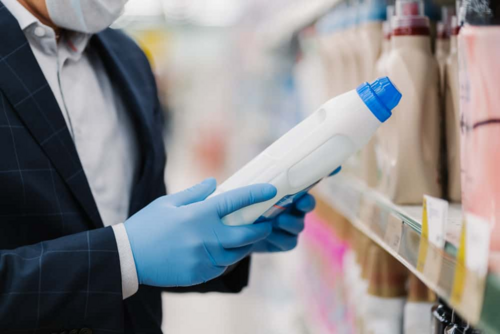
It pays to know what you’re using so that you know if it’s effective or not. Shutterstock
Talking about labels, you must always read the instructions very carefully on any cleaning products you purchase – the labels are there for a reason. Did you know that disinfecting wipes are actually suitable for most surfaces? The intent is that the product is bleach-free! Are there any surfaces you shouldn’t use them on?

Keep these away from porous or unfinished surfaces. You also need to ensure that you store your disinfecting wipes correctly. Keep them out of direct sunlight, and you’ll still be able to use them for the next year. This one is an excellent product that, when used correctly, can add to the overall health of your home.