x



Everyday, more than 2,000 Americans suffer strokes – what some medical folks call a brain attack.
During an ischemic stroke – the most common kind — the blood supply to a part of the brain is cut off. This destroys brain cells because it deprives them of oxygen.
So at a quick glance, a stroke seems like a mechanical problem – restore the blood flow and you resolve the difficulty. The truth is something different. What happens in the body after a stroke is fairly complicated. Research indicates that the situation in other parts of the body can make a huge difference in the consequences of a stroke.
In fact, a study now indicates that the bacteria living in your colon can make the difference between suffering a devastating stroke and one that is less severe and easier to recover from.
Lab tests at the Weill Cornell Medical College show that the probiotic microbes that line your digestive tract influence how the immune system reacts to a stroke. The interactions in your intestines between bacteria and immune cells can help ease the after-effects of having blood flow cut off to the brain’s neurons.
The Cornell researchers, in experiments on lab animals, found that they could alter ischemic stroke damage by altering the population of intestinal bacteria. In strokes of this kind, a clot in a blood vessel blocks the brain’s blood supply.
The scientists demonstrated that the severity of the stroke could be eased as much as 60 percent by changing the bacteria in the gut. In some way, certain types of bacteria in the digestive tract can instruct the immune cells to guard the brain’s neurons more effectively after the stroke and construct defenses against the most serious ramifactions of the stroke.
“Our experiment shows a new relationship between the brain and the intestine,” says researcher Josef Anrather, who teaches neuroscience at Cornell. “The intestinal microbiota shape stroke outcome, which will impact how the medical community views stroke and defines stroke risk.”
The study showed that while the intestinal bacteria did not directly intervene with the brain’s neurons, the immune cells with which they interacted traveled to the outer lining of the brain – an area called the meninges – and, once there, those cells coordinated and arranged the immune response to the after-effects of the stroke.
“One of the most surprising findings was that the immune system made strokes smaller by orchestrating the response from outside the brain, like a conductor who doesn’t play an instrument himself but instructs the others, which ultimately creates music,” notes researcher Costantino Iadecola, director of the Feil Family Brain and Mind Research Institute at Weill Cornell Medicine.
According to the researchers, their study demonstrates that the foods you eat are crucial for lowering your stroke risks.
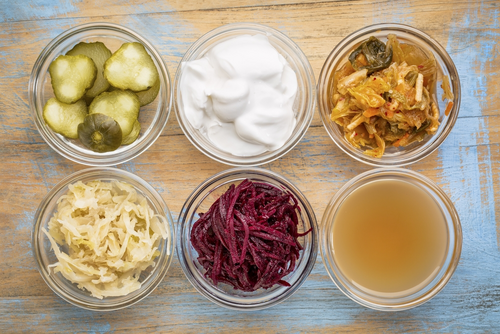
To improve the probiotic bacteria in your digestive tract and potentially help defend your brain: