x






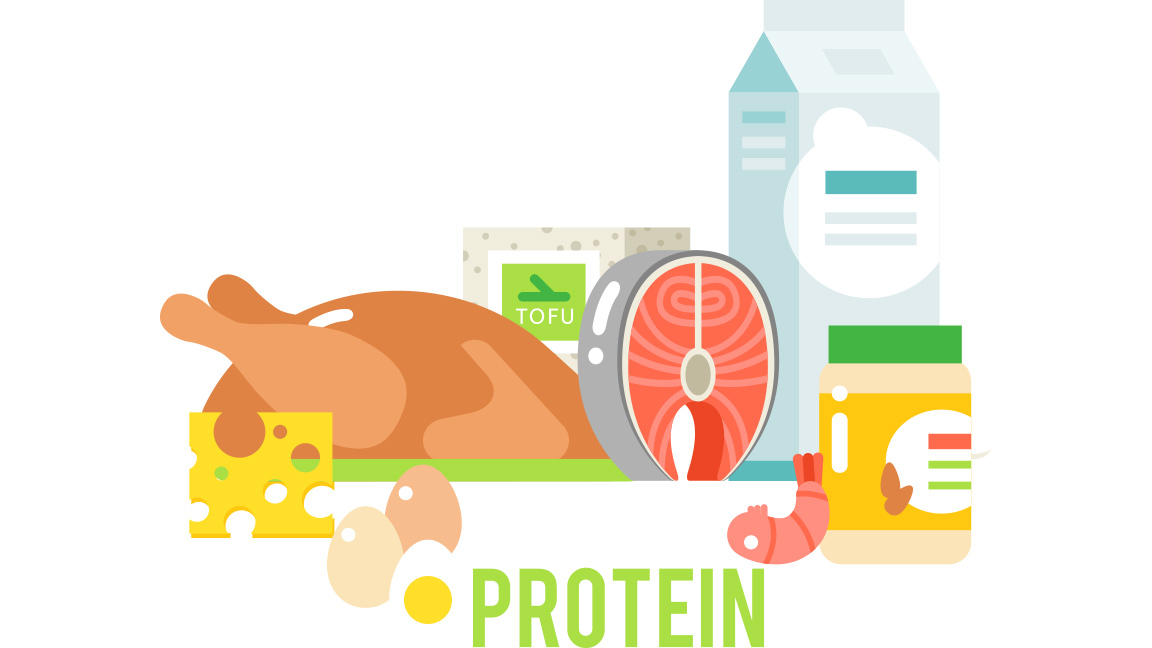
Think every meal should include protein? Actually, most of us are getting far more protein than we actually need — especially when it comes to meat — thanks to a variety of cultural factors.
Many Americans continue to be influenced by struggles of the Great Depression, when protein — especially meat — was unaffordable by many families. And in parts of the world where poverty levels are still high, the ability to enjoy meat with a meal is considered a symbol of affluence.
Even as prices for meat have fallen, it continues to be associated with wealth or affluence, leading many families to make it part of every meal, said Judith Wylie-Rosett, a nutritionist and registered dietitian at the Albert Einstein College of Medicine of Yeshiva University in the Bronx, N.Y.
“People think they won’t feel full if they don’t eat meat,” Dr. Wylie-Rosett said.
The main problem is that often the extra protein is coming from meats high in saturated fats, which can add to elevated cholesterol levels of the LDL — or “bad” — cholesterol. And, Dr. Wylie-Rosett says, eating more protein is coming at the expense of other food groups that most Americans struggle to get enough of. “If people would just eat the recommended servings of fruits and vegetables, we’d be full on low-calorie foods,” she said.
The actual recommended daily allowance (RDA) is a complex calculation that takes into account your age and weight. Based on weight, growing children and pregnant or lactating women require a little bit more protein than a typical adult man or woman because their bodies are building more muscle.
Generally, the Centers for Disease Control and Prevention recommends 10 percent to 35 percent of your daily calories come from protein. So, that’s about 46 grams of protein for adult women and 56 grams for adult men.
Drink an 8-ounce glass of milk, and you’ll log 8 grams of protein. Add a cup of yogurt for another 11 grams. Follow that up with a 3-ounce piece of meat — which is about the size of a deck of cards and has about 21 grams of protein — and a cup of dry beans, which has 16 grams and you’ve already reached the 56-gram requirement for an adult man.
The American Heart Association has a guide outlining suggested servings for each food group.
.png)