x




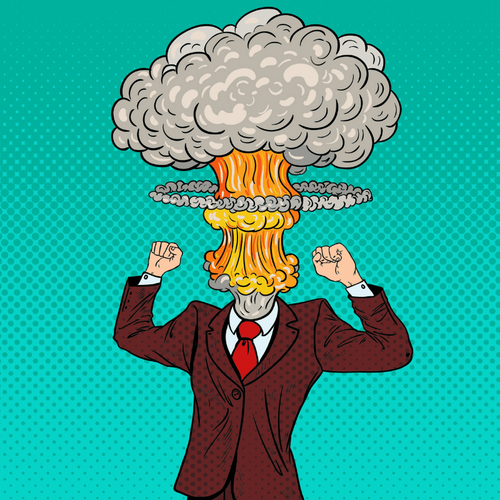
Slowing your breath is the quickest way to calm your brain and body. It’s kind of like your remote control. You don’t have to think about breathing. It’s subconscious. However, at any moment, you can consciously change how you are breathing which simultaneously alters your emotions and nervous system function.
Research has determined that slow breathing directly calms your brain through what’s known as the “breathing pacemaker.” The breathing pacemaker is a group of neurons at the base of the brain stem which directly connects to the arousal center in the brain. These neurons can either tell the brain there’s an emergency or tell it that everything’s OK. When you intentionally slow your breathing down, these neurons don’t send the panic signal.
Controlled breathing is also known as diaphragmatic breathing, deep breathing, pranayama breathing, or relaxing breathing. Whatever you call it, taking long, deep breaths slows your heart rate and activates your calming parasympathetic nervous system. You can practice slow breathing anytime and anywhere. The basic mechanics of controlled breathing vary slightly with each philosophy, but most teachings include three basic parts: