x




These 10 diverse super foods have one amazing thing in common: they all contain brain-protective nutrients that can impact how you think and feel, and prevent some of the negative brain changes associated with aging. To boost your brain power, start adding these foods into your diet—in moderation, of course.
Blueberries
In adults, the hippocampus (the part of the brain that’s a center for memories, emotions and spatial orientation) loses about 1% of its volume each year. Research has shown that eating blueberries, which contain brain-preserving phytochemicals, can prevent and possibly even reverse the shrinkage that’s associated with the onset of dementia and Alzheimer’s disease.
Green leafy vegetables
Green leafy vegetables, like spinach, kale, escarole, collards, and arugula, are the most important of all veggies to protect the brain from cognitive decline. A study showed that eating leafy greens delayed cognitive aging by 11 years. Try to consume one cup raw or a half cup cooked greens each day. Many of the brain-boosting phytonutrients in leafy greens are fat soluble and are best absorbed when served with healthy fats like olive oil and avocados.
Salmon
Inflammation is bad for your brain, and the omega-3 fatty acids in salmon are well-known for their anti-inflammatory properties. Recent studies have even suggested that omega-3 fatty acids might help with depression, ADHD, and dementia and Alzheimer’s disease. If you can afford it, wild salmon has even more of these nutrients than farmed salmon. For a delicious way to prepare it, here's a recipe for salmon with cilantro pesto.
Beans
Beans are high in folate and B-vitamins, and research suggests these nutrients help prevent or slow brain shrinkage. Eat any bean you like—they’re all great for you. Chick peas, northern white beans, and black beans are great in salads and provide a healthy base for dips like hummus. Pureed cannellini beans also make a great base for a sauce. What’s more, the high soluble fiber in beans feeds the good bacteria in your gut that in turn lowers inflammation throughout your body.
Dark chocolate
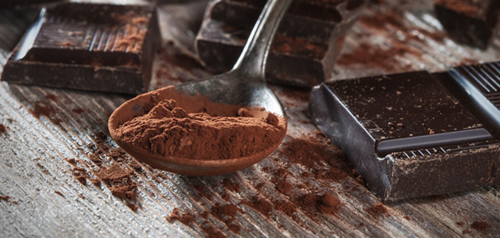
As you eat dark chocolate, the helpful nutrients (flavonoids) immediately begin to improve blood flow to your brain. These nutrients can boost your working memory and problem-solving skills. They also increase the amount of nitric oxide that is produced by the cells that line the inside of all blood vessels. This nitric oxide has an anti-inflammatory effect. It’s best to cook with unsweetened dark chocolate powder because it’s packed with helpful flavonoids and has no sugar.
Coffee and tea
Both coffee and tea can decrease the calcification of blood vessels. Tea is even better, since it has less caffeine than coffee. Tea also contains a phytochemical called theanine, which has both a calming and stimulating effect, and that also increases dopamine, a feel-good brain chemical.
Turmeric
Bright yellow turmeric is a spice commonly found in Indian curries and mustard, but you can easily add it to any number of dishes. You can sprinkle it into anything you cook, as the flavor is mild, and it blends well with almost all soups and sauces.
Turmeric helps remove a specific plaque in the brain that contributes to Alzheimer’s disease. But, eat the real spice and avoid the supplements. Only the spice itself has the antioxidant properties that are most effective in boosting brain health.
Tomatoes
Cooked tomatoes contain high amounts of lycopene, an antioxidant found in many red, orange, and yellow fruits and vegetables. Lycopene reduces oxidative stress, which is damaging to your brain. Tomato sauce and sofrito, two popular Italian and Latin-American foods, are great ways to load up on lycopene.
Pistachios
Pistachios are very high in vitamin E, which has well-documented brain-protective qualities. The natural oil in pistachios also can prevent brain inflammation, and some studies even suggests it can reduce frontal lobe shrinkage in those who’ve experience certain brain injuries. Keep your portion size to a small handful.
.png)